WGH Board Approves Carmi Expansion

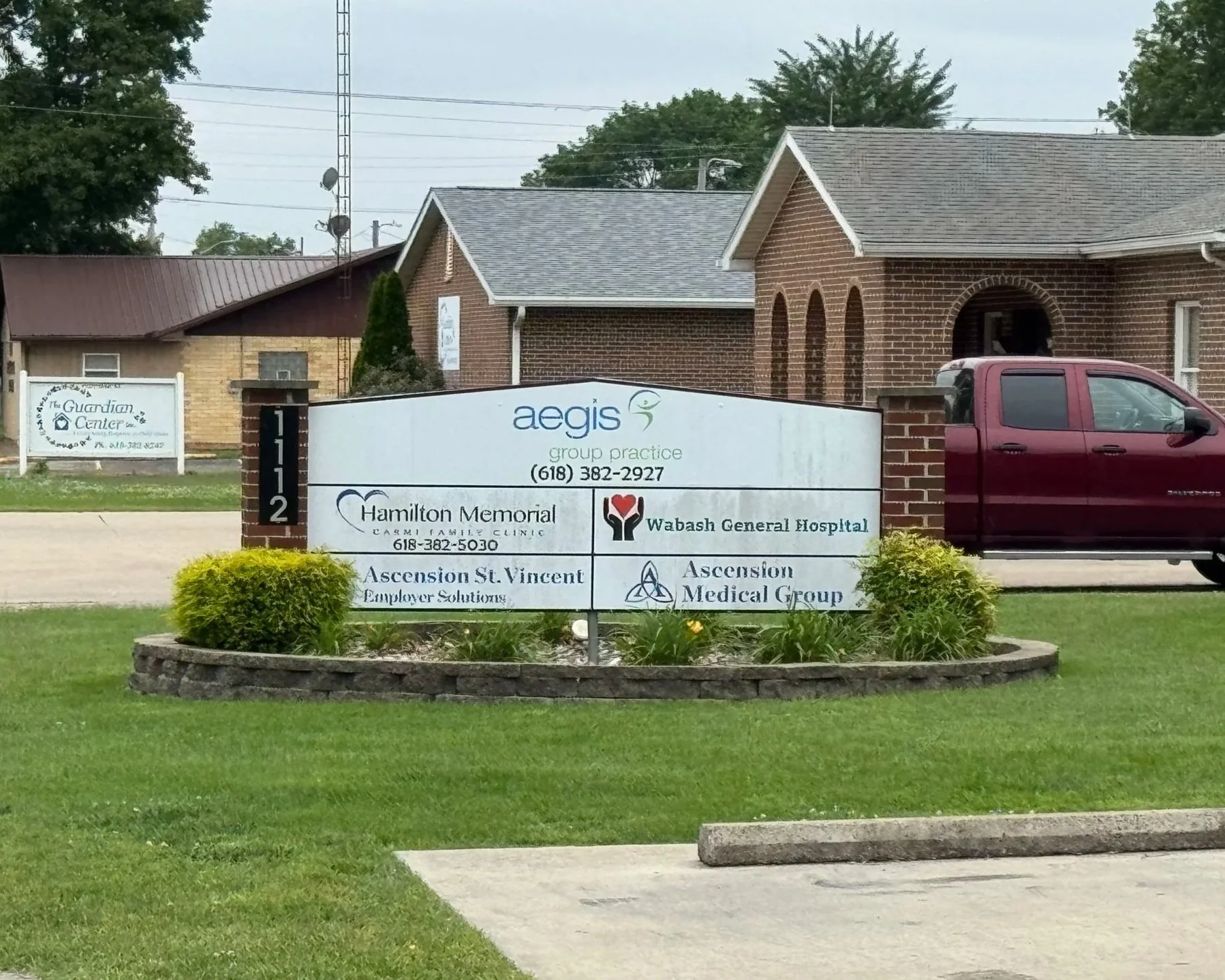
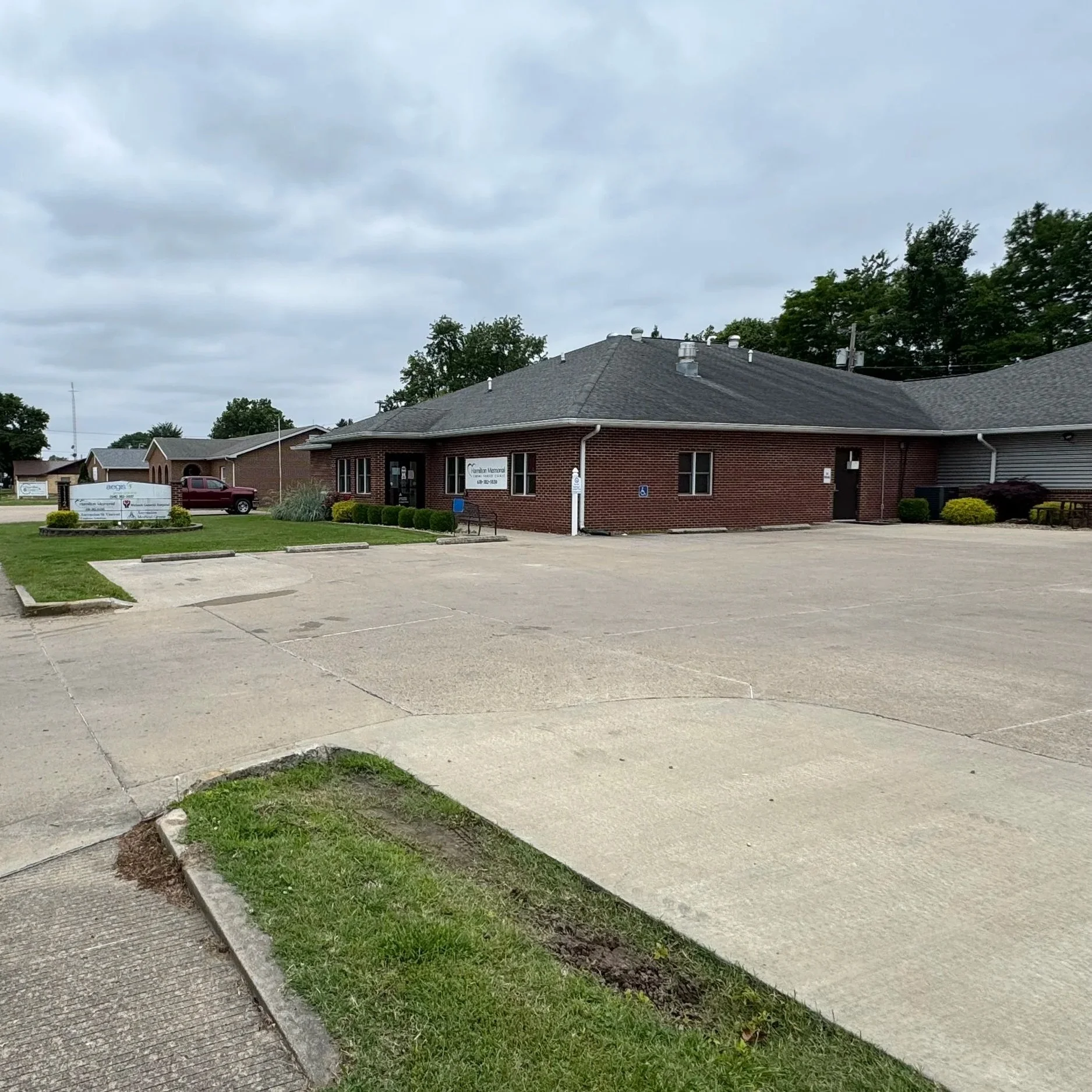
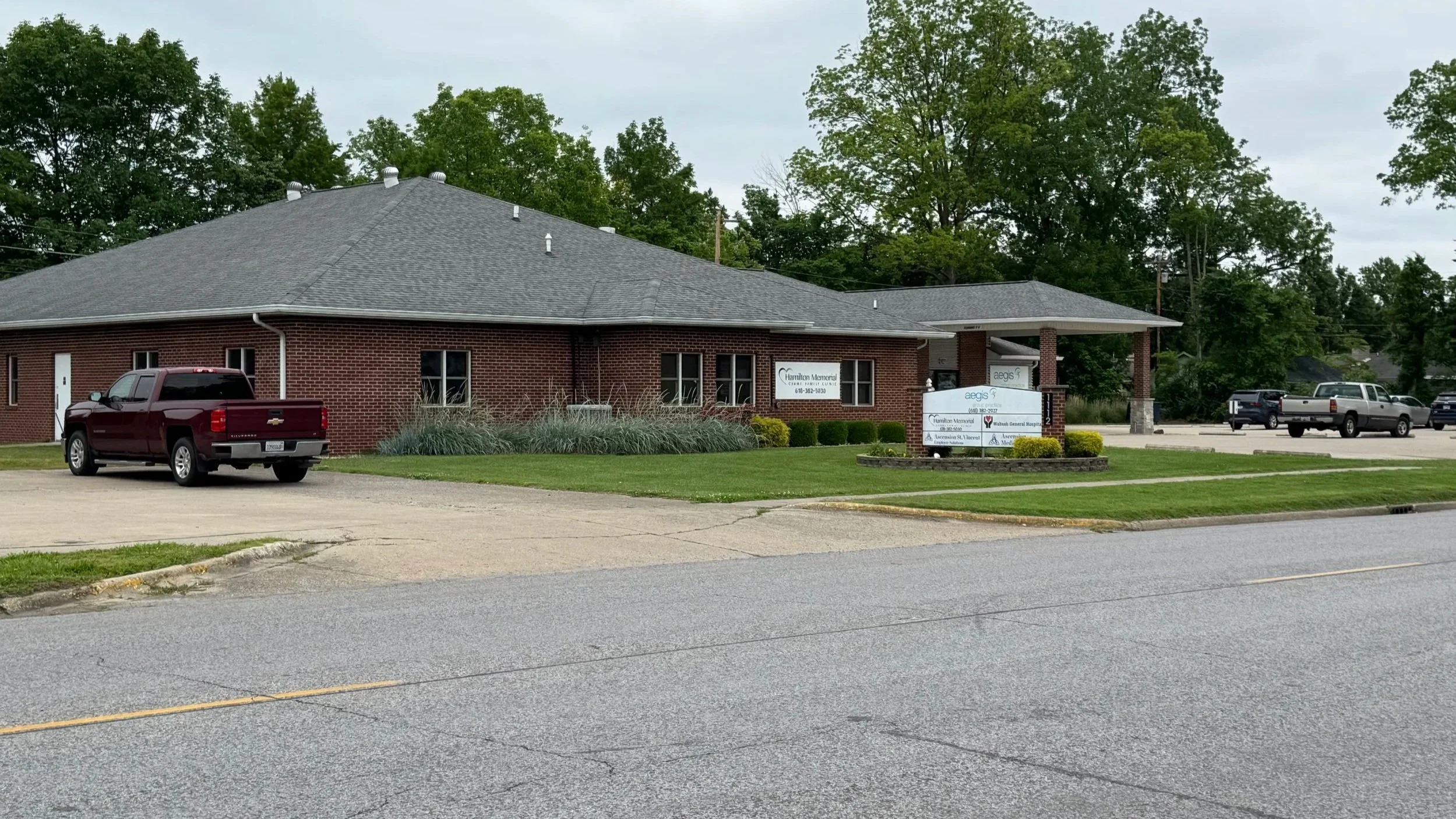
The Wabash General Hospital Board of Directors has approved plans to significantly expand services at the hospital’s Carmi outreach clinic.

During Monday’s board meeting, Vice President of Professional Services Andrew Kleinschmidt outlined a proposal to expand the hospital’s current lease agreement in Carmi from one day per week to full-time occupancy of the building.

Kleinschmidt says the expanded location would allow Wabash General Hospital to increase orthopedic coverage, explore adding urgent care services, upgrade radiology equipment, and potentially establish a rural health clinic offering additional lab and rehab therapy services.

Under the proposal, partial occupancy would begin July 1st, with full occupancy starting October 1st. The lease term would run 63 months. Initial rent for the partial space would be just over 48-hundred dollars per month before increasing to about 15-thousand-600 dollars monthly once the full building is occupied.

Hospital officials estimate startup and equipment investments at approximately 380-thousand dollars, including a radiology expansion, upgraded IT infrastructure, and rehab equipment. Kleinschmidt requested board approval for expenditures not to exceed 400-thousand dollars.

Kleinschmidt said the hospital currently handles around 700 patient accounts annually from the one-day-per-week clinic operation and believes those numbers could quickly double or even exceed that amount with expanded services. He also noted patient revenue from White County increased 47 percent between 2024 and 2025, while the area’s insurance payer mix has improved significantly.

The Carmi clinic has operated since 2016 and is located along Oak Street near Huck’s in Carmi.

When the school year ends, their paychecks do too. Lawmakers could change that

Illinois bills would give school support workers access to summer unemployment benefits

By MOLLY A. WALLACE
Medill Illinois News Bureau
news@capitolnewsillinois.com

Article Summary

  • The Illinois General Assembly is considering extending unemployment benefits to public school support staff during the 10 to 11 weeks of summer break.

  • While the measures have stalled, the bill’s House sponsor says he’s looking at including it in broader end-of-session legislation.  

  • The bills are similar to a COVID-era provision that expired in 2021.

  • The Illinois Department of Employment Security estimates costs between $138 million and $176 million annually.

  • The Illinois Association of School Boards opposes the measure without a state funding mechanism, while labor unions argue the benefits are a matter of basic equity. 

This summary was written by the reporters and editors who worked on this story.

CHICAGO — This time every year, Sandra Taylor finds herself in a predicament that is not unusual for people in her profession. Like most other school support staff, her paychecks stop once summer break begins. To prepare, she and her coworkers rely on food pantries and grocery sales to stock up on household essentials. 

“Bills do not stop because we're not working, you know? So we’ve got to find a way,” said Taylor, 57, a food service worker at Galesburg High School in Knox County, who said she has worked for the district for 20 years. 

The Illinois General Assembly is considering helping educational support staff workers like Taylor whose incomes dry up each summer by allowing them to collect unemployment benefits between academic terms beginning on June 1. 

The measures creating the Unemployment Equity Act – House Bill 4416 and Senate Bill 3286 – stalled in committee, but the bill’s union backers and its House sponsor say it could still advance in the final two weeks of the legislative session.

“The discussion we’re having now is how expensive it is,” House sponsor Rep. Marcus Evans, D-Chicago, said. “Is it a Maserati or a Camry? I think it’s a Camry.” 

Evans said that, although HB 4416 has stalled, he plans to incorporate its language into an omnibus bill at the end of the session. Legislators commonly package multiple spending measures that are unlikely to pass on their own into a single bill they hope will pass because it contains other measures legislators support.

But the measure is hotly contested by school districts, who say the state should foot the bill rather than putting the onus on districts.  

In a fiscal note added to HB 4416, the Illinois Department of Employment Security pulled data from when the law was changed in 2020 during the COVID-19 pandemic to estimate that it would cost between $138 million and $176 million annually, with an additional $3.6 million for implementation. Public schools, colleges, universities and not-for-profit academic institutions would bear approximately 93% of this cost, according to IDES.

What the legislation does

Employees with a “reasonable assurance” of returning to employment are typically excluded from collecting unemployment benefits. The bills would keep the language of reasonable assurance but exempt educational support staff from the requirement. 

“Currently, non-instructional educational staff do not have access to unemployment benefits during the summer and other school breaks, leaving them without the ability to pay their bills at a time when the cost of living is on the rise,” said Sen. Ram Villavalam, D-Chicago, who is sponsoring the Senate bill. 

The bills give paraprofessionals, bus drivers, secretaries, cooks and cafeteria workers, health care aides, safety and security staff, and other noninstructional public school employees a maximum of 47% of their weekly earnings for the 10 to 11 weeks school is not in session. 

Supporters include union groups like the AFL-CIO, AFSCME Council 31, Illinois Education Association, Illinois Federation of Teachers, Chicago Teachers Union 1 and SEIU Local 73.

“It’s a matter of fairness,” said Alyssa Goodstein, communications director for the AFL-CIO. “Workers doing the exact same job in the private sector are eligible for benefits that the same worker in a public job is not.”

A study by the Illinois Association of Regional Superintendents for Schools found 2,755 paraprofessional vacancies for the 2023–2024 school year. The AFL-CIO said providing unemployment benefits to teachers assistants and aides will help provide stability to school districts that struggle to fill these positions.

Megan Accardo, 39, a paraprofessional in Grayslake, said she has seen many of her coworkers move to the private sector, where they receive higher pay and qualify for summer benefits.

“It pains me to see people come up to me at the end of the year and be like, ‘I love my job, but I gotta go. I can't afford to stay here,’” she said. "I could leave and go do the same exact thing I'm doing in the private sector and get unemployment in the summer. We are losing people all the time."

Cost and opposition

Illinois extended unemployment benefits to school support staff in 2020, with costs substantially offset by federal pandemic relief programs, which expired in September 2021.

Other states have considered similar legislation, but only Oregon and Minnesota have permanently extended unemployment benefits to school support staff. In 2023, the Minnesota Department of Education estimated that the actual cost of benefits given out constituted about one-third of the funding allocated by the state for school districts. 

Using data from implementation of the Minnesota unemployment benefits, the Economic Policy Institute estimated that a similar bill would cost Illinois school districts $56.3 million. This figure omits implementation costs and unemployment take-up by colleges and university employees, although these figures are likely to represent a relatively small percentage of the total compared to school districts.

However, a 2025 news release by the Minnesota School Boards Association pointed to a 25% increase in unemployment claims the year after the Minnesota Department of Education’s initial survey estimating costs. The news release also attributes an increase in late-summer resignations by paraprofessionals on the extension of unemployment benefits.

“This would become a permanent cost for school districts. That’s different than in Minnesota because they allocated funding for it,” said Sarah Miller, associate executive director of government relations at the Illinois Association of School Boards. “We’ve conveyed that there needs to be state funding.”

In the meantime, workers like Accardo and Taylor prepare for another summer without pay. 

Accardo said her kids have never been on a real vacation, and she dreads telling them they probably will not be able to go on a trip this year either.

Taylor has already started budgeting, having learned with experience that she will not have much success trying to get a job over the summer since she said most employers want workers who can commit for more than a few months. She has resorted to taking out personal loans in the past instead.

Taylor said she cannot imagine a summer free of the anxieties caused by having no income.

“It would be so wonderful to not have to stress or anything. After 20 years, I would probably break down and cry,” she said. “Most people don’t understand. For all of my coworkers, that would mean so much. Most of them would probably just start crying.”

Molly A. Wallace is a graduate student in journalism with Northwestern University’s Medill School of Journalism, Media and Integrated Marketing Communications, and is a fellow in its Medill Illinois News Bureau working in partnership with Capitol News Illinois.

Capitol News Illinois is a nonprofit, nonpartisan news service that distributes state government coverage to hundreds of news outlets statewide. It is funded primarily by the Illinois Press Foundation and the Robert R. McCormick Foundation.
Rep. Marcus Evans, D-Chicago, on the House floor in May 2025. (Capitol News Illinois photo by Jerry Nowicki)

INDOT to hold public open house for State Road 64 pavement replacement and ADA sidewalk construction project

GIBSON COUNTY Ind. – The Indiana Department of Transportation will hold a public open house for a pavement replacement and ADA sidewalk construction project along State Road 64 in Princeton.

The proposed project is located along S.R. 64 from the intersection with Brown Street to the intersection of Lake Road.

What: Public Open House for State Road 64 pavement replacement and ADA sidewalk construction project.

When: June 2, 2026, from 5:00 p.m. to 7:00 p.m. (CST).

Where: Princeton Community High School, 1101 North Main Street, Princeton In. 47670.

The public is invited to learn more about the proposed project and provide feedback to INDOT. This meeting is an open house format and does not include a formal presentation.

IECC May 2026 Board Summary

The Board of Trustees of the Illinois Eastern Community College District No. 529 met Tuesday, May 19, 2026 at Lincoln Trail College, Robinson, Illinois.

Minutes of the Board of Trustees regular meeting held on April 21, 2026 and special meeting held on May 11, 2026 were approved.

The Board was presented with the results of the Spring 2026 IECC Facilities & Technology Survey that was conducted March 23 through April 4, 2026, and generated 306 responses Districtwide, including 288 facilities responses and 284 technology responses.

The Board waived a second reading and approved revisions to the following policies:

• Information Technology (IT) Remote Access Policy 200.4 with minor revisions to further define its scope and clarify expectations.

• Term Honors Policy 500.46 is a new policy that formalizes IECC’s longstanding practice of recognizing student academic achievement during the fall and spring terms.

• Guided Pathways Policy 800.14 is a new policy that establishes a formal framework for the delivery of academic programs through structured pathways at IECC.

Policy 100.44, Trustee Onboarding and Orientation, was presented to the Board for second reading and approval. The policy establishes the District’s commitment to providing a structured onboarding experience for newly elected and appointed Trustees to ensure they are well prepared to fulfill their legal, fiduciary, and ethical responsibilities and have a clear understanding of IECC’s mission, governance structure, and operational framework.

Affiliation agreements were approved by the Board with Alton Physical Therapy, InLine Physical Therapy, Union Hospital, Inc., and Crawford Memorial Hospital.

The Board approved a Memorandum of Understanding between IECC/Lincoln Trail College and the Crawford County Development Association in support of “The 618 Project”, a collaborative initiative focused on expanding community engagement, business development, and educational opportunities in Crawford County.

As part of IECC’s ongoing Equity in Athletics initiative, a districtwide intercollegiate athletics staffing model was accepted by the Board. The model establishes more consistent and sustainable staffing expectations across campuses while supporting equitable resource allocation and long-term operational planning.

The Board approved submission of IECC’s FY27 Perkins Postsecondary Grant budget to the Illinois Community College Board to support career and technical education programs across the District, with a focus on welding initiatives.

The purchase of a reality simulation system through IECC’s Postsecondary Perkins Grant to enhance training opportunities within Allied Health career and technical education programs was approved by the Board.

The Board approved a one-year renewal agreement with Ellucian for continued use of the Banner enterprise resource planning system while administration continues evaluating long-term technology and contract options for the District.

The Board authorized administration to implement a voluntary separation incentive program for eligible full-time non-bargaining unit employees as part of IECC’s ongoing organizational alignment and operational restructuring efforts.

Approval of employment was given for Kaitlyn Lasswell as English Composition/Literature Instructor, WVC effective August 12, 2026; Ben Morgan as Temporary, Non-Bargaining, Full-time Automotive Instructor, OCC effective August 12, 2026 – May 14, 2027; Will Bookhout as Welding Instructor, OCC effective August 12, 2026; Jessica Daugherty as Head Women’s Volleyball Coach & Enrollment Management Coordinator, LTC effective May 26, 2026; Douglas Green as Groundskeeper/Custodian, FCC effective May 26, 2026; Alecis Mecum as Custodian, OCC effective May 26, 2026.

Changes in status were approved for Heather Watts from Administrative Assistant to the Dean, LTC to Administrative Assistant to President/Vice Chancellor of Institutional Outreach & Dean, LTC effective May 26, 2026; Jade Montgomery from Head Softball Coach & Bookstore Manager, WVC to Head Softball Coach & Enrollment Coordinator, WVC effective July 6, 2026; and Rachel Dollahan from TRIO Upward Bound Academic Counselor, LTC to Director of Learning Commons, LTC effective May 26, 2026.

The Board approved a reduction in force for Taylor Newlin a Food Services Manager, LTC effective May 15, 2026.

Resignation ratifications were approved for Terrance McGee as Head Men’s Basketball Coach, WVC effective May 11, 2026; Quianna McGee as Coordinator of Marketing & Communications, WVC effective May 15, 2026; Brock Plassman as TRIO Upward Bound Academic Counselor, WVC effective May 9, 2026; and Caleb Kamplain as TRIO Student Support Services Academic Advisor, LTC effective June 5, 2026.

Retirement ratifications were approved for Jackie Shamhart as Administrative Assistant to the President/Vice Chancellor of Institutional Outreach, LTC effective April 30, 2026; Joe Myers as MIT Instructor effective July 1, 2026; Tracy Robinson as Coordinator of International Admissions & Compliance, WVC effective June 30, 2026; and Bobby Moyes as Information Systems Technician, WVC effective August 31, 2026.

The next regular meeting of the Board of Trustees will be Tuesday, June 16, 2026, at 6:15 p.m. at Olney Central College, Olney, IL.

ILLINOIS EASTERN COMMUNITY COLLEGES TO SUPPORT STUDENTS IMPACTED BY OAKLAND CITY UNIVERSITY UNDERGRADUATE PROGRAM SUSPENSION

Illinois Eastern Community Colleges is organizing a coordinated student support response following Oakland City University’s recent announcement that it will suspend undergraduate operations for the 2026-27 academic year.

“Our focus is on students and making sure they can continue making progress toward their academic goals,” said IECC Chancellor Ryan Gower. “Behind institutional announcements are real students and families facing uncertainty about credits, financial aid, scholarships, athletics and what comes next. As a public community college system serving this region, we believe we have a responsibility to help where we can.”

As part of that response, IECC announced plans to honor qualifying OCU academic and athletic tuition and fee scholarships for transferring students.

Under the framework currently being finalized, IECC will honor the dollar amount of qualifying OCU institutional academic and athletic scholarships as first-pay institutional aid, up to the full cost of tuition and fees at IECC.

“Our goal is to create as much continuity and stability for students and their families as possible,” Gower said. “Students should not feel like their educational momentum has to stop because of circumstances outside their control.”

IECC officials also acknowledged that a significant number of OCU students participated in intercollegiate athletics and said opportunities may exist for some student-athletes to continue competing at IECC campuses where roster space and program needs align.

“We recognize athletics are an important part of the college experience and educational pathway for many OCU students,” Gower said. “Where our coaches believe a good fit exists and NJCAA requirements can be met, we want those students to know IECC campuses may be able to provide pathways for them to continue both academically and athletically.”

In addition to scholarship support, IECC is preparing several immediate student support efforts, including:

•     dedicated walk-in advising and transcript review days at Wabash Valley College for OCU students and families;

•     rapid preliminary transcript evaluations and transfer guidance;

•     financial aid counseling and enrollment support;

•     exploration of reverse transfer opportunities where appropriate; and

•     a centralized student support webpage containing resources, advising dates, contacts, enrollment guidance, scholarship information and frequently asked questions.

Chris Forde, IECC director of marketing and public information, said the institution’s goal is to provide clear and accessible information as quickly as possible.

“We understand students and families are processing a great deal of uncertainty right now,” Forde said. “Our focus is on making sure they have clear information, direct points of contact and immediate opportunities to begin planning their next steps. Additional details regarding advising events, scholarship information and student support services will continue to be shared through IECC’s website and official social media channels.”

IECC officials said additional information about advising events, scholarship support, transfer guidance and student resources will be available at iecc.edu/ocu as details are finalized.

Gower emphasized that the institution’s response is rooted in IECC’s public mission and commitment to the region.

“Community colleges exist to create access, opportunity and stability for students,” Gower said. “This is one of those moments where that mission matters deeply.”

99-year-old Veteran To Be Honored as Hometown Hero during Award Ceremony on Thursday

FAIRVIEW HEIGHTS, Ill. – in celebration of Memorial Day and our nation’s upcoming 250th birthday, the United States Attorney’s Office for the Southern District of Illinois and U.S. Attorney Steven D. Weinhoeft proudly recognize Robert “Bob” Gill, 99, from Jerseyville, as the recipient of the Hometown Hero Award.

Over the course of his 30-year military career, Gill served the United States in World War II, Korea, and Vietnam. Gill’s lifetime of extraordinary service is an inspiration to communities across Southern Illinois and throughout the nation. 

Sgt. Gill will be honored at an award ceremony held at the United States Attorney’s Office for the Southern District of Illinois on Thursday, May 21, 2026 at 1:00 pm

Click It or Ticket. It’s the law. Seat belts are your best defense if you’re in a crash

SPRINGFIELD – The Illinois Department of Transportation, Illinois State Police and more than 200 law enforcement agencies throughout the state are teaming up to remind the public to buckle up and drive sober over the Memorial Day weekend. The effort coincides with the national “Click It or Ticket” campaign running through May 26. ​

 “Wearing a seat belt should be second nature for every driver and every passenger,” said Stephane B. Seck-Birhame, IDOT’s bureau chief of Safety Programs and Engineering. “If you choose to not buckle up, the result could be a ticket, or worse, you lose your life in a crash.” ​

 According to IDOT data, 252 people not properly restrained were killed in crashes in 2024. While Illinois has a achieved a seat belt usage rate of 93%, the remaining 7% continue to put themselves at unnecessary risk.

 The “Click It or Ticket” campaign comes in advance of the “100 deadliest days of summer,” which historically marks an increase in fatalities between Memorial Day and Labor Day. The increase in traffic and behaviors associated with crashes that come during summer holiday weekends almost always correlate with an increase in fatalities. Last year’s Memorial Day weekend – from 6 p.m. Friday, May 23, to 11:59 p.m. Monday, May 26 – saw 10 crashes resulting in 11 deaths in Illinois. ​

 “Seat belts save lives. Anyone who says differently has not seen the thousands of crashes that ISP troopers see every year,” said ISP Division of Patrol Col. Chris Owen. “No matter where you are in the vehicle or how short the distance, buckle up, every time.”

 Buckle up the right way: 

  • Position the shoulder belt across the middle of your chest and away from your neck. ​

  • Place the lap belt low across your hips – not your stomach. ​

  • Never place the seat belt behind your back or under your arm. ​

 For more information on the “Click It or Ticket” Memorial Day campaign, visit www.buckleupillinois.org. The effort is administered by IDOT with federal funds and coincides with the comprehensive multimedia campaign “It's Not a Game.”

INDOT Urges Hoosiers to Plan Ahead for Busy Memorial Day Weekend Travel

INDIANA — AAA predicts at least 45 million people will travel in the U.S. this year for Memorial Day weekend, more than 960,000 of those from Indiana. As Hoosiers hit the road for Memorial Day weekend, Gov. Mike Braun and INDOT are warning drivers of increased traffic expected across the state starting Thursday and are urging them to plan ahead, allow extra travel time and prioritize safety.

“This coming weekend, state highways and interstates will be very busy with regular holiday travel and extra traffic heading to and from Indianapolis Motor Speedway for the Indianapolis 500,” said Gov. Mike Braun. “I encourage everyone to allow plenty of time, plan their routes in advance, and drive safely to their destinations.”

Beginning at noon on Friday, May 22, INDOT will lift existing road closures and restrictions on state highways, U.S. routes and interstates to help ease congestion where it is safe to do so. Longer-term closures for ongoing construction projects will remain in place. Visit 511in.org or download the INDOT TrafficWise app on your mobile device to see current closures and restrictions, view traffic cameras, and plan your route. INDOT construction and maintenance activities will resume Tuesday morning, May 26.

“With construction and maintenance season in full swing, INDOT is doing what we can in terms of alleviating congestion where possible,” said INDOT Commissioner Lyndsay Quist. “In addition to planning ahead, remember to buckle up, put the phone down, follow posted construction signs and speed limits, and don’t drive impaired. We want everyone to stay safe this holiday weekend.”

Buckle Up Phone Down
While just under seven percent of Indiana drivers don’t wear their seatbelts, they account for 45% of passenger car fatalities, and texting while driving increases the risk of a crash by 50%. Buckling up and putting the phone down are two simple actions drivers and their passengers can take 100% of the time, not just during holiday travel, to prevent crashes – or survive if one occurs.

Work Zone Safety
With more than 1,000 construction and maintenance projects planned in 2026, it's likely that drivers will encounter some type of roadway restriction as they travel. The majority of injuries and fatalities in work zones involve drivers and their passengers, not road workers. For everyone's safety, it's crucial that motorists remember to slow down, avoid distractions and follow all posted signs in work zones.

Drive Sober
According to the National Safety Council, 38% of fatal traffic crashes involved an alcohol-impaired driver during the 2024 Memorial Day holiday period, compared to the average of 30% for the 2024 calendar year. It is never safe to drink and drive or drive under the influence of other substances. Make a plan to use a rideshare service, designate a sober driver or use public transit so everyone makes it home safely.

INDOT Hoosier Helpers
The Hoosier Helper Safety Service Patrol, sponsored by GEICO, will be active Sunday, May 24, and Monday, May 25, in the Indianapolis area. The purpose of Hoosier Helpers is to help keep interstates safe, provide traffic control and minor medical care at crash sites, and offer limited roadside assistance like changing a tire.

Since 1991, INDOT Hoosier Helpers have assisted more than 400,000 motorists, driven more than 20 million miles and responded to over 1.2 million incidents statewide.

Hoosier Helpers cover 177 miles of interstate in central, northwest and southern Indiana, including the Indianapolis and Louisville metropolitan areas and Gary. Drivers in need of assistance from an INDOT Hoosier Helper should contact INDOT Customer Service at 855-INDOT4U (463-6848).
 

WGH Earns Top 40 National Ranking in Healthcare Brand Evaluation

Wabash General Hospital received national recognition during Monday evening’s Board of Directors meeting as hospital leaders shared the results of a major brand evaluation study.

WGH President and CEO Karissa Turner and Marketing Director Danielle Stevens presented findings from a nationwide healthcare brand analysis conducted by Monigle, a company specializing in healthcare consumer experience studies.

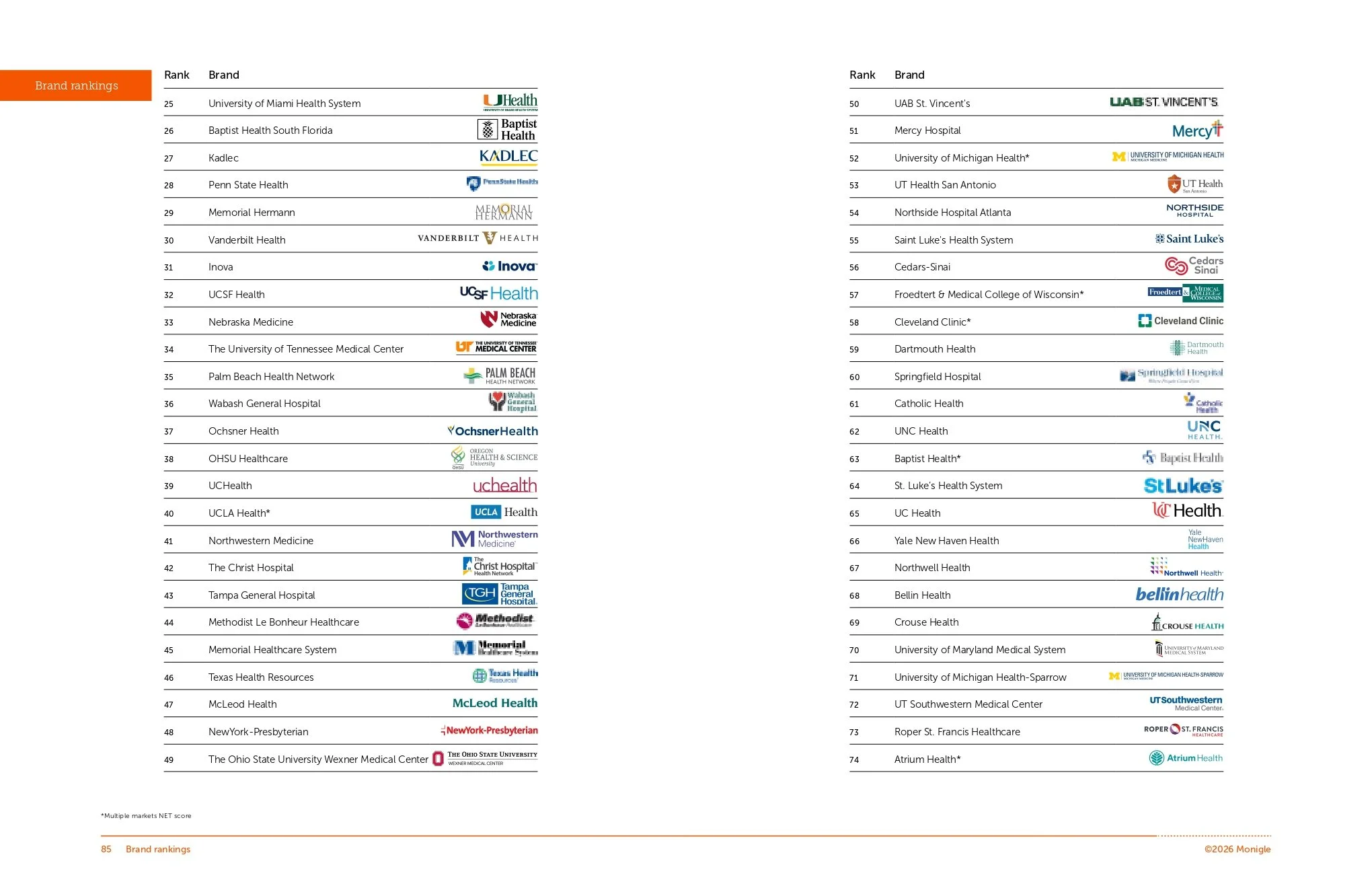
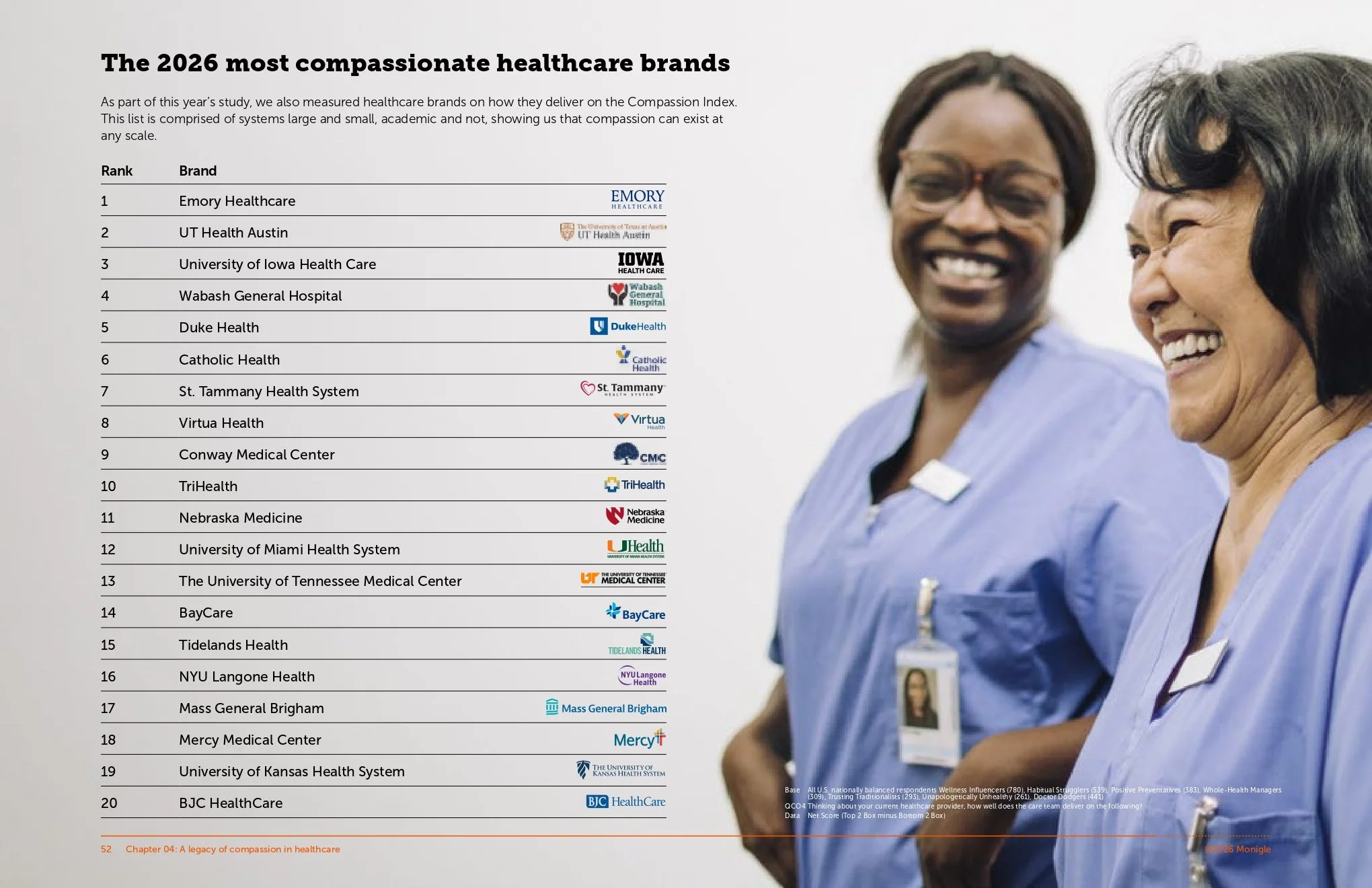
According to Stevens, Wabash General Hospital ranked 36th nationally out of 224 healthcare organizations included in the study. She noted WGH was the only critical access hospital included in the rankings.

The study surveyed more than 29,000 healthcare consumers across the country, including patients from WGH’s primary and surrounding service areas. Stevens said the hospital scored especially well in areas such as brand satisfaction, advocacy, compassion, and patient experience.

Among the highlights, Stevens told the board WGH ranked fourth nationally in compassion according to survey data connected with the Schwartz Center, an organization focused on compassionate healthcare.

Turner praised the hospital staff and marketing department for their work, saying the results validate the personal care and service patients receive throughout the organization.