Responding to concerns about how downstate road projects will be affected, a spokesperson for the Illinois Department of Transportation said, “No changes or reductions to the program are planned.”
“The department remains committed and has the resources to deliver all of the projects captured in the latest multiyear construction program released last fall, covering fiscal years 2026 through 2031,” spokesperson Maria Castaneda said in an email.
The new law doesn’t explicitly divert funding from projects earmarked for central or southern Illinois. Rather, it pulls from the statewide funding pool that backs IDOT’s multi-year plan and directs the money to the 85-15 transit split on an ongoing basis.
Sen. Ram Villivalam, D-Chicago, a main proponent of SB 2111, argued the bill provides sufficient funding for downstate, pointing to the 15% of redirected funds, or $129 million, for transit outside the Chicago area. But Six and several Republican legislators, including Sen. Sue Rezin, R-Morris, said Springfield has continuously sidestepped downstate road infrastructure in favor of Chicago.
“That’s peanuts compared to what they took from us and gave to Chicago,” Rezin said. “And what really makes me frustrated is, the people still in my district, when they go to gas up in my district, think that that money is going to repair their roads and bridges.’’
While a 2016 constitutional amendment approved by voters explicitly allows Road Fund money to be used for public transit and several other modes of transportation, Sen. Dave Syverson, R-Cherry Valley, characterized the diversion of funds as a “legal loophole.” The amendment limits money raised from transportation-related activities, like the motor fuel tax, to being spent only for transportation-related purposes.
“When we talk to the public, and we sit down and talk to a group of people and have to say, ‘They’re taking $800 million of major roads and bridges that are supposed to get done out here in central and northern Illinois, that was taken and shifted over to Chicago, so your project’s now being pushed back a year or two or three, then they get angry,’” Syverson said.
Villivalam pointed out the expenditure on transit is explicitly allowed in the text of the constitution.
Impact on trucking
Industry groups have traditionally opposed any diversion of money from the Road Fund. Illinois Trucking Association Executive Director Matthew Hart said poor road quality leads to increased congestion during emergency repairs and hazards for commercial drivers.
“Every time there is an IDOT crew or maintenance crew out there, they’re closing down lanes and closing down capacity, then you restrict the flow of goods,” he said. “So that’s why it’s imperative that we keep the roads in good shape, so that we’re spending less time filling potholes.”
Hart said poor road quality can lead to increased costs for truckers. “If you operate trucks on bad roads, you’re going to spend more time repairing your vehicles,’’ he said.
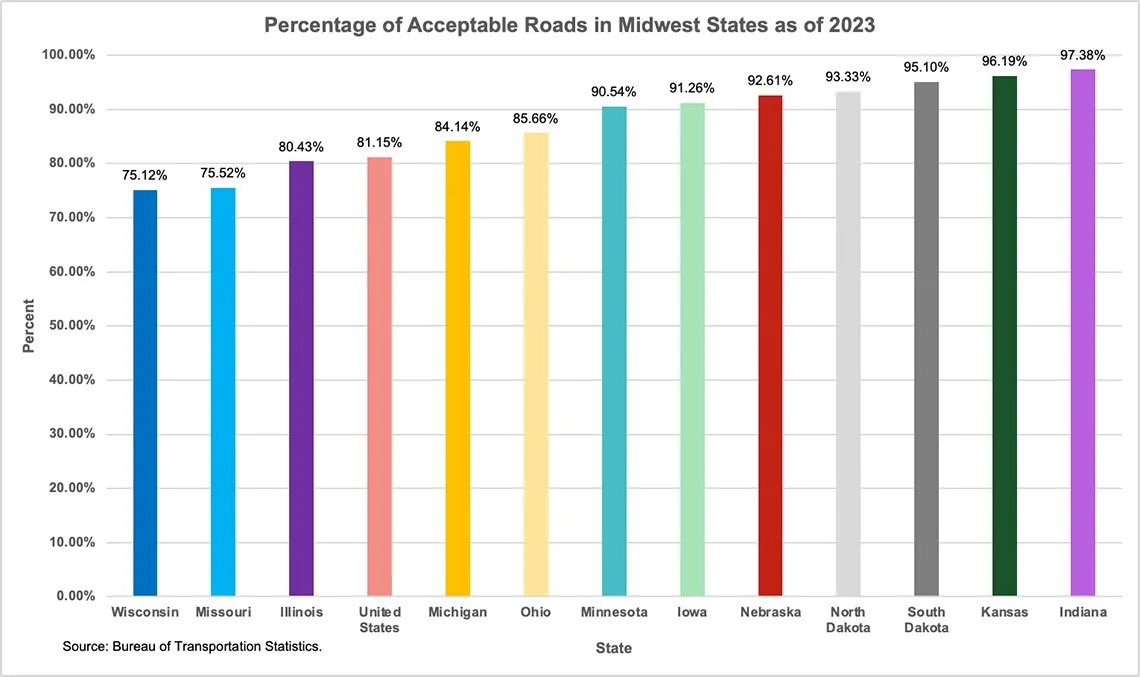
Joseph Schwieterman, director of the Chaddick Institute for Metropolitan Development at DePaul University, warned that downstate districts face increasing challenges financing their roads. Declining populations diminish the tax base, he said, and have reduced county spending on roads.
Still, he warned, “we can’t fall back on our bad past habits of letting the road system deteriorate.”
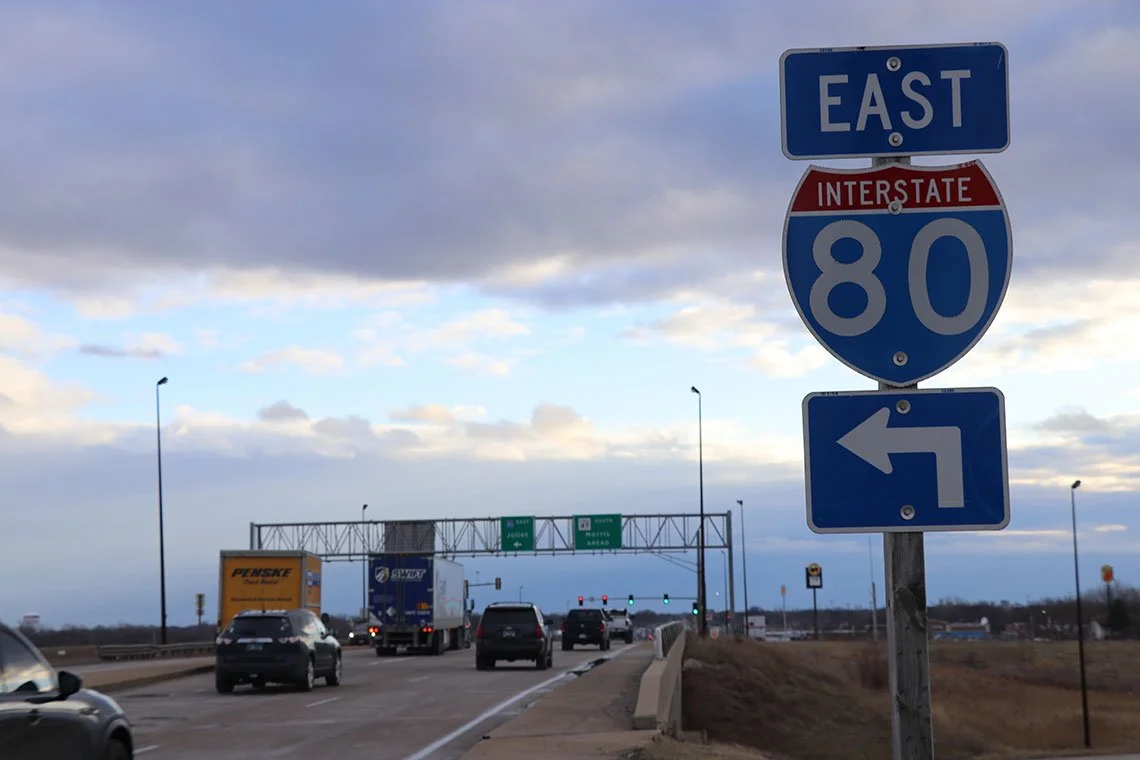
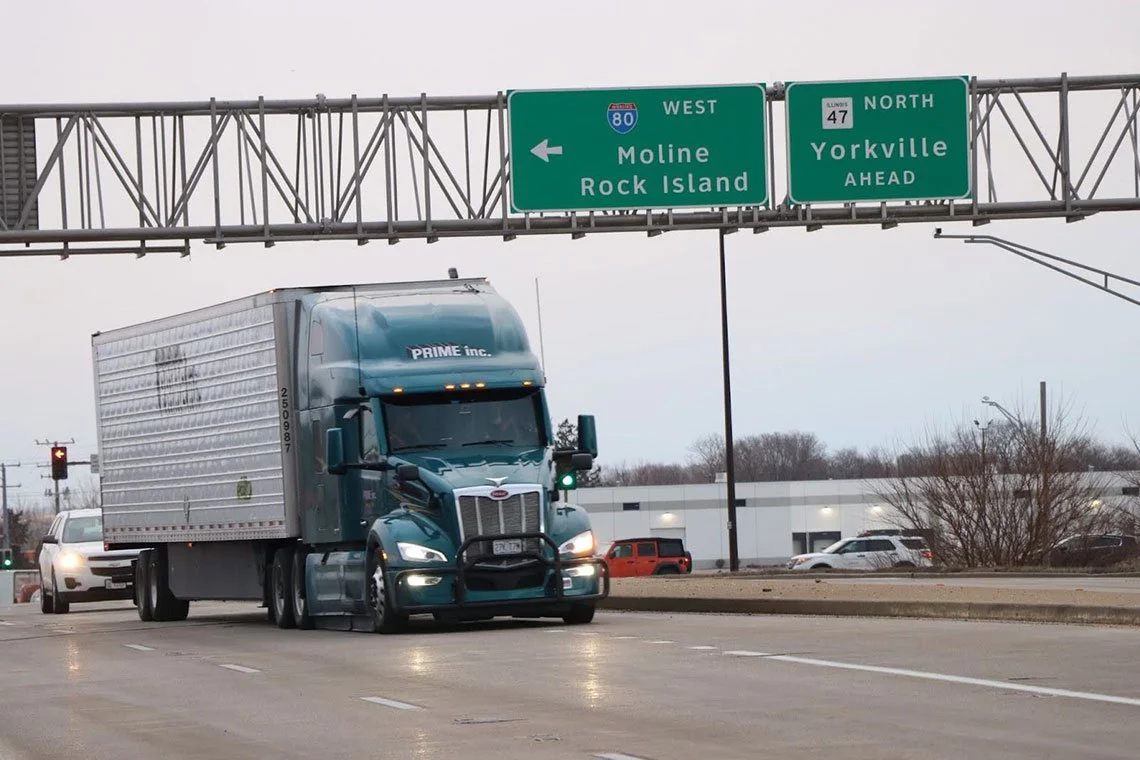
In Rezin’s district, she said Interstate 80 and Illinois Highway 47 are in need of repair.
“There’s tremendous impact everywhere as a result of where we’re located,” Rezin said of her district that includes some parts of the far southwest suburbs. “My district will see directly less money coming in. There will be less projects that will be completed because of this massive diversion of road funds to pay for the CTA, which did not raise rates or fees.”