Illnesses Still On The Rise

The Wabash County Health Department is reporting a continued increase in respiratory illnesses across the county.

Administrator Judy Wissel says cases are well above normal levels and have not yet peaked, meaning numbers are expected to continue rising. She says the illnesses being reported include influenza, COVID-19, and RSV.

Wissel urges residents to take precautions to help slow the spread. The Illinois Department of Public Health recommends that anyone with a fever stay home and avoid exposing others. People are also advised to wait at least 24 hours after a fever has subsided before returning to work, school, or public activities.

Health officials also stress the importance of good hand hygiene, including frequent handwashing, as respiratory illnesses continue to circulate at high levels.

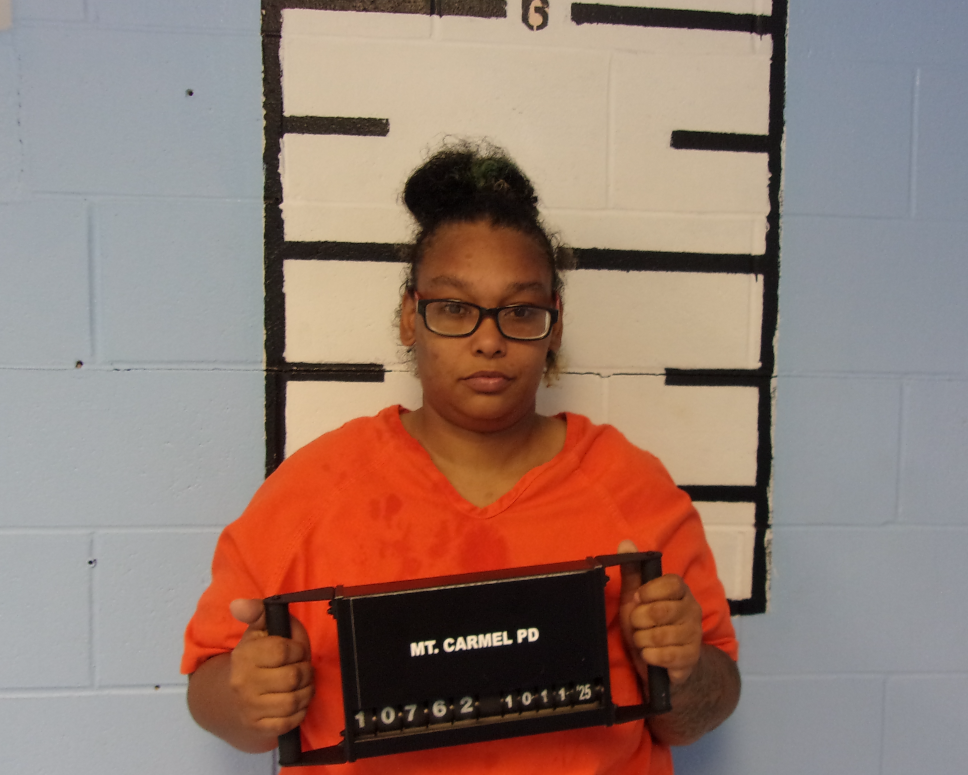
Mt. Carmel Woman Gets 4 Years In Prison On Child Abuse Charge

A Mt. Carmel woman has been sentenced to prison following a child abuse investigation.

Wabash County State’s Attorney Kelli Storckman announced that on January 13th, 33-year-old Tameeka L. Donohoo of Mt. Carmel was sentenced to four years in the Illinois Department of Corrections.

The case stems from an incident on October 10th of last year, when the Mt. Carmel Police Department responded to a request to remove a foster child from a residence in Mt. Carmel following a reported dispute. During that response, officers observed injuries on the foster child.

The Guardian Center later conducted forensic interviews with the minor victim and additional child witnesses. Based on the investigation, authorities determined Donohoo caused injury to the child during an act of discipline.

Following her release from prison, Donohoo will be subject to six months of mandatory supervised release and will be required to register with the Violent Offender Against Youth Registry.

Chrisney Man Arrested For Domestic Battery

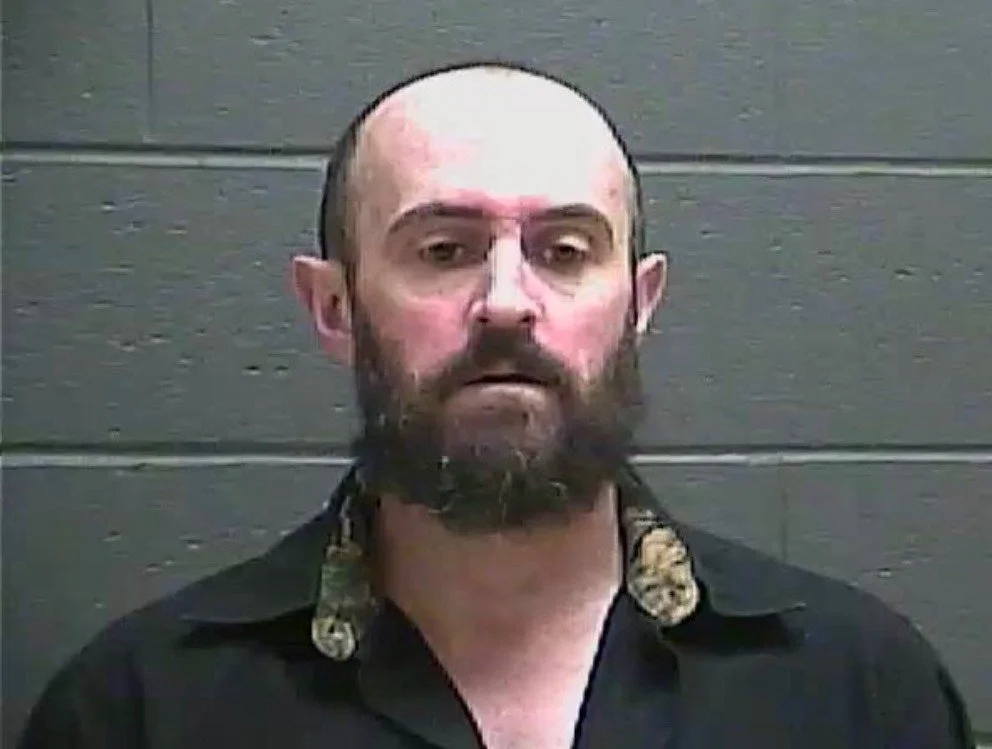
Perry County – On Sunday, January 11th, 2025, the Indiana State Police and the Tell City Police Department responded to a residence in Tell City for a suspected domestic battery. When officers arrived, they spoke to a female victim. The male had already left the residence. Due to visible injuries, the victim was treated by EMS personnel but refused further medical treatment. The victim told officers, she believed her ex-husband was going to his parent’s residence in Chrisney.

Preliminary investigation revealed the victim was at her residence when she and her ex-husband, Daniel Taylor, began arguing about marital property. The victim was choked and struck several times around the head by Taylor, knocking her to the ground. Taylor left in a pickup truck as the victim called 911.

A short time later, Officers with the Indiana State Police and Spencer County Sheriff’s Office located Taylor at a residence in Chrisney. Taylor was arrested without incident and was transported to the Perry County jail where he is being held on bond.

Arrested and Charges-
• Daniel E. Taylor, 40, Chrisney, IN

  1. Domestic Battery-W/Prior Unrelated Conviction for Battery Against Same Family or Member - Level 5 Felony                     
  2. Strangulation - Level 6 Felony

Arresting Officer – Sergeant Teresa Vaal
Assisting Officers – Sergeant George Wooten, Trooper Adam McBeth, & Trooper Levi Hupp
Assisting Agencies – Spencer County Sheriff’s Office & Tell City Police Department

Illinois, 4 other states targeted for $10B child care funding freeze win restraining order

The lawsuit comes days after the administration announced the funding freeze

By NIKOEL HYTREK
Capitol News Illinois
nhytrek@capitolnewsillinois.com

Article summary

  • A judge on Friday granted five states’ request for a temporary restraining order that will prevent the Trump administration from freezing $10 billion to their states for child care and family services programs.

  • Attorney General Kwame Raoul and attorneys general from California, Colorado, Minnesota and New York sued the administration in the Southern District of New York. 

  • The attorneys general assert the freezing of funds is unlawful and politically motivated, citing political statements from President Donald Trump and the lack of specific accusations. 

  • The Department of Health and Human Services claims the funds are being frozen because of concerns about widespread fraud, but it has provided no evidence or specific claims. 

This summary was written by the reporters and editors who worked on this story.

Editor’s note: This story was updated to reflect a judge’s late Friday issuance of a temporary restraining order, which occurred shortly after this story was originally published. 

Illinois and the four other Democratic-led states that were subject to the Trump administration’s freeze on $10 billion in federal funding for child care and family services secured a restraining order on Friday in their lawsuit seeking to block the move. 

The restraining order, issued by Judge Arun Subramanian in the Southern District of New York, means the freeze can’t take effect while the full case plays out, unless an appellate court overturns the stay.

Illinois Attorney General Kwame Raoul called the freeze, which includes about $1 billion for child care programs in Illinois, “callous,” and stressed that it targeted only Democratic-led states.   

“There is no justification for this attempted funding freeze,” Raoul said in a statement praising the order.  “It is a cruel and illegal attempt by the Trump administration to play politics with the lives of children and low-income families.”

The U.S. Department of Health and Human Services announced late Tuesday that it was freezing the distribution of funds for Illinois, California, Colorado, Minnesota and New York because of concerns about fraud, although it didn’t provide evidence or cite specific claims. The department called for those states to submit additional documentation in two weeks in order to receive the money. 

Raoul joined his counterparts from the other four states in filing the suit Thursday against HHS and its secretary, Robert Kennedy Jr. 

“Congress enacted this critical funding to support families and help working parents access child care, and the president does not have the authority to withhold it in this way,” Raoul said in a Thursday statement. 

The 41-page lawsuit asked the court to immediately stop the freeze and order the release of funds. 

‘Disfavored by the Trump administration’

The lawsuit accuses the administration of targeting Democratic states for political reasons, documenting several statements from President Donald Trump going back to December that specifically mention Illinois, California, Minnesota and New York. The statements include vague claims about fraud and attacks on the respective governors. 

At a Friday news conference, all five attorneys general said the administration did not offer any evidence or specific allegations of fraud in the letters they received. 

“If the president was serious about rooting out fraud, his administration would be investing more resources in partnering with states and supporting states’ efforts to root out fraud and abuse,” Raoul said. “But the real motivation behind this action is to punish Democrat-led states like Illinois that are disfavored by the Trump administration.”

The news release from HHS stated the funds will remain frozen until HHS’s Children and Family Services division reviews documents requested from the states and finds they are following federal requirements.

“Families who rely on child care and family assistance programs deserve confidence that these resources are used lawfully and for their intended purpose,” said Deputy Secretary Jim O’Neill. “This action reflects our commitment to program integrity, fiscal responsibility, and compliance with federal requirements.” 

Gov. JB Pritzker released a statement Tuesday emphasizing that Illinois already has anti-fraud policies and reporting requirements for programs like this. Raoul said the same thing on Friday.

“We, on the local level, regularly partner with federal agencies investigating fraud and abuse to investigate and prosecute on a case-by-case basis,” Raoul said. “This approach of, without any specific evidence, threatening to freeze funds, is inconsistent with what we do on a normal basis to make sure that funds are appropriately being administered.”

Read more: Trump freezes $10B in social service, child care funding for Illinois, 4 other blue states

The freeze impacts three programs: the Child Care and Development Fund; Temporary Assistance for Needy Families, or TANF; and the Social Services Block Grant program. Those programs fund several Illinois programs that serve hundreds of thousands of Illinoisans  

Raoul said he can’t provide an exact date for when federal funds Illinois has already received might run out, only saying the date is “fairly imminent.”

The lawsuit also claims that the two-week deadline to submit documents is unreasonable, and many of the requested documents involve individuals’ sensitive personal information.


Capitol News Illinois is a nonprofit, nonpartisan news service that distributes state government coverage to hundreds of news outlets statewide. It is funded primarily by the Illinois Press Foundation and the Robert R. McCormick Foundation.
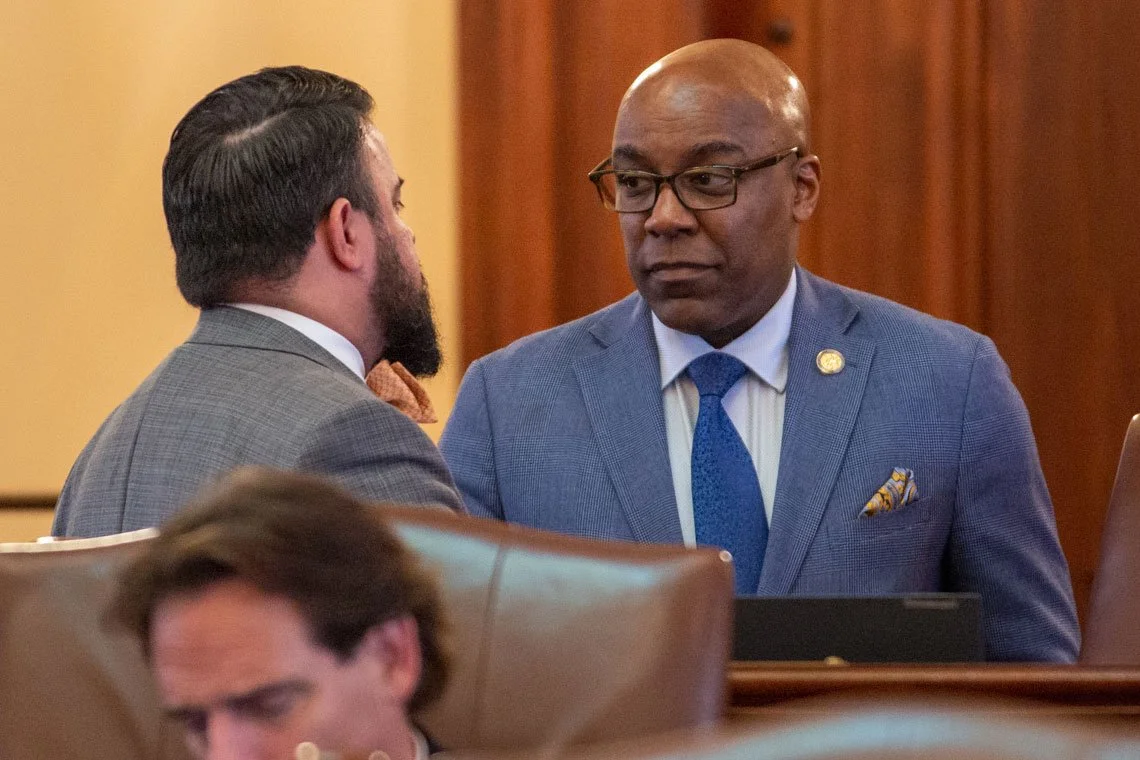
Illinois Attorney General Kwame Raoul is pictured on the floor of the Illinois Senate on May 30, 2025. (Capitol News Illinois photo by Jerry Nowicki)

Oversight panel OKs rule on digitized prison mail in Illinois with new changes

The rule now makes exceptions for certain photos, privileged mail and used books

By MAGGIE DOUGHERTY
Capitol News Illinois
mdougherty@capitolnewsillinois.com 

Article Summary 

  • A state legislative committee allowed the Department of Corrections to make permanent an emergency rule to scan prison mail, with some new carveouts.

  • The committee praised IDOC for its stakeholder engagement, but prison reform and legal rights advocates expressed disappointment with the decision.

  • Committee members warned the department against future use of the emergency rulemaking process and advised that there will likely be more work to do on this issue.

This summary was written by the reporters and editors who worked on this story. 

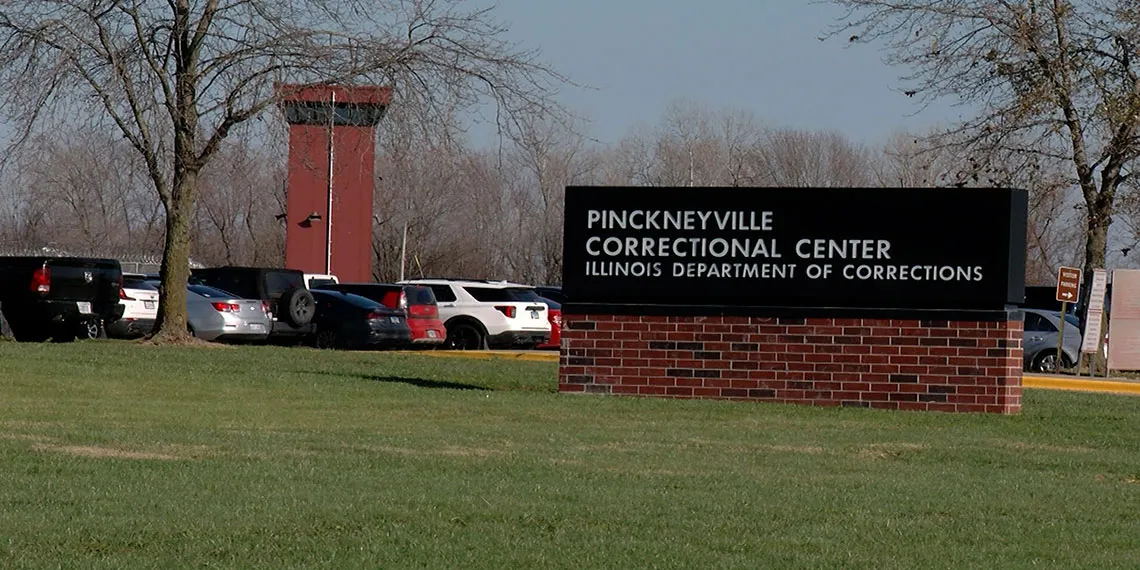
CHICAGO — A state legislative oversight committee Friday permitted the Illinois Department of Corrections to formally adopt permanent rules that allow it to scan and digitize mail of those in custody, in a blow to prison reform advocates.

The rule was originally introduced under pressure from Republican legislators and the IDOC workers’ union after a series of substance exposures in the fall of 2024 left correctional staff hospitalized. The policy has been in effect on an emergency basis since August.

The department sought to make the rule permanent, describing it as a necessary safety precaution to keep drugs and dangerous substances from being smuggled into prisons via the mail, while critics said little evidence supports the rule, and that it violates the civil rights of incarcerated people. 

Reading letters from loved ones on a tablet, they said, was not the same as being able to hold the real thing. Prison monitoring groups and legal advocates also raised data privacy concerns about the use of third-party vendors and protections for legal mail sent by attorneys.

The Joint Committee on Administrative Rules, which oversees administrative rulemaking, issued an objection to the rule in September, telling the department it needed to implement feedback from incarcerated people, families, attorneys and other stakeholders if it wanted to adopt the rule permanently.

Read more: Under emergency rule, Illinois prisons can begin withholding physical mail | Oversight panel objects to new Illinois prison mail policy | Inmate families, advocates speak against mail scanning program

After a period of public comment and engagement with stakeholders, the department introduced amended rules, including some exceptions for photographs and used books, as well as clarifications for legal mail. Photographs must be unopened and sent directly from a vendor. Those in custody can also receive a physical printout of their mail upon request, at no cost to the individual, under the amended rules.

JCAR decided Friday that the department had done enough to warrant instituting the rule permanently, citing the public engagement and changes implemented.

But advocates for the incarcerated expressed dissatisfaction with the decision, saying they did not see substantive changes reflected in the final rules. 

“We are deeply disappointed with the permanent rules for mail scanning in the IDOC,” a representative for Restore Justice Illinois told reporters. “This practice lacks any empirical data demonstrating its effectiveness, severely compromises the privacy and timeliness essential to the legal mail process, and erodes the dignity, humanity, and safety of people who are incarcerated in Illinois.”

Data availability

Critics of the policy pointed to a line in IDOC’s initial rule proposal, which asks the department to list any published studies, reports or sources of underlying data upon which the rule is based. The reply read: “None.”

“So the proposed changes are not fact-based, they are reactionary and based on guesses,” read a public comment submitted to and anonymized by the department. “IDOC is impacting my life negatively and unnecessarily, again, without having anything factual to base it on.”

Advocates called on IDOC to wait until more data is available to prove that illegal or dangerous substances are arriving through mail, rather than via other sources like staff or in-person visits. 

“It has never been clear that mail scanning will address the concerns that IDOC used to justify beginning this process months ago,” Benjamin Ruddell, director of criminal justice policy at the ACLU of Illinois told Capitol News Illinois. “Rather, the available evidence strongly suggests that mail scanning has not worked to reduce contraband or promote safety in prisons in the states where it has been implemented.”

A law signed by Gov. JB Pritzker last August will require IDOC to collect and publish annual data on contraband found in its facilities, including the source of entry into facilities. The bill passed unanimously in the Senate and with only one dissenting vote in the House, from Rep. John Cabello, R-Machesney Park. That data collection will begin in July, with the first report published by August 2027.

In its analysis of comments, though, IDOC said it was “confident in its understanding of sources of contraband entering the facilities.”

Emergency rulemaking

While the committee permitted IDOC to adopt this specific emergency rule as a permanent one, JCAR members issued a stern warning to the department against resorting to emergency rulemaking processes in the future.

“Our committee wants to make it crystal clear that the further use of emergency rules for these type of occasions needs to be ended,” JCAR co-Chair Rep. Ryan Spain, R-Peoria, told department officials. “What we want to see moving forward on any rulemaking is that you use the permanent rule making process.”

Both Restore Justice and the ACLU of Illinois expressed gratitude toward JCAR members and staff for their emphasis on meaningful stakeholder engagement and for their objection to IDOC’s use of emergency rulemaking. 

The ACLU vowed to continue monitoring the department’s implementation of the rule. 

Committee co-Chair Sen. Bill Cunningham, D-Chicago, also advised the department that more work would likely be needed to keep the rule in effect.

“I don’t know that this is the final word on this matter,” Cunningham said. “As you know, there are a number of people in the state who just philosophically are opposed to this, and I have a feeling you will be spending time in front of the larger General Assembly over the next couple of months dealing with proposed legislation on this matter that might take this policy in a different position.”

Capitol News Illinois is a nonprofit, nonpartisan news service that distributes state government coverage to hundreds of news outlets statewide. It is funded primarily by the Illinois Press Foundation and the Robert R. McCormick Foundation.

Pritzker signs major energy reform bill amid projected shortages

Environmental, labor and consumer rights activists celebrate passage

By MAGGIE DOUGHERTY
Capitol News Illinois
mdougherty@capitolnewsillinois.com 

Article Summary 

  • The Clean and Reliable Grid Affordability Act incentivizes battery storage among other measures aimed at bolstering grid reliability.

  • It creates “virtual power plants” aimed at harvesting wind and solar energy from homes and businesses to help fuel the grid.

  • Regulators will also have more authority to set long-term plans for managing energy supply and demand.

  • The bill’s backers say it is a major step in counteracting anticipated energy shortalls projected by state agencies last month. 

  • Opponents say it guarantees ratepayers will subsidize battery storage without guarantees of actually reducing consumer bills. 

This summary was written by the reporters and editors who worked on this story. 

CHICAGO — Amid warnings of impending energy shortages, Gov. JB Pritzker on Thursday signed a wide-ranging energy reform package into law aimed at bolstering the state’s power grids after years of negotiations. 

Senate Bill 25 — also known as the Clean and Reliable Grid Affordability Act, or CRGA — will fund battery storage, grant greater authority to state utility regulators, create new options for “virtual power plants” and lift a longtime ban on new large-scale nuclear power plants.

“We're making it easier to develop renewable energy,” bill sponsor Sen. Bill Cunningham, D-Chicago, said at the signing ceremony in Joliet. “We're going to deploy battery storage; we’re lifting the nuclear moratorium. That's all going to bring more supply onto the grid, and that will help hold the line on our electrical bills.”

The Illinois Power Agency, an independent body responsible for planning and procuring cost-effective energy for Illinoisians, found that the law will save utility customers in the state $13.4 billion over the next two decades. But opponents question those projections, pointing to increased subsidies for battery storage that will eventually be reflected via a new charge on consumers’ bills beginning in 2030.

The bill signing took place less than a month after state regulators projected energy shortfalls would likely drive up costs in the next three to five years and force Illinois to import more power from out of state absent action from lawmakers and grid operators.

Shortfalls, Pritzker said, would be exacerbated by actions at the national level, including the Trump administration’s passage of the One Big Beautiful Bill Act, which phased out renewable energy tax credits and froze federal funding for energy projects. He also criticized a Trump executive order that stripped funding for the Inflation Reduction Act, a major renewable energy law passed by Congress in 2022.

“All of that raises prices in the short term, while threatening our long-term ability to meet growing electricity demand,” Pritzker said. 

CRGA, he said, will allow Illinois to forge its own path. 

What’s in the law?

At the core of the law is a new structure to incentivize energy storage, or battery, projects. It will result in new charges to ratepayers, though supporters of the bill say that those costs would be offset by cost savings from greater energy efficiency, storage and planning.

The law grants new authority to the Illinois Commerce Commission, the state body responsible for regulating utilities. The ICC will now have the power to set long-term plans for managing energy supply and demand in the state through approval of an integrated resource plan. 

It additionally adds new requirements for energy efficiency programs at electric and natural gas utilities and places new air regulations on backup generators used by data centers.

It also secures new labor protections by closing a loophole for community solar projects that has allowed some developers to avoid hiring union labor, a major priority for organized labor groups involved in negotiating the bill.

CRGA also lifts a longstanding ban on constructing new large-scale nuclear power plants, while at the same time increasing fees for nuclear plant operators. It outlines new programs for geothermal and thermal energy network projects, using naturally occurring heat from underground and transferring it via water-filled pipes to offset the need for electric or fossil fuel heating.

Read more: House passes energy bill amid debate over costs to consumers | Lawmakers OK sweeping energy reform package that governor pledges to sign

The law also creates new “virtual power plant,” or VPP, programs. That’s not virtual as in occurring via the internet or virtual reality, but rather as a program that allows homes and businesses with solar panels or wind turbines to pool energy together, acting “virtually” like a power plant despite not physically existing as one.

The idea is that the energy stored in residential and business batteries can be contributed to the electrical grid when the state’s primary electric delivery companies, like ComEd and Ameren Illinois, face high supply prices during peak hours of use, especially during the summer.

Homes and businesses who contribute energy to the grid via VPPs will be paid for their energy. The law also mandates that electric utilities offer optional “time-of-use” pricing, allowing customers to save money by using less energy during periods of high demand.

ComEd already offers time-of-use pricing, as approved in an ICC ruling in January 2025, but CRGA enshrines the requirement for both Ameren and ComEd into law.

Path to passage

The legislation passed during the legislature’s veto session in late October with support from environmental, labor and utility oversight advocates. Business groups and Republicans criticized the bill for its reliance on a new ratepayer charge to fund new battery storage and for yielding what they said was too much power to the ICC.

“Senate Bill 25 is a guaranteed rate increase that does nothing to increase energy production,” Rep. C.D. Davidsmeyer, R-Murrayville, said in a statement released after the signing, calling battery storage an “unproven” strategy. 

Rep. Norine Hammond, R-Macomb, also denounced energy sources like wind and solar as unreliable in a statement, saying that the state “should focus on preserving reliable energy sources like coal, natural gas, and nuclear power that actually work when the wind isn’t blowing and the sun isn’t shining.”

Supporters, though, say that ratepayer charges will be offset with savings from increased energy supply and grid reliability. They argue the investment in battery systems allows the state to store extra energy generated on bright sunny days or windy days and deploy it at night and when other energy supply is low.

Sarah Moskowitz, executive director of Citizens Utility Board and champion of the bill, said CRJA was the state’s response to market signals sent by regional grid operators.

“To me, CRGA is really about us here in Illinois, together as a state, deploying the tools we have here at our disposal to defend the promise of clean and affordable power for Illinois,” Moskowitz said.

Organized labor advocates also supported the bill, which is expected to generate up to 100,000 jobs according to statements from multiple House Democrats. AFL-CIO Secretary Treasurer Pat Devaney and LiveWire Construction CEO Shon Harris joined Pritzker on stage at the signing ceremony.

“By expanding access to pre-apprentice programs, lowering thresholds for project labor agreements, ensuring that wind, solar and thermal energy projects are built by skilled Illinois workers, this bill clearly says the future of clean energy in Illinois will be union built,” Devaney said.

The bill prioritizes grants to historically underserved contractors and projects in communities that would most benefit from investments to combat discrimination. Harris said that legislation keeps the doors open for businesses like his.

“CRGA ensures equity remains a part of Illinois’ clean energy future,” Harris said. “That means that companies like mine can keep building projects, training workers and creating good-paying jobs all across Illinois.”

Capitol News Illinois is a nonprofit, nonpartisan news service that distributes state government coverage to hundreds of news outlets statewide. It is funded primarily by the Illinois Press Foundation and the Robert R. McCormick Foundation.


An industrial-scale battery storage facility at G&W Electric in Bolingbrook, which was installed in 2024. (Capitol News Illinois file photo)


Bailey proposes ‘Illinois DOGE’ as Republican governor’s race focuses on spending

New poll shows Bailey holds commanding lead in four-person primary 

By BEN SZALINSKI
Capitol News Illinois
bszalinski@capitolnewsillinois.com

Article Summary

  • Republican candidate for governor Darren Bailey is proposing a Department of Government Efficiency for Illinois modeled after the failed Trump administration initiative. 

  • Bailey said his DOGE would be different from Trump’s and not take a “chainsaw” to state government or implement mass layoffs of state workers. 

  • Bailey also released other plans focused on affordability, such as capping property taxes and eliminating a state energy law critics say is causing utility prices to rise. 

  • The first independent poll of the GOP primary was also released on Thursday, showing Bailey with a strong lead.

This summary was written by the reporters and editors who worked on this story. 

SPRINGFIELD — President Donald Trump’s and Elon Musk’s Department of Government Efficiency disbanded less than a year into Trump’s second term and appeared to have caused more chaos than actual savings to the federal government. 

But Illinois Republican candidate for governor Darren Bailey says a DOGE-like system can achieve savings and efficiencies in Illinois’ budget. 

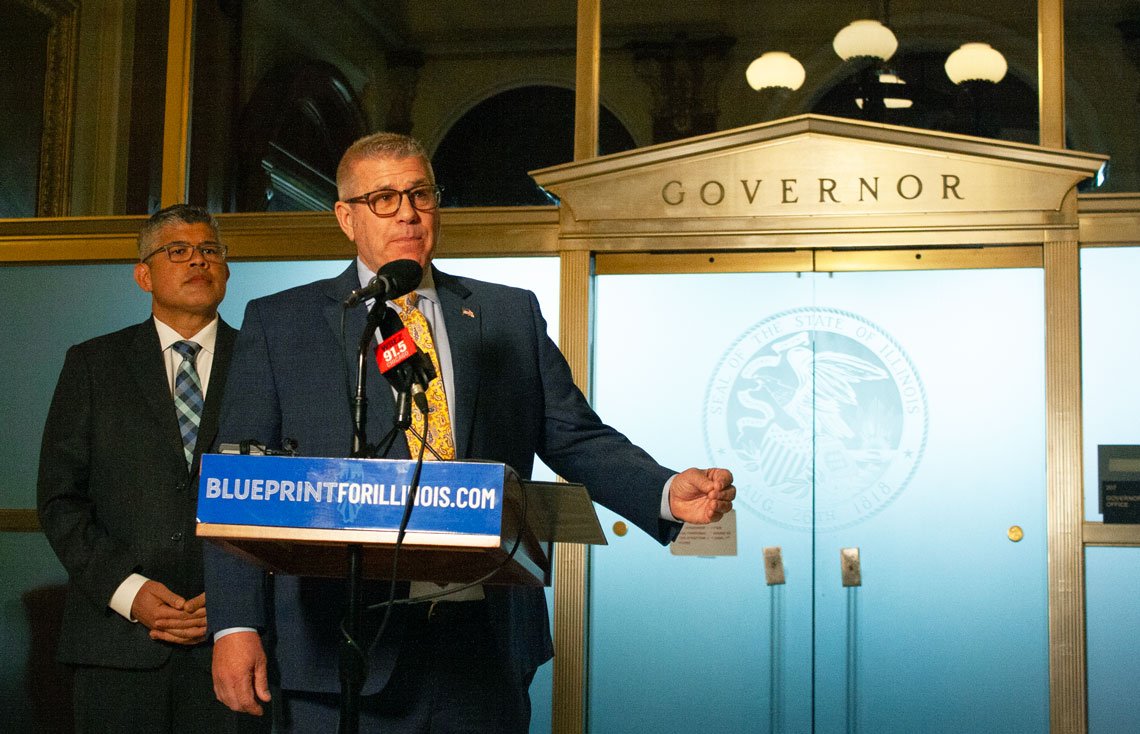
“It needs to be broken down,” Bailey told reporters at a news conference at the Statehouse Thursday in Springfield. “It needs to be audited. It needs to be opened up so that people know where the money’s coming from. I am very confident there are going to be a lot of waste discovery in that.” 

Bailey also announced a plan to address cost-of-living issues and other areas that relies on DOGE-style governing to achieve results. The commission under a Bailey governorship would be led by his running mate, Aaron Del Mar. 

Bailey and Del Mar did not specify any cuts they’ve already identified but stressed it would not be a tool to lay off large numbers of state employees or make cuts based on partisan politics — a difference from Trump’s and Musk’s approach. 

“We’re not going in here with a chainsaw,” Del Mar said. “We’re going in here with an X-Acto knife. We are doing this as a purely public policy effort. This is not politically driven.” 

Musk waived a chainsaw on stage at a conservative event last year, symbolizing his wide-ranging approach to government cuts. He later had a falling out with Trump and left government service.

Bailey and Del Mar suggested numerous state boards and commissions deserve more scrutiny, and any jobs or services that are duplicative could be consolidated.

A spokesperson for Gov. JB Pritzker said he doesn’t trust the Bailey campaign’s approach. 

“He echoes Trump’s lies, copies Trump’s dangerous ideas, and wants to bring Trump’s chaos to Illinois,” Alex Gough said in an email. “Make no mistake: Bailey is running with Trump, embracing the same dysfunction and broken promises that have repeatedly failed working families.” 

Bailey said he is not concerned about naming something “DOGE” after the scrutiny the program received in the Trump administration. 

“People understand what it means,” Bailey said. “They’re going to have to get over the federal situation and we’re going to understand we have our own problems in Illinois. I am my own person, and I have proven that, regardless of who I like, who I support.”

Bailey received Trump’s endorsement during his unsuccessful 2022 campaign and said on Thursday he is willing to accept it again. 

Bailey’s priorities 

Beyond the DOGE plan, the former state legislator from Clay County is proposing a series of initiatives he hopes will address affordability. 

Topping that list is utility prices, which have increased substantially throughout the state.  Bailey said he would repeal the 2021 Climate and Equitable Jobs Act that many Republicans blame for rising prices and dwindling supply. He also wants to require independent audits of major utility contracts. 

Bailey said he would cap annual property tax rates to not exceed a person’s mortgage rate. In response, he said the state would do more to fund education but did not elaborate on how much he would increase spending for public schools to help them rely less on property taxes.

DEL MAR PHOTO

“Classrooms should focus on education, not political agendas,” Del Mar said. “The blueprint prioritizes strong instruction in reading, writing, math, science and civics. It supports parental involvement.”

Child care spending

The Trump administration has already tried slashing some spending in Illinois. Most recently on Tuesday, the federal government cut off what Pritzker’s office estimates is $1 billion in federal aid for child care and other family assistance programs to Illinois. The Trump administration claimed without evidence that the freeze was in response to "widespread fraud and misuse of taxpayer dollars” in Illinois and four other Democrat-led states. 

Read more: Trump administration freezes $10B in social service, child care funding for Illinois, 4 other blue states

“I think it’s fair for any administration to demand accountability,” Bailey said when asked whether he agrees with the administration’s decision. 

One of Bailey’s opponents, conservative researcher Ted Dabrowski, is also trying to score political points on the Trump administration’s claims and a fraud scandal in Minnesota’s human services programs. 

Dabrowski held a news conference in Chicago on Tuesday warning massive spending on child care programs in Illinois could be a sign of fraud like Minnesota. But he acknowledged he had no evidence there had been any wrongdoing in Illinois. He suggested there should be audits to see why child care spending has grown in Illinois in recent years.

Funding child care and preschool programs throughout Illinois has been one of Pritzker’s top priorities during his second term and he has included several spending increases for the programs in recent budgets. He took office in the wake of a historic two-year budget impasse between Republican Gov. Bruce Rauner and Democrats in the General Assembly that was accompanied by massive spending cuts to social services. 

First poll of the race

The first poll of the Republican primary for governor by Emerson College was released Thursday by WGN and showed Bailey has a strong lead in the primary. 

Bailey received support from 34.4% of voters in the poll of 432 likely GOP primary voters conducted Jan. 3-5. No other candidate cracked 10%, with Dabrowski coming in second at 8.2%. 

DuPage County Sheriff James Mendrick was at 5.4% and businessman Rick Heidner was at 1.1%. While Bailey holds a strong lead less than a month before early voting begins on Feb. 5 for the March 17 primary, 46.4% of voters were still undecided.

The GOP field was whittled down to four candidates on Thursday after the State Board of Elections ruled Gregg Moore and Joseph Severino did not submit enough valid signatures to remain on the ballot. 

The economy was the top issue in the larger poll of 1,000 likely primary voters for 40.4% of respondents followed by health care and threats to democracy, each around 12%.

Pritzker’s approval rate is 50.6%, according to the poll. 

Capitol News Illinois is a nonprofit, nonpartisan news service that distributes state government coverage to hundreds of news outlets statewide. It is funded primarily by the Illinois Press Foundation and the Robert R. McCormick Foundation.  
 Republican candidate for governor Darren Bailey speaks at a news conference with running mate Aaron Del Mar on Jan. 8, 2026. (Capitol News Illinois photo by Jenna Schweikert)


Needling Trump as 2028 looms: Inside JB Pritzker’s all-of-the-above media strategy

Pritzker embraces social media influencers to show off Chicago, reach new voters 

By BEN SZALINSKI
& BRENDEN MOORE
Capitol News Illinois
news@capitolnewsillinois.com

Article Summary

  • Gov. JB Pritzker has ramped up his media appearances in 2025 by embracing social media influencers and bringing his message to a national audience. 

  • President Donald Trump is one of Pritzker’s primary audiences, as the governor and president engage in constant disputes through TV cameras. 

  • Pritzker did roughly 100 interviews in 2025, particularly as immigration agents raided Chicago and the governor set out to paint a glowing picture of the city amid dark rhetoric from the Trump administration. 

  • The media strategy has helped Pritzker grow his national profile as speculation increases that he will run for president in 2028. 

This summary was written by the reporters and editors who worked on this story. 

While sitting for his second Fox News interview of 2025 in late October, Gov. JB Pritzker made a plain observation about President Donald Trump, who earlier that day derided Illinois' billionaire chief executive as “weak” and “pathetic.” 

“It seems like I live rent free in his head,” Pritzker told host Bret Baier on one of the president’s favorite news networks. “He talks about me all the time just spontaneously.” 

Pritzker and Trump did not speak directly in 2025, but they regularly exchange barbs through television cameras and social media. Pritzker is among Trump’s most pugnacious critics and has likened his return to power to the rise of Nazism in 1930s Germany.

Never one to let scores go unsettled, Trump often punches back. And the back-and-forth has only escalated since he placed Chicago in his crosshairs. Trump first threatened to deploy National Guard troops to the city’s streets, and his administration later sent masked agents to conduct aggressive immigration raids.

Trump dropped his bid to occupy the nation’s third largest city on Dec. 31, but he teased on social media that “we will come back.” 

The feud has allowed Pritzker to grow his national profile as he's used his bully pulpit to knock Trump and perhaps lay the groundwork for a 2028 presidential campaign. 

Capitol News Illinois reviewed Pritzker’s schedule for the last seven years through public records requests and limited data shared by his campaign. Reporters found the 60-year-old governor did roughly 100 one-on-one media interviews in 2025, his most of any year in his tenure as governor. Of those, 81% were with national media outlets, podcasters, social media influencers or television entertainment hosts — a major uptick from early in his tenure. 

MSNBC, which recently rebranded as MS NOW, is one of Pritzker’s favorites. He appeared a dozen times on the left-leaning network in 2025 — more than any other media outlet. He’s also become a favorite for national media outlets from the Sunday morning talk shows to cable news to Jimmy Kimmel’s late-night show on ABC. And he’s been the subject of lengthy profiles in top East Coast publications, spoken to NBC Chicago about his recent weight loss and shared his favorite small businesses with TikTok personalities.

Experts on political communication and people close to the governor say there’s an overarching goal to the all-of-the-above strategy: getting the Trump administration’s attention and presenting a contrasting message to American voters. 

“I think we were able to put his voice in front of people, in front of places and spaces that got a lot more pickup and notice because of this broader vacuum that existed in Democratic politics,” Matt Hill, the governor’s deputy chief of staff for communications, told Capitol News Illinois.

Talking to Trump 

Trump is known to consume hours of cable television as part of his daily routine, and he often shares his thoughts in social media posts or monologues before the White House press corps. 

One of Trump’s more visceral attacks on Illinois’ governor came days before Thanksgiving when, unprompted, he called Pritzker a “big fat slob” during the traditional White House turkey pardon.

Pat Brady, a political communications consultant and former chair of the Illinois Republican Party, told Capitol News Illinois attacks like these are a sign Pritzker’s strategy is working. Brady has been a vocal Republican critic of Trump.

“For some reason, I think that Pritzker gets under his skin more,” Brady said. “I don’t know what exactly the reasons are, but some of the shots I’ve seen him take are very, very effective. If he’s in Trump’s head on Thanksgiving, then he’s been very effective. The most effective, I think, of any of the Democrats.” 

Hill, who joined Pritzker’s team in late 2024 and was a communications staffer in former President Joe Biden’s White House, said the governor's cable hits are “a method and a tool” to speak to the White House, where a multiscreen display of the major American cable news networks is omnipresent.

When Trump took to social media in October to write that Pritzker and Chicago Mayor Brandon Johnson should be jailed for, in his words, “failing to protect” U.S. Immigrations and Customs Enforcement officers, Pritzker and his team made a “very intentional” choice to have the governor’s first interview live on MSNBC, Hill said. 

Read more: As Trump says Pritzker ‘should be jailed,’ Illinois’ governor taunts: ‘Come and get me’ 

In a live, on-the-street interview with MSNBC’s Jacob Soboroff at Chicago’s Federal Plaza, Pritzker looked directly into the camera and dared Trump to “come and get me” while extending his hands as if they were to be cuffed.

“The sitting governor of one of the largest states in America that you just threatened to arrest responding in real time on cable — that gets noticed in that building,” Hill said, referring to the White House.

Pritzker and his team have fought to wrestle control of the national narrative about Chicago away from Trump as the president threatened military deployments to the city he called a “hellhole.”

“I know he doesn't read,” Pritzker said at an Aug. 25 news conference. “I know he doesn't listen to very many people, but I know he watches television, and so perhaps if somebody from Fox News or from Newsmax is here, they'll cover the fact that Chicago is in much better shape as a result of the work that we are doing to prevent crime.”

Pritzker employed a similar national media strategy during the pandemic, using a wave of appearances to get Trump’s attention about Illinois’ needs. Between March and May 2020, he did 28 national media interviews. In all, more than half of Pritzker’s 85 scheduled interviews that year were with outlets based outside of Illinois. 

The governor’s strategy of needling Trump has opened him up to criticism, with some arguing that it places Illinois in the administration’s crosshairs, whether through frozen federal funding and threatened troop deployments to the state’s streets, among other consequences that might be avoided through a more cooperative approach.

But Pritzker and his team say their posture is shaped by their dealings with Trump during the pandemic, when — even after the governor said he would publicly praise the president — the administration failed to deliver life-saving medical equipment it had promised.

The lesson from this fool-me-once moment they say was unmistakable: Don’t cut deals with Trump and don’t expect appeasement to buy protection.

This helped inform Pritzker’s high visibility media strategy during the first year of Trump’s second term. Another influx of interviews came this past fall amid immigration enforcement operations in the Chicago region. In all, Pritzker did 43 one-on-one interviews between Sept. 1 and Nov. 13, when the U.S. Border Patrol’s top commander left the state.

By the numbers

Pritzker has sat for nearly 500 media interviews since he became governor in 2019, according to the calendar maintained by his government staff and a limited list provided by his campaign. Because campaign interviews aren’t subject to the same rigorous record-keeping laws as those tracked by his state office, the list may not be an exhaustive accounting of his interviews. 

Putting aside his national media blitz during the pandemic, most interviews during his first term — 82% in 2019, 87% in 2021 and 61% in 2022 — were with Illinois-based media outlets.

While local media shrunk to 19% of his 2025 media appearances, Pritzker’s staff says Illinois reporters remain a priority. The governor took questions at 70% of his public events this year, Hill said, and most influencers he speaks to are from Illinois.

Still, Pritzker has gone more national — and new — in his second term. In 2025, national media accounted for more than half of his appearances. 

But the largest growth area has been with social media influencers and podcasters. After sitting for only a handful of interviews combined in the first six years of his governorship, Pritzker appeared on more than two-dozen podcasts and social media influencer pages in 2025, accounting for 24% of his scheduled interviews.

The shift reflects the rapid change in the media landscape during Pritzker’s tenure. For instance, the governor held 23 meetings with newspaper editorial boards during his first 14 months in office. Most of those no longer exist, while “new” media sources are now a regular part of his schedule.

“One of the things that we’ve come to recognize over the last seven years that I’ve been in office is the evolution of media and the need to get to a lot of different types of media to reach a broader audience,” Pritzker said at a news conference in early December. “Sometimes a podcast can have more viewers than a broadcast television station.”

Ben Epstein, a DePaul University professor who researches political communication, said the diversification of Pritzker’s media portfolio reflects the increasingly fragmented media landscape but also the importance of the methods of delivery. 

An appearance on a late-night talk show or podcast matters in its own right, Epstein said, but “they’re more important when they’re cut up into splices and then spread through social media or rebroadcast.”

Anne Caprara, Pritzker’s longtime chief of staff, told Capitol News Illinois more bluntly that the change reflects the reality that people “go home at night, lay in bed and start scrolling through Reels or TikTok.”

“It’s the only way to reach people anymore because the truth is, they just don’t sit down and watch the evening news (and) they don’t wake up in the morning and fold open a newspaper that got delivered to the doorstep,” Caprara said.

Pritzker’s engagement in new media increased after the 2024 election, she said, acknowledging that Trump’s dominance in those spaces was a major factor in his victory and his gains with younger voters. 

“If you're not willing to engage in that environment, then you're not really engaging in the campaign and political world as it is today,” she said.

That said, traditional media remains a mainstay on the schedule, too, which the governor’s staff attributes to a flood of interview requests from outlets both near and far eager to talk to one of the most prominent elected Democrats in the Trump era.

A review of Pritzker’s schedule over the years reveals his most-favored outlets. In Illinois, Pritzker has sat with the Chicago Sun-Times 18 times, Chicago Tribune 15 times and Crain’s Chicago Business 10 times.  

Downstate, he appeared most regularly on WJPF in Carbondale. Pritzker called in to Tom Miller’s morning drive radio show 13 times before Miller signed off in October after 45 years on the air. Pritzker also sat for eight interviews with WVON — Chicago’s largest African American news talk station.

Nationally, Pritzker appeared on CNN and MSNBC about two-dozen times apiece. His next most-frequent stops were 15 times with The New York Times and 14 times with the Washington Post. Reflecting his sensitivity to the financial markets, Pritzker was interviewed by Bloomberg a dozen times.

Though he sat for two interviews with conservative Fox News, the governor has kept his media appearances to friendly settings like left-leaning MS Now, liberal podcasts like Pod Save America and influencers who create minimal political content. The strategy stands in contrast to other Democrats such as California Gov. Gavin Newsom, who has sat down with some of right-wing media’s most prolific figures such as Sean Hannity and Steve Bannon.

Positioning for 2028

Those close to Pritzker insist his communication strategy has nothing to do with presidential ambitions. Pritzker often deflects questions about his national aspirations, insisting his focus is on governing Illinois and winning reelection in 2026.

But his place in the national political scene is growing more prominent.

Brady said the president has handed Pritzker a platform. 

“I think Trump is the best thing that ever happened to Gov. Pritzker insofar as building his national brand and his national identity because he provides a very calm response to some of the craziness,” Brady said. 

Brady observed Pritzker is “using Trump to raise his own named ID and stake himself out as a progressive, but a commonsense progressive” by being a “happy warrior.” He thinks Pritzker’s focus on “live issues” such as immigration gives him an advantage among possible 2028 Democrats.

But unlike Newsom and Kentucky Gov. Andy Beshear, another possible 2028 candidate, Pritzker has not launched his own podcast. 

Pritzker, an heir to the Hyatt Hotel fortune with a net worth estimated at $3.9 billion by Forbes, self-funded his first two campaigns for governor to the tune of more than $330 million. He’s already tapped his personal wealth again for his 2026 reelection bid and could do so for a presidential run. 

Though Pritzker will never have a lack of paid media, experts say money can’t buy authenticity — making earned media critical to building goodwill with voters.

“His media strategy is not driven by money concerns. He's not Mamdani in that way,” Epstein said, referring to New York’s media-savvy mayor, Zohran Mamdani. “But he's doing things on a more national basis because all politics is more national now.”

Epstein, the DePaul professor, pointed to Pritzker’s less overtly political media appearances, which he said help humanize the governor, including a segment on Comedy Central’s “The Daily Show” that aired during the week of the 2024 Democratic National Convention. In the segment, Pritzker took correspondent Jordan Klepper on a Wrigleyville bar crawl that ended with the pair downing a shot of Jeppson’s Malört, the notoriously bitter Chicago-made liqueur.

“It's clear that in 2025, however many people that are like, 'I can't believe Pritzker went on there and did a shot of Malört,' there are way more people that are like, 'Oh, this is a real person who sort of gets me, or at least can talk to what I'm interested in,’” Epstein said. 

Pritzker, Epstein said, “has this interesting story to tell because he's this exceptionally wealthy person who has always been embedded in working class politics.”

“He also is unafraid to tell it,” Epstein said. “And we're living in an environment where we're as polarized and as partisan as we have been, and media is shaking up more dramatically than I think it has been any time since maybe the introduction of cable television. So it's really interesting. It's a media strategy and a political strategy.”

Capitol News Illinois is a nonprofit, nonpartisan news service that distributes state government coverage to hundreds of news outlets statewide. It is funded primarily by the Illinois Press Foundation and the Robert R. McCormick Foundation.
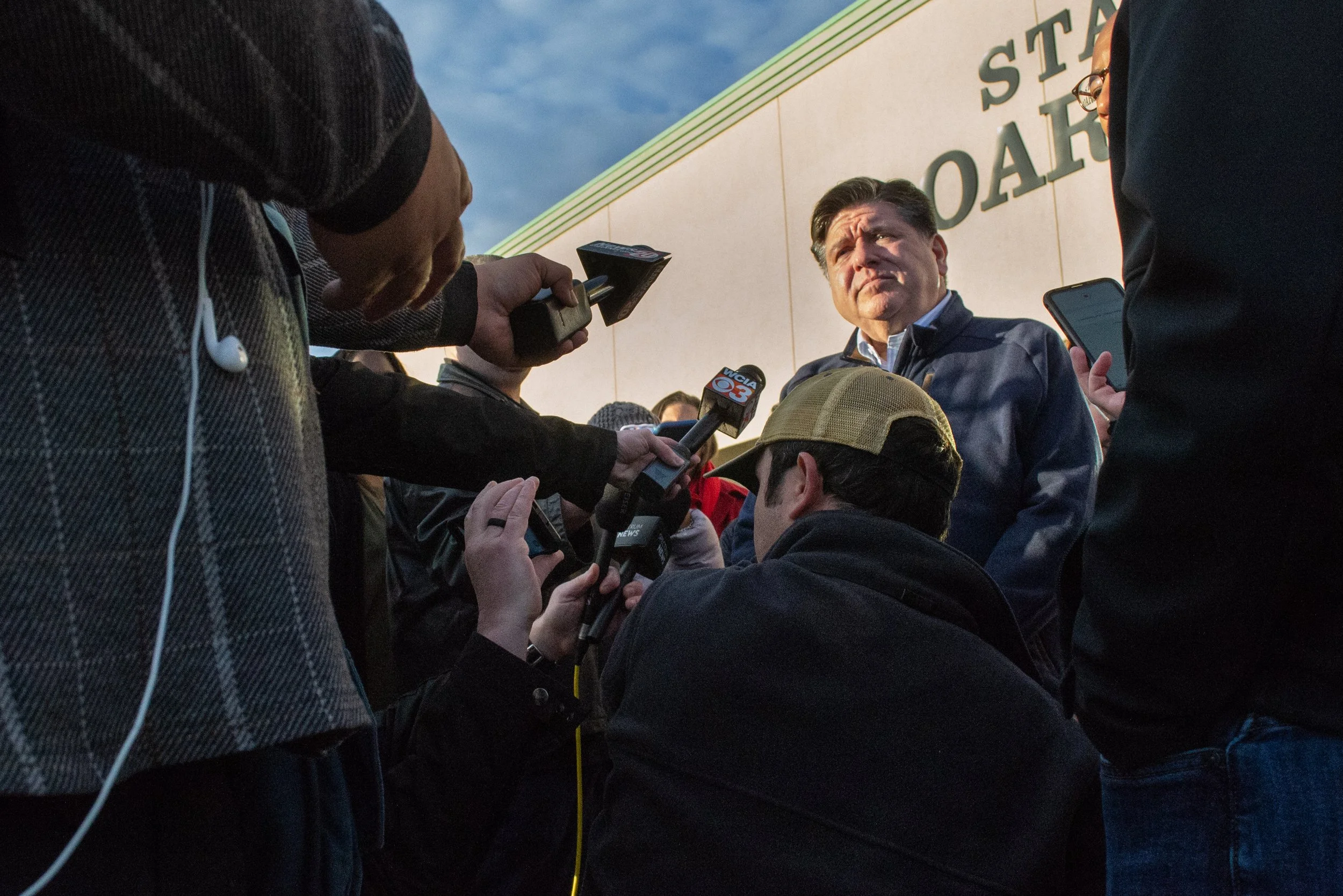
Gov. JB Pritzker takes questions from reporters outside the Illinois State Board of Elections in Springfield after filing petitions to run for a third term on Oct. 27, 2025. (Capitol News Illinois photo by Jerry Nowicki)

Illinois extends enrollment deadline for health insurance plans beginning Feb. 1

Expired federal subsidies cause significant price increases for millions of consumers

Article Summary

  • Illinois residents now have until Jan. 31 to enroll in health insurance through Get Covered Illinois.

  • Officials from the new state-run marketplace announced the extension on Jan. 12, for coverage that takes effect Feb. 1.

  • Expired federal subsidies from the COVID-19 pandemic will raise premiums for millions across the country.

This summary was written by the reporters and editors who worked on this story.

By JENNA SCHWEIKERT 
Capitol News Illinois 
jschweikert@capitolnewsillinois.com 

Customers still shopping for health insurance coverage through Illinois’ state-run marketplace now have more time to choose a plan.

Officials at Get Covered Illinois announced Monday they would extend the open enrollment deadline by 16 days. For coverage beginning Feb. 1, 2026, consumers must enroll by Jan. 31.

Independent from the federal marketplace at Healthcare.gov, Get Covered Illinois allows Illinois residents to shop for plans under the Affordable Care Act.

“We are seeing record numbers of customers finding more affordable coverage by taking the time to shop for and compare plans,” Morgan Winters, director of Get Covered Illinois, said in a statement. “As a state-based marketplace, not only do we now have the authority to offer this special enrollment extension, but we also have more resources to support our customers in finding affordable health coverage options.”

Federal subsidies enacted during the COVID-19 pandemic expired on Dec. 31, 2025. That has resulted in significantly higher premiums in 2026 for millions of consumers nationwide. 

Data released by the federal government suggests that premium payments may more than double without the subsidies, according to analysis conducted by healthcare policy nonprofit KFF.

The U.S. House passed a bill with bipartisan support in January that would provide a three-year subsidy extension despite objections from GOP leaders, but it still must pass the Senate and receive a signature from the president to become law.

To apply for a plan, Illinois residents can visit GetCoveredIllinois.gov or call the Customer Assistance Center at 1-866-311-1119 (TTY: 711).

Navigators and brokers across the state, available through Get Covered Illinois, provide free plan recommendations and guidance through the enrollment and application process. They are funded by grants from the Illinois Department of Healthcare and Family Services and the Department of Insurance.

Capitol News Illinois is a nonprofit, nonpartisan news service that distributes state government coverage to hundreds of news outlets statewide. It is funded primarily by the Illinois Press Foundation and the Robert R. McCormick Foundation.