Saline County man sentenced to 9 years for receiving child sexual abuse material

BENTON, Ill. – A district judge sentenced a Saline County man to 9 years’ imprisonment after he admitted to receiving child sexual abuse material.

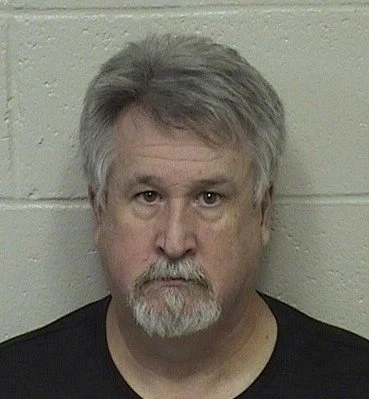
James Troy Martin, 51, of Carrier Mills, pleaded guilty to two counts of receipt of child pornography.

“These are not just images. They are real children enduring horrific acts of sexual abuse and exploitation. Every download, share, or receipt of child pornography revictimizes those innocent children, prolonging their trauma and fueling a marketplace built on their suffering,” said U.S. Attorney Steven D. Weinhoeft. “Those who participate in this trade are complicit in the ongoing rape and torment of kids who deserve protection, not the perpetuation of their victimization.”

According to court documents, Martin received at least two images of child sexual abuse material depicting minors engaged in sexually explicit conduct in Saline County between February and April 2024.

“This sentencing sends a clear message: those who exploit children by receiving child sexual abuse material will be held accountable,” said HSI Chicago Special Agent in Charge, Matthew Scarpino. “We remain steadfast in our commitment to protecting children and pursuing justice for victims. HSI will continue to work with our partners to ensure offenders face the consequences of their actions.”

Homeland Security Investigations led the investigation, and Assistant U.S. Attorney David Sanders prosecuted the case.

ISP ARRESTS WHITE COUNTY CORRECTIONAL OFFICER FOR CUSTODIAL SEXUAL MISCONDUCT

CARMI – Illinois State Police (ISP) Division of Criminal Investigation Zone 8 Special Agents arrested 57-year-old Darren R. Hays of Carmi, IL for six counts of Custodial Sexual Misconduct (Class 3 Felony) and one count of Official Misconduct (Class 3 Felony).

 On November 11, 2025, the White County Sheriff’s Office requested ISP’s assistance with an investigation involving Hays, a correctional officer at the White County Jail. An extensive investigation revealed that Hays allegedly engaged in a sexual relationship with a female inmate while on-duty at the jail.

 On March 11, 2026, ISP Special Agents presented the case to the Gallatin County State’s Attorney’s Office, who filed the above-mentioned charges and issued an arrest warrant. ISP arrested Hays the same day and transported him to the Saline County Detention Center where he remains in custody pending his first court appearance. There is no further information.

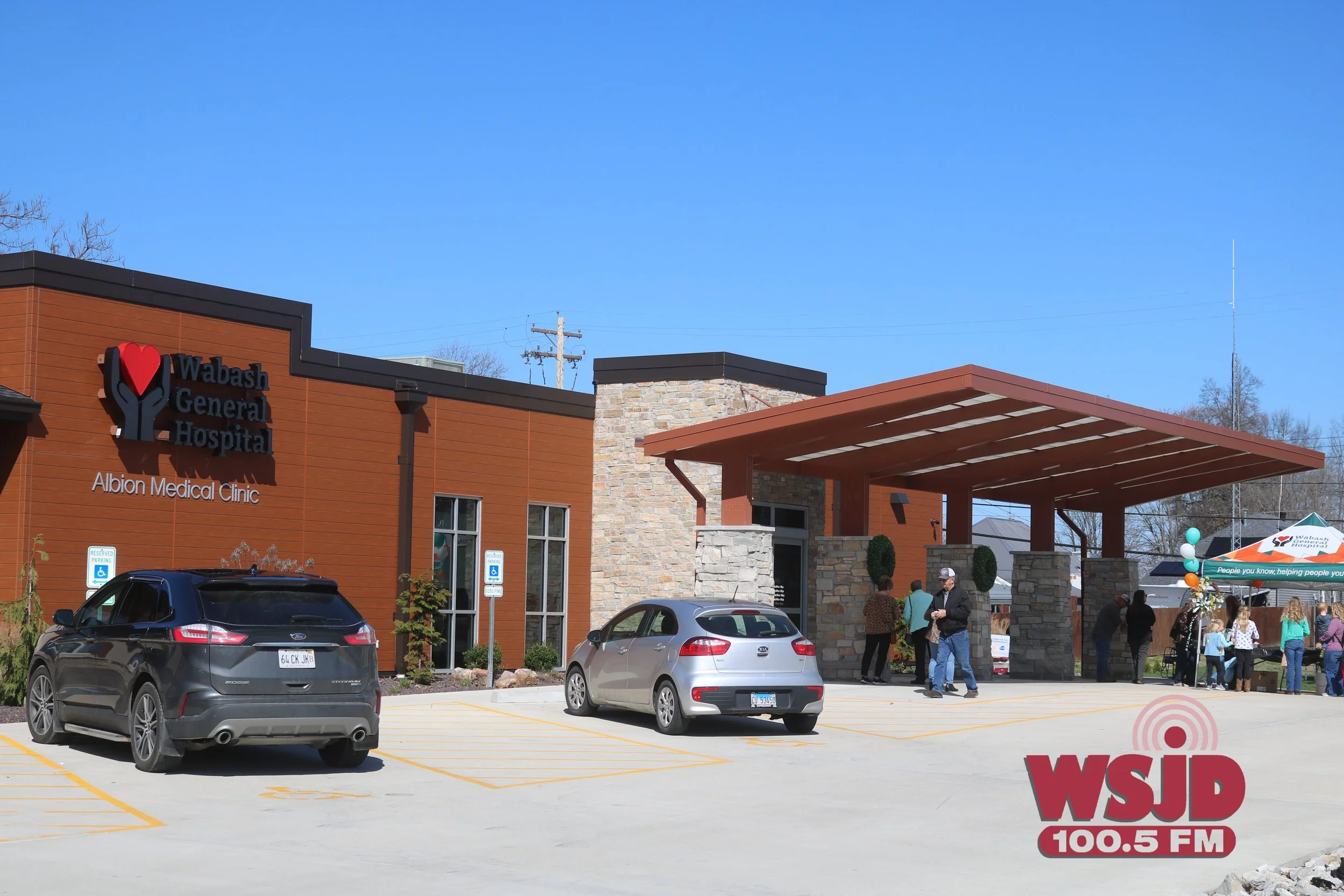
WGH Hosts Open House & Patient Appreciation Day In Albion

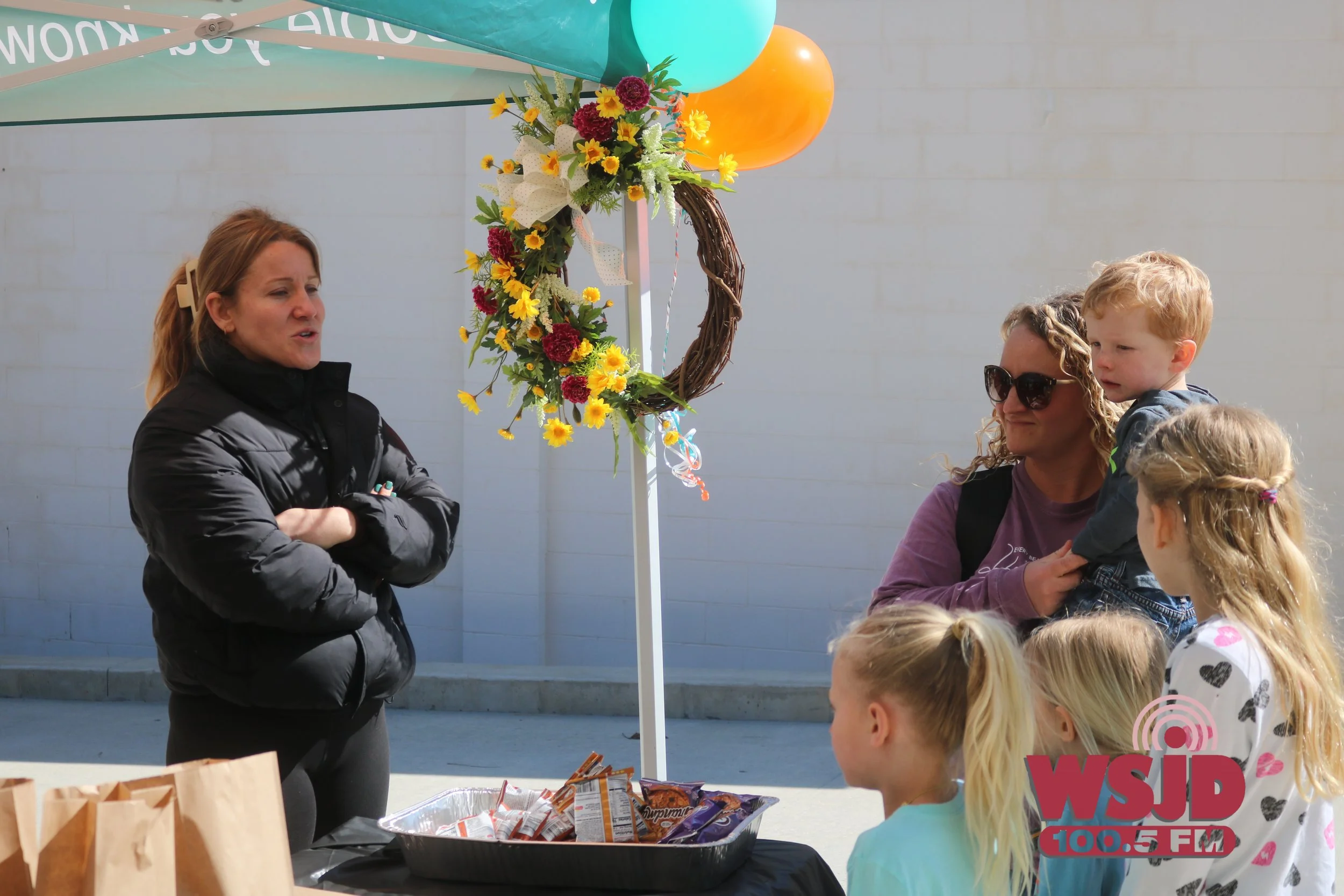
Wabash General Hospital hosted an open house and patient appreciation event Thursday at its Albion Medical Clinic, celebrating the growth of the facility and the support it has received from the Edwards County community.

WGH President and CEO Karissa Turner said the clinic began as a vision from local physicians Dr. Justin Miller and Dr. Levi McDaniel, who wanted to expand healthcare services in their hometown.

Turner says the idea dates back to 2017, when hospital leaders sought voter approval to provide services outside Wabash County. She says the community strongly supported the plan, allowing the hospital to move forward with establishing services in Edwards County.

Turner noted the clinic was originally housed in a former bank building and required significant renovations before opening as a small medical clinic. Since then, she says the facility has continued to grow as more patients and services have been added.

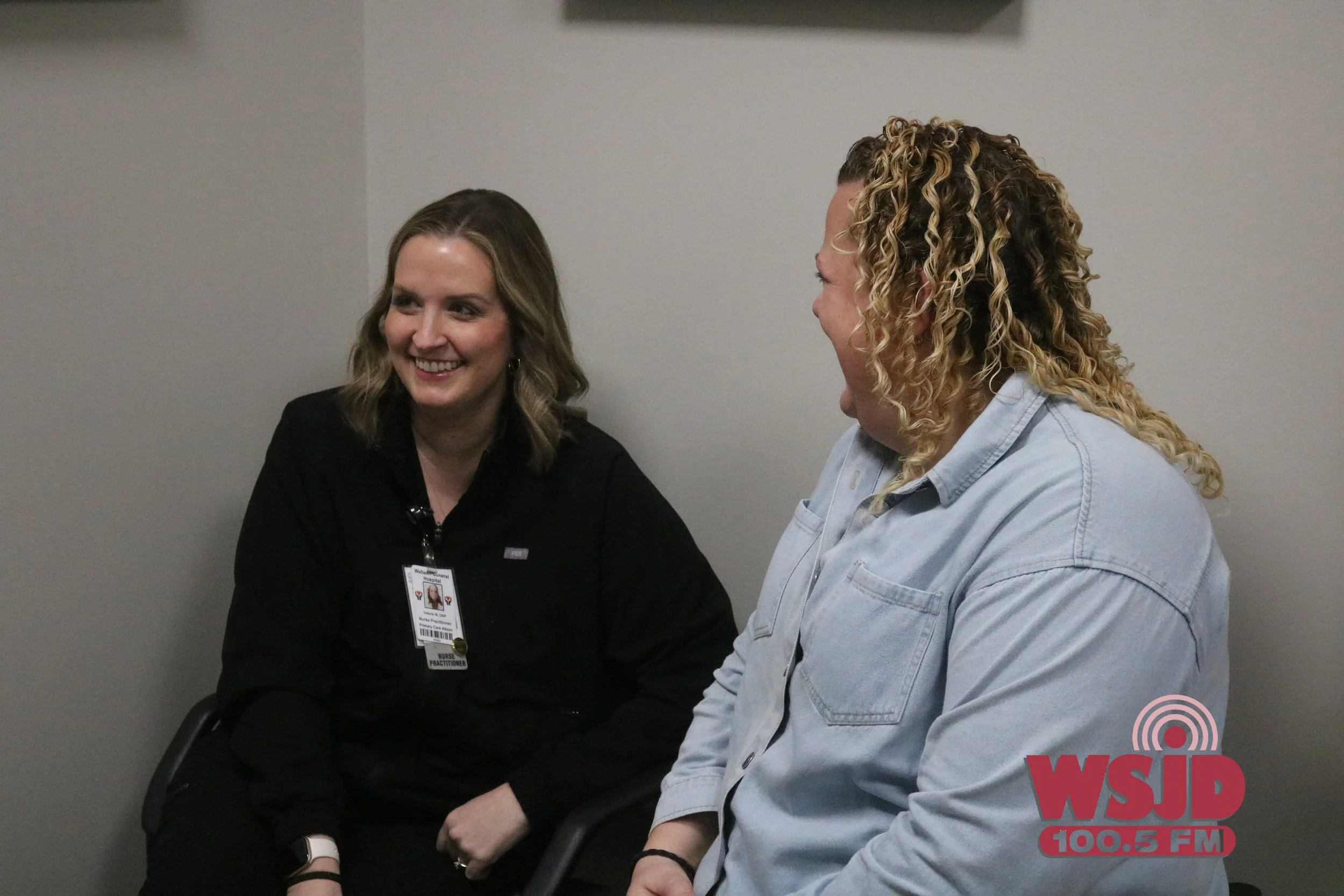
Today, the Albion clinic offers primary care, orthopedic care, chiropractic services, podiatry, lab and radiology services, and most recently psychiatric care through nurse practitioner Leanne Lear.

Turner says the hospital has continued investing in the location to expand exam space and bring additional services closer to area residents.

Thursday’s event also marked the kickoff of a year-long celebration of Wabash General Hospital’s 75th anniversary. Similar patient appreciation events are planned at other WGH locations throughout the coming year.


Illinois abortion clinics gain renewed support despite Republican, pro-life pushback 

Abortion access is strengthened through independent clinics, recent funding measures

BY SAM FREEMAN & OLIVIA ARDITO 

Medill Illinois News Bureau 

news@capitolnewsillinois.com 

Article Summary: 

  • Despite a Republican-led push for bills restricting abortion access, Illinois continues to serve as an abortion travel destination and celebrates 30 years of National Abortion Provider Appreciation Day this week.

  • Although out-of-state abortion patients are declining, Midwest advocates, like the Midwest Access Coalition and the Chicago Abortion Fund, work hard to provide financial support for patients. 

  • Beyond financial support, advocates work to coordinate the complicated logistics of interstate travel to make abortion care accessible for all who need it.

SPRINGFIELD — Two years after the overturning of Roe v. Wade, a mother of two found herself in an agonizing position. 

Abbey Hall and her husband were excited to welcome a baby girl into their family in Carmel, Indiana, but discovered, 16-weeks into her pregnancy, a defect that would make their daughter’s life unviable, with lifelong and potentially fatal health conditions. But the state that she calls home has a near-total abortion ban. 

To receive the care she needed, Hall had to travel to a Planned Parenthood clinic in Illinois. She is one of 35,000 people who were forced to travel to Illinois to find care out-of-state in 2024. 

“I felt dehumanized; I felt like a criminal,” Hall told the Indiana Capital Chronicle. “I would make the same decision 100 times out of 100.”

As Illinois marked National Abortion Provider Appreciation Day on Tuesday, states around the country and Republicans in the General Assembly persistently push for bills restricting abortion access. Abortion was a controversial issue long before Roe v. Wade was overturned in 2022, but now, four years later, patients and providers have been met with a new wave of obstacles.

National Abortion Provider Appreciation Day commemorates Dr. David Gunn, who was murdered by an anti-abortion white supremacist in 1993 in Pensacola, Florida. Established in 1996, the day recognizes those who provide care, despite facing violence and threats.

Barriers to abortion care

When seeking an abortion, hindrances to care range from state restrictions to logistical challenges, including child care and travel expenses. Since the overturning of Roe v. Wade, 13 states have implemented a near-total abortion ban, three in the Midwest.

This has forced thousands of patients, like Hall, to seek care in states that protect abortion access. In 2024, nearly a quarter of all out-of-state abortions took place in Illinois, according to the Guttmacher Institute. These numbers have since declined, likely due to shield laws that allow clinicians to prescribe and mail abortion pills directly to patients and to logistical and financial barriers. 

In 2025, Gov. JB Pritzker implemented a shield law that protects all Illinois health care workers from being prosecuted in Illinois or other states for performing abortions, even if abortions are illegal in other states. 

Read more: New laws aim to shield providers of abortion meds, ban ticketing in schools

Nonprofit organizations like the Midwest Access Coalition work to bridge those logistical and financial barriers by covering travel expenses, including flights and hotels, the cost of medical care and child care. 

“There are just a million and one things that stop people from accessing care, and that's been the anti-choice movement’s goal for the past 50 years,” said Alison Dreith, director of strategic partnerships at the Midwest Access Coalition.

The Midwest Access Coalition has also helped supply some independent clinics with physical lock boxes that hold cash for clinics to give to patients to cover immediate costs. 

“Some people don't have Cash App or Venmo, and oftentimes those apps charge fees to access that money right away, and people can't wait overnight to get the gas money to get back home or to pay their babysitter to pick up their kids,” Dreith said. 

While state restrictions pose the biggest obstacle, Illinois residents can still face similar logistical and financial barriers, for example, if they have to drive an hour or two to a clinic to receive care. 

“Not having abortion care as just a part of general gynecological or family practice medicine is such a disservice to us,” Dreith said. “It's such simple care.” 

Even something like anesthesia, which can be used in abortion procedures, may require an adult escort to ensure the patient gets home safely. A program called the Complex Abortion Regional Line for Access, or CARLA, helps coordinate trained volunteers to provide that required assistance. The program was launched in response to the overturning of Roe v. Wade, to coordinate care for people who need it.  

“This is why I became a nurse, to be able to provide care for folks who need it,” said Catherine Degen, a CARLA nurse coordinator at Rush Hospital in Chicago. 

Republican pushback 

While there are efforts to protect and expand abortion access in Illinois, some state lawmakers are pushing for increased restrictions. 

“(Planned Parenthood) will pay for an overnight or whatever, and they pay for the transportation home unless the woman changes her mind,” State Sen. Terri Bryant, R-Murphysboro,  claimed. “So if she gets here and changes her mind, she gets no help getting home, right?”


Bryant, who is one of multiple state representatives who oppose the work of organizations like the Midwest Access Coalition, has sponsored multiple bills, such as the Ultrasound Opportunity Act, which opponents claim is aimed at deterring abortions. The bill calls for providers to “offer any woman seeking an abortion after eight weeks of gestation an opportunity to receive and view an active ultrasound of her unborn child by someone qualified to perform ultrasounds.”

Dreith says Bryant’s claims are common but untrue. Whether a patient chooses to get an abortion or not, the Midwest Access Coalition supports them every step of the way. 

After Dreith drove a client from jail to an abortion clinic, the patient changed her mind, and Dreith drove her back. 

“We are not disobeying the law. We're not paying anyone to have an abortion,” Dreith said. “We're just a part of this community care network that puts people above profits.” 

State efforts to expand access

In addition to organizations like the Midwest Access Coalition, there are multiple funds to help ensure that Illinois access not only remains protected but sufficiently funded and supported. 

In January, the Prairie State Access Fund was launched, creating a $5 million, public-private partnership between Michael Reese Health Trust and the state of Illinois to support reproductive and sexual health providers. It also provides rapid-response funding to ensure clinics are staffed for both Illinoisans and out-of-state patients. 

Read more: Hytrek: As Illinois increasingly becomes destination for abortion access, a new public-private partnership emerges

The Chicago Abortion Fund is the nation’s largest abortion fund, receiving financial support from philanthropy, grassroots donors and the city, county and state. Its goal is stated as making the process of getting an abortion more dignified and compassionate by covering costs, as they consider their work as harm reduction. 

“Illinois providers and CAF are playing an outsized role in the national abortion landscape, and sustaining that role requires flexible, additive support,” said Megan Jeyifo, executive director of the Chicago Abortion Fund, in a press release. “The Prairie State Access Fund strengthens a constellation of care that has been meeting this moment for years and reinforces the networks patients rely on to access abortion with dignity and compassion.”

Still, new challenges continue to appear for health care providers and supporting organizations. In addition to Bryant’s bills, which she proposes every year. Sen. Neil Anderson, R-Andalusia, recently introduced a new bill that would classify abortion as homicide. The bill is widely unsupported, even among Republican lawmakers. 

Read more: Illinois Republican senator pushes to outlaw abortion, loses leadership spots 

Despite Republican pushback, advocates and providers maintain the need for abortion access both in Illinois and across the country. Programs like the CARLA program do this by ensuring that patients—regardless of residency—receive the care they need. 

“My hope would be that something like the CARLA program could expand to other places because I think it would be incredibly helpful for us to exist in other parts of the country,” Degen said. “We’re so happy to be here in Illinois, but it’s needed everywhere.”

Sam Freeman and Olivia Artito are graduate students in journalism with Northwestern University’s Medill School of Journalism, Media, Integrated Marketing Communications, and fellows in its Medill Illinois News Bureau working in partnership with Capitol News Illinois. 

Capitol News Illinois is a nonprofit, nonpartisan news service that distributes state government coverage to hundreds of news outlets statewide. It is funded primarily by the Illinois Press Foundation and the Robert R. McCormick Foundation.

Thousands more Illinoisans with disabilities now have access to savings accounts

ABLE accounts allow people to save more money that can be used for their care.

Article summary

  • The age of eligibility for Achieving a Better Life Experience accounts was expanded in January 2026, meaning people who acquired their disabilities before they turned 46 can now open accounts.

  • These accounts allow people with disabilities to save and invest money without risking their federal benefits. People with more than $2,000 in assets are not eligible for Supplemental Security Income.

  • Distributions from the accounts are tax-free as long as the money is used for disability-related expenses.

This summary was written by the reporters and editors who worked on this story.

By NIKOEL HYTREK
Capitol News Illinois

nhytrek@captiolnewsillinois.com

SPRINGFIELD — Approximately a quarter-million more Illinoisans with a disability are now eligible for savings accounts that allow them to save and invest money to improve their quality of life without risking their federal benefits such as Medicaid or Supplemental Security Income.

As of Jan. 1, Achieving a Better Life Experience accounts, or ABLE accounts, are available to people who acquired their disability before the age of 46. Distributions from these accounts are tax-free as long as the money is used for disability-related expenses.

The expanded program now includes approximately 6 million Americans and 800,000 veterans.

“I think this is a gamechanger for a lot of people,” Illinois Treasurer Mike Frerichs said at a news conference this week.

Account owners in Illinois may:

  • Be able to take state income tax deducations up to $10,000 if filing as an individual.

  • Save and invest up to $20,000 a year. If they’re working, they can add up to $35,650 a year.

  • Contribute up to $100,000 without affecting federal benefits, and family and friends can also contribute.

Before the ABLE program, Frerichs said, families told him they worried about saving and investing to ensure their children with disabilities would have financial security in the future because of the risk they might lose their benefits.

“We created a system that put parents in horrible positions but now we have a solution that allows them to do more long-term planning and to truly set their kids up for a better life experience,” he said.

The ABLE program was created by federal law in 2014, and the age adjustment passed in 2022 and went into effect this year. Before 2014, people with disabilities were unable to have assets worth more than $2,000 without losing access to benefits like SSI and Medicaid.

Martha Younger-White, who manages employment services and rehabilitation programs for Lighthouse Illinois, said many of Lighthouse’s clients hadn’t qualified for the ABLE program because their conditions — like glaucoma and diabetes — happened later in life.

“Many of our clients need the advantages of assistive technology, which is expensive, and in some ways they’d have to choose maybe between their transportation or their health care,” she said. “This will improve their health, their independence and quality of life.” 

“What I’ve learned and what I think so many people with disabilities know is that living with a disability just costs more,” said Stephanie Kanter, director of the Illinois ABLE program, at the news conference.

Kanter acquired her disability when she was 26, only a few months beyond the original cutoff for eligibility for these accounts. She said there were multiple ways an ABLE account could have helped her pay for expenses such as modifying her home and car for wheelchair accessibility.

“Before ABLE and before becoming an account owner, if I had a large expense in particular, I had to ask myself where that money was going to come from,” she said. If she couldn’t come up with the money, she might have to go without something that would make her life better. 

“With my account, I can now start saving and investing for these types of expenses,” Kanter said. “I already know what I’m starting to save for.”

To open an ABLE account, or to get more information, eligible and authorized Illinoisans  can go to illinoisable.com. 

Capitol News Illinois is a nonprofit, nonpartisan news service that distributes state government coverage to hundreds of news outlets statewide. It is funded primarily by the Illinois Press Foundation and the Robert R. McCormick Foundation.

Illinois Treasurer Mike Frerichs has announced expanded eligibility for ABLE accounts, which allow people with disabilities to save and invest money without risking their federal benefits. (Capitol News Illinois file photo)

Former Champ Workers Taking Advantage Of IECC Resources

Resources are being made available to help hundreds of former Champion Laboratories employees return to work after the company’s closure announcement last month.

Nearly 1,000 workers were permanently displaced when First Serv revealed plans to shut down its Edwards County operations, ending decades of manufacturing employment in the area.

On Monday’s WSJD Morning Show, Angel McGuire, Program Director of Adult Education for Illinois Eastern Community Colleges, said local agencies quickly organized to help workers transition into new careers. She says the response from displaced employees has been encouraging, with many eager to return to work or explore new training opportunities.

McGuire said the impact of the Champ is being felt in many circles...

McGuire says the effort began with a career fair in Albion, and continues with rapid response assistance now being offered through the Workforce Development Center at Frontier Community College.

She says the program connects displaced workers with job opportunities, training programs, and industry-recognized credentials through partnerships with the Workforce Innovation and Opportunity Act, WADI, and CEFS.

McGuire says workers attending the sessions can meet with workforce officials, including Southern 14 Workforce Development Board Executive Director Pam Barbees, as well as employers and IECC staff who can help guide them into new career pathways.

McGuire also noted that IECC Adult Education offers free classes and testing, allowing workers to build new skills while continuing to work.

Haubstadt woman arrested for DUI

On March 8, 2026, at 12:58 a.m.  Gibson County Deputy Wyatt Hunt conducted a traffic stop on a Gray 2026 Nissan Armada for speeding on US 41 near Fort Branch.  Upon stopping the vehicle on US 41 near County Road 925 South, Deputy Hunt approached the vehicle and detected multiple clues that the driver may be under the influence of an alcoholic beverage.  At that point Deputy Hunt began a roadside DUI investigation.  At the conclusion of his investigation he placed the driver, 47-year-old Kimberly Montgomery of Haubstadt, into custody and transported her to the Gibson County Detention Center.  Upon arriving at the detention center Ms. Montgomery was charged with Operating a Vehicle While Intoxicated. 
 
Deputy Zach Lienemann assisted Deputy Hunt in his investigation. 
 
All criminal defendants are to be presumed innocent until and unless proven guilty beyond a reasonable doubt in a court of law.

Oakland City woman arrested for possession

On March 8, 2026, at 4:35 p.m. Gibson County Deputy Wes Baumgart conducted a traffic stop on a Gold Ford Fusion for failing to maintain its lane of travel on State Road 64 near State Road 57.  Upon approaching the vehicle Deputy Baumgart detected the odor of burnt Marijuana coming from inside the vehicle and began a roadside drug investigation.  At the conclusion of the investigation 42-year-old Susan Travelstead of Oakland City was taken into custody and transported to the Gibson County Detention Center where she was charged with Possession of Methamphetamines and Possession of Marijuana. 
 
Deputies Jim Tucker and Sgt. Loren Barchett assisted Deputy Baumgart in his investigation.  Also assisting in the investigation was Oakland City Officer Ty Schmittler. 
 
All criminal defendants are to be presumed innocent until and unless proven guilty beyond a reasonable doubt in a court of law.
 

911 call of a disturbance leads to arrest of two

On March 9, 2026, at 1:23 a.m. Gibson County Central Dispatch received a 911 report of a disturbance at the Train Station Apartments located at 80 W 800 South in Fort Branch.  Deputies Levi Sims and Wyatt Hunt were dispatched to the scene and upon arriving they located both parties involved in the disturbance and began an investigation.  After collecting statements from both parties involved as well as reviewing video footage provided by a witness both 24-year-old Jacob Devoe and 47-year-old Sean Rooney of Fort Branch were taken into custody and transported to the Gibson County Detention Center where they were charged with Battery.     
 
All criminal defendants are to be presumed innocent until and unless proven guilty beyond a reasonable doubt in a court of law.
 

Evansville woman arrested for possession

On March 9, 2026, at 7:05 p.m. Gibson County Deputy Shawn Holmes conducted a traffic stop on a Gray Chrysler 200 for speeding on US 41 near County Road 600 South.  Upon stopping the vehicle Deputy Holmes identified the driver as 41-year-old Chelsea Tieken of Evansville.  During a routine check of the Indiana Bureau of Motor Vehicles Deputy Holmes discovered that Ms. Tieken’s Operator License was suspended on a prior driving while suspended conviction.  Deputy Holmes requested a tow truck be dispatched to the scene and began a vehicle inventory per department policies and procedures.  During that inventory illegal drugs were found inside the vehicle.  At that point Deputy Holmes went to Ms. Tieken’s location and read her the Miranda Warning.  During that interaction more drug paraphernalia was seized.  Once the investigation was completed Ms. Tieken was taken into custody and transported to the Gibson County Detention Center where she was charged with Driving While Suspended/Prior, Possession of Paraphernalia, and Possession of Methamphetamines. 
 
Deputy Bart Wagner assisted Deputy Holmes in this investigation.
 
All criminal defendants are to be presumed innocent until and unless proven guilty beyond a reasonable doubt in a court of law.