2026-27 School Calendar Set By District #348 School Board

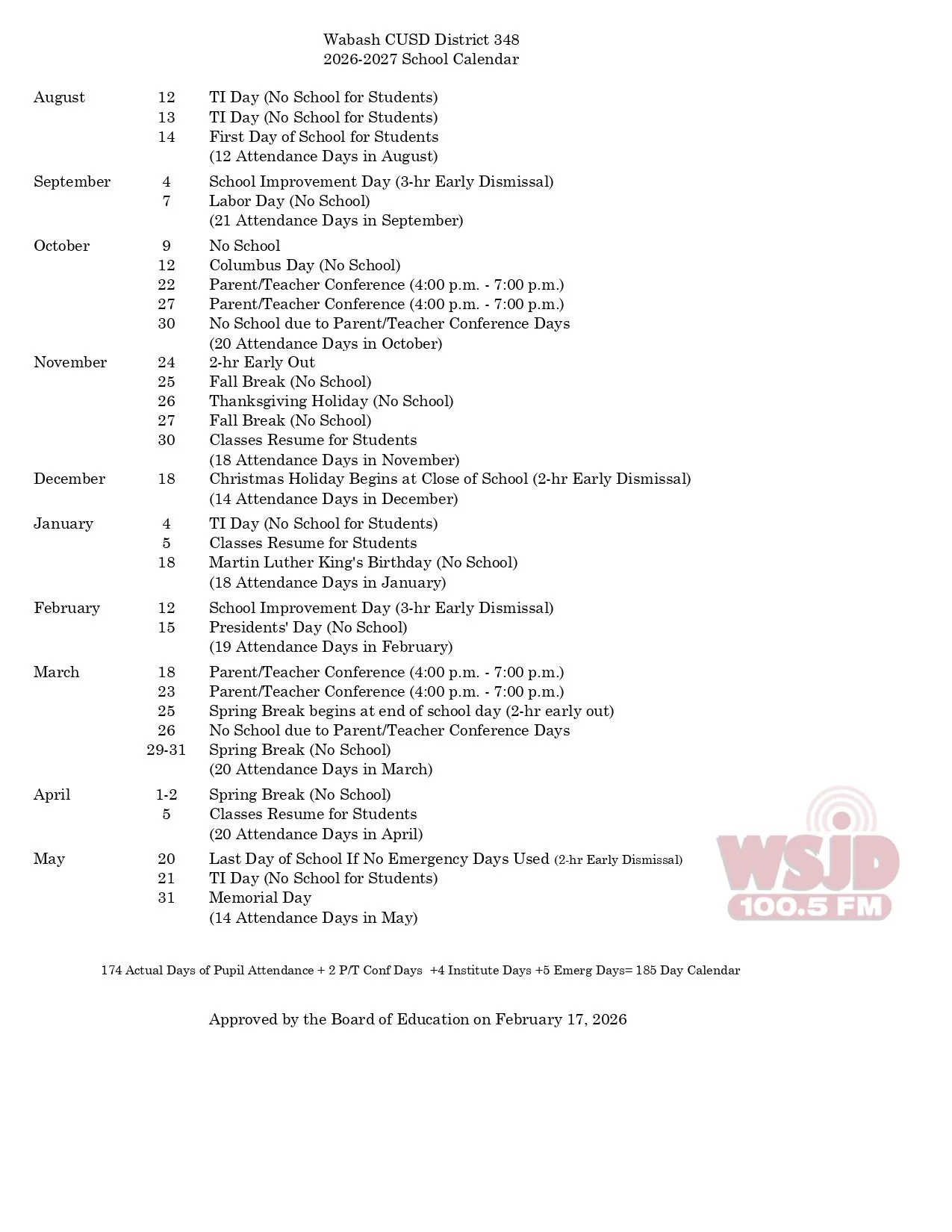
The Wabash District 348 School Board has approved the school calendar for the 2026–2027 school year.

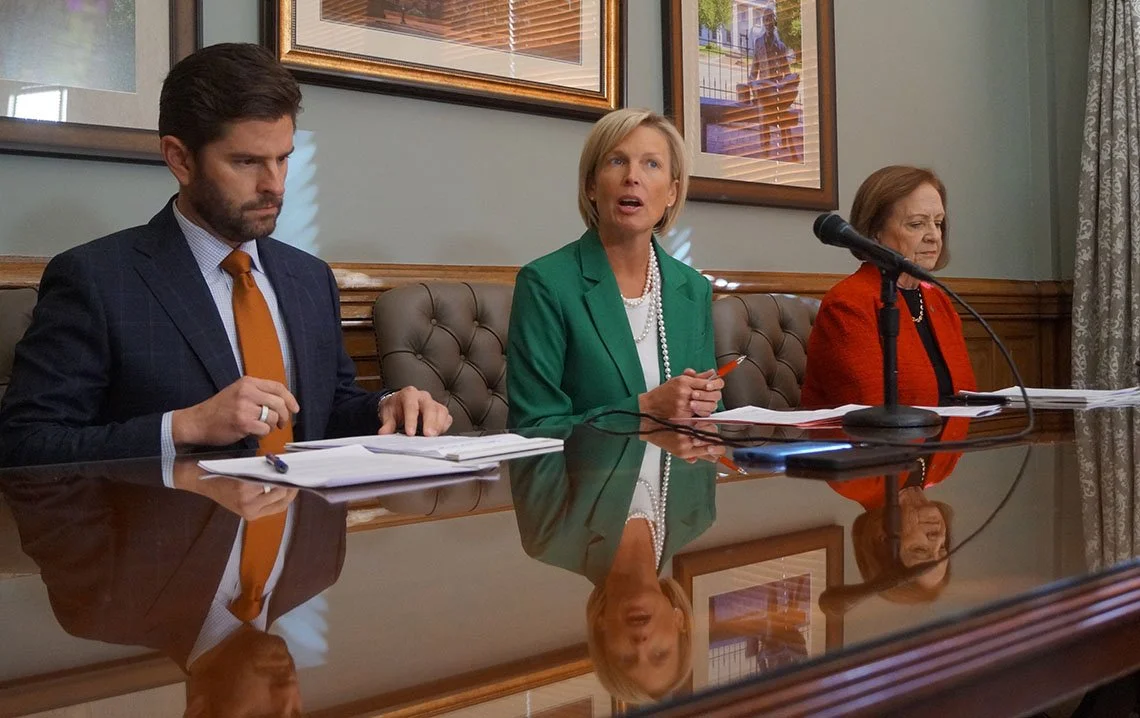
During last week’s meeting, Superintendent Dr. Chuck Bleyer outlined the proposed schedule. The school year will begin with two Teacher Institute days on August 12th and 13th, with the first day of student attendance set for Friday, August 14th.

Bleyer said the remainder of the calendar closely mirrors the district’s current schedule.

He did note one date of interest in May. The calendar currently lists May 21st as a Teacher Institute Day, but that date may change. Bleyer explained he has been in contact with county emergency management officials about planning a countywide emergency training exercise. The drill would allow first responders to practice evacuation procedures and coordinated response efforts, similar to an exercise held several years ago. If finalized, the district would adjust the calendar accordingly.

Following discussion, the board voted to adopt the 2026–2027 school calendar.

Bleyer also reported the district was forced to use four snow days during last month’s winter storm, which now pushes the last scheduled student attendance day to May 27th. Bleyer said students will attend school four additional days as a result.

Vincennes man arrested for DUI

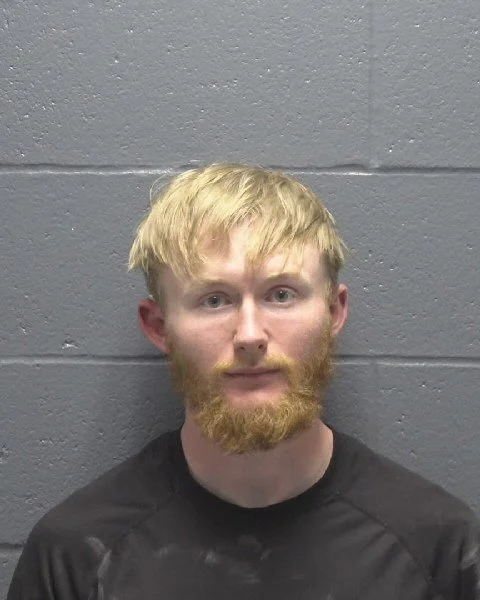
On February 20, 2026, at 11:50 p.m. Gibson County Central Dispatch received a report of an accident on US 41 near County Road 440 North near Patoka.  Upon arriving on scene law enforcement discovered that a White 2008 Chevy Silverado driven by 22-year-old Mason Harris of Vincennes had struck a Maroon Hyundai Tucson that was parked on the shoulder.  Upon speaking with Mr. Harris Deputy Levi Sims detected clues that the driver was under the influence.  At that point he began a roadside DUI investigation that resulted in Mr. Harris being taken into custody and transported to the Gibson County Detention Center.  Upon arriving at the detention center Mr. Harris was charged with Operating a Vehicle While Intoxicated. 
 
Deputy Zach Lienemann and Princeton Officer Logan Lashbrook and Landon Perryman assisted in this investigation. 
 
All criminal defendants are to be presumed innocent until and unless proven guilty beyond a reasonable doubt in a court of law.

911 call leads to arrest of Patoka man

On February 22, 2026, at 4:45 a.m. Gibson County Central Dispatch received a 911 report of a disturbance in the 200 block of West Vine Street.  Upon arriving on scene Deputies Michael Bates and Zach Lienemann began an investigation into the incident speaking to all parties involved in the incident and collecting evidence.  At the conclusion of the investigation 23-year-old Chyle Linxwiler of Patoka was transported to the Gibson County Detention Center where he was charged with Battery, Interference in the Reporting of a Crime, and Criminal Mischief. 
 
Arresting Officer Deputy Michael Bates
Assisting Officer Deputy Zach Lienemann
 
All criminal defendants are to be presumed innocent until and unless proven guilty beyond a reasonable doubt in a court of law.

Battle over data centers in Illinois pits consumer costs vs. state competitiveness

Lawmakers trying again to regulate industry as Pritzker moves to pause incentives

By GABRIEL CASTILHO
Medill Illinois News Bureau
news@capitolnewsillinois.com

Article Summary

  • The debate over how to regulate data centers in Illinois is intensifying as lawmakers struggle to balance a host of competing interests.

  • Illinois consumer advocacy groups are demanding action as electricity bills rise and data centers use an increasing amount of power.

  • Some state lawmakers want new data center projects to be responsible for renewable energy generation at their sites.

  • But data center operators warn unfavorable state policies, combined with an existing biometric privacy law, could drive them away from Illinois to places like Wisconsin or Indiana.

  • Gov. JB Pritzker has also proposed a two-year pause on state financial incentives for data centers that have been in place since 2019.

This summary was written by the reporters and editors who worked on this story.

SPRINGFIELD — The debate over how to regulate data centers in Illinois is intensifying as lawmakers struggle to balance costs to consumers and the state’s need to be competitive economically. 

Data centers house computer systems that store, process and distribute data but require large amounts of energy to power that workload. A growing number of these facilities are used to power AI.

A state report published in December projects energy shortfalls would begin in northern Illinois by 2029 and the rest of the state by 2031, driven in large part by data centers’ increased power usage. That’s led Gov. JB Pritzker to backtrack on a proposal he signed in his first year as governor to incentivize data center development in the state. 

“With the shifting energy landscape, it is imperative that our growth does not undermine affordability and stability for our families,” he said, proposing a two-year moratorium on the incentives in his budget address Wednesday. 

Illinois consumers blame data centers — which often receive generous tax incentives in Illinois — for straining the grid and driving up prices, and they want relief. But companies that operate the centers are seeking ways to build more quickly and pushing for looser regulation, arguing the centers are key to the state’s economic future.

And the state, from the governor’s office to the legislature, is struggling with ways to balance the economic interests tied to data center development with environmental and consumer cost concerns.

Read more: Lawmakers seek ways to prevent data centers from straining Illinois’ power grids

“We don’t want them to overwhelm our electrical capabilities and our water resources,” Sen. Steve Stadelman, D-Caledonia, said. “If we’re going to allow them and track them, how can we make sure it benefits Illinois residents and rate payers in the state?”

Data center negotiations continue

These are the same issues and tensions legislators hoped to address in their fall veto session. But no broad consensus was reached, and instead, Gov. JB Pritzker signed the Clean and Reliable Grid Affordability Act, adding new air regulations for backup generators used by data centers.

Lawmakers in Springfield have already begun negotiating a new round of data center regulations.

Sen. Ram Villivalam, D-Chicago, recently announced the introduction of Senate Bill 4016, known as the POWER Act, to place prohibitions on cost shifting, introduce “bring your own new clean capacity and energy,” guarantee transparent public engagement and implement water efficiency standards on data centers.

“By establishing policies that ensure data centers, not consumers, bear the increasing energy costs, and critical protections for our environment and sustainable water use, we can work toward a future built for technology to support our daily lives,” Villivalam said, “not deplete our resources and price us out of our homes.”

Read more: POWER Act: Lawmakers seek to regulate new data centers’ power, water usage | Pritzker touts Illinois’ economic development at data center groundbreaking

Environmentalists want new data centers to build their own renewable energy sources on site to prevent new projects from further stressing energy infrastructure and creating more pollution.

Pritzker said something similar earlier this month: “If they are, in any way, going to increase the price of electricity for consumers, they should pay for that increase, not the consumers.”.

The data center companies oppose such mandates, preferring a voluntary “bring your own energy” policy, according to Brad Tietz, director of state policy for the Data Center Coalition industry group.

“I think, ultimately, when you try to mandate something, you get less of it,” he said. 

States are competing to attract investments from companies that want to build more data centers as they seek an edge in the artificial intelligence race.  Illinois has the fourth-largest number of data centers — 222 — in the country, but Tietz said the state is in danger of slipping because other states have friendlier policies. 

Illinois has provided tax incentives for data centers since Pritzker signed bipartisan legislation in 2019. According to the state’s 2024 report, at least 27 data centers had received incentives totaling $983 million in estimated lifetime tax breaks and benefits. That would stop for at least two years under Pritzker’s plan.

Read more: Pritzker signs major energy reform bill amid projected shortages | As energy bill continues to take shape, a key Senate architect plans to retire

Sen. Terri Bryant, R-Murphysboro, said she would like to see “a change in our policy here in Illinois” so the state does not fall behind, though she hopes those centers bring their own energy.

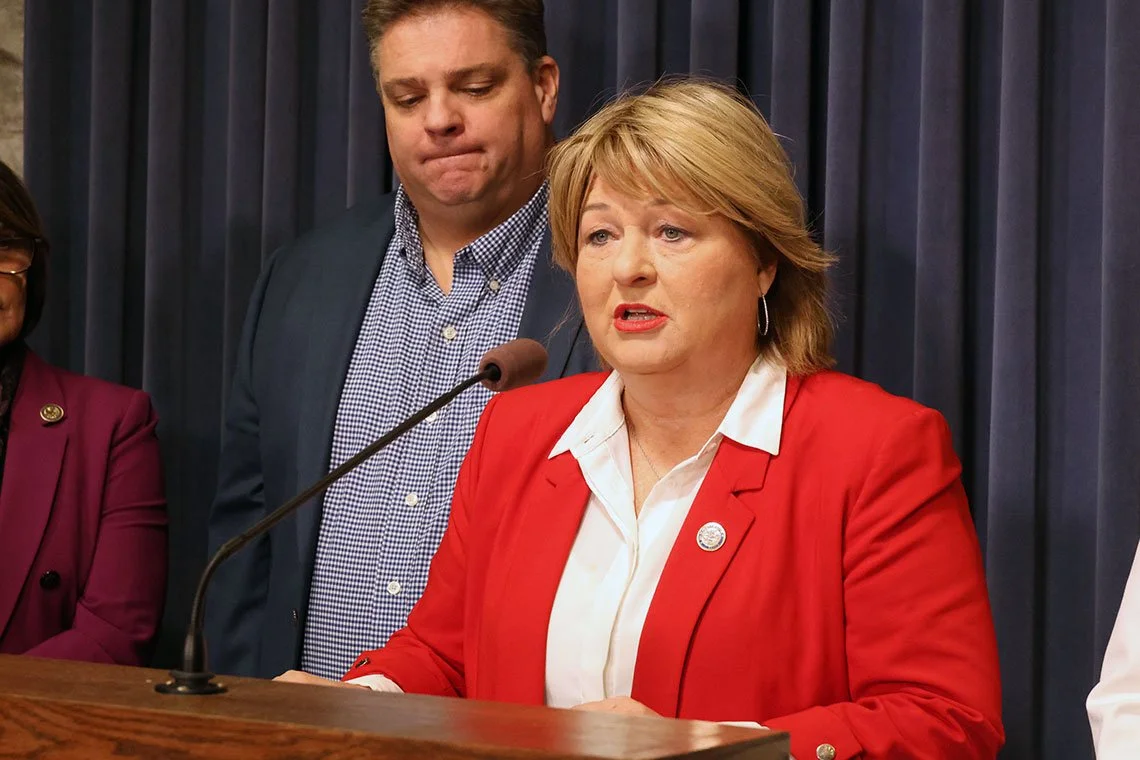
State Sen. Terri Bryant, R-Murphysboro, with State Sen. Chapin Rose, R-Mahomet, speaks on her support for data centers supplying their own energy generators. (Medill Illinois News Bureau photo by Gabriel Matias Castilho)

 “We want to be able to do that because if we don’t, China will. If we don’t, Wisconsin will, Indiana will,” she said.

‘Little type of war’

As negotiations progress, the Data Center Coalition has signified another point of contention: A 2008 law known as the Biometric Information Privacy Act that prohibits private companies from collecting personal data without informed consent. The law allows people to sue over the misuse of their biometric profile, such as fingerprint mapping, facial recognition and retina scans. 

Stadelman said the privacy protections in the act, which Illinois put in place before any other state, are at the center of a “little type of war.”

Read more: Illinois Senate advances changes to state’s biometric privacy law after business groups split

“You have privacy rights advocates saying, ‘We're a leader in the country as far as protecting people's privacy rights and protecting their data,’” Stadelman said. “But the data (centers) say, ‘We're not going to have more projects in Illinois unless you change the BIPA legislation.’”

Tietz said these regulations have factored into operators’ decisions to bypass Illinois, although lawmakers in 2024 drastically curtailed the way damages accrue and the liability private entities are likely to face if found in violation. 

Read more: Judge dismisses biometric data privacy lawsuit citing revised state law

But the data center industry wasn't satisfied, and its leaders say the legal liabilities are one reason they are building in other states.

Abe Scarr, state director of the Illinois Public Interest Research Group, said biometric information is uniquely sensitive.  

“We should know who is collecting and commercializing information created from the stuff our lives are made of,” Scarr said. “And we should have to opt into — and be able to easily opt out of — pervasive, intrusive surveillance.”

Consumer backlash

The legislative debate comes as data centers have become increasingly controversial. In January, the Aurora City Council approved a moratorium pausing new data centers. The city had five data centers in development and had been receiving requests to build more even as residents and environmental groups complained about noise, water usage and rising utility costs.

Alison Lindburg, director of sustainability for Aurora, said the city passed the moratorium because it needed time to put requirements for data centers in place. 

“We have tried to explain that to communities, that it’s not just about data centers in Aurora, it’s about the entire grid, but that doesn’t matter to them,” Lindburg said in an interview. “I think they’re just very frustrated overall with the rising electricity prices.”

Read more: With electricity price spikes coming, environmental and industry groups pitch reform | As state regulators warn of impending energy shortfalls, capacity prices rise again 

Hannah Flath, Illinois Environmental Council’s climate communications director, said other communities are also opposing data centers. 

“In that case (Aurora), the local government acted in accordance with what their local constituents were saying,” Flath said. 

Tietz said he has been in conversations with officials from Aurora about the 180-day moratorium and is hoping he can help find a solution. 

Lucy Contreras, GreenLatinos Illinois state program director, said communities should have a voice in whether, where and how these projects are built. She said developers must ensure host communities receive tangible benefits rather than bearing only the burdens of hosting these facilities.

“They contribute to air pollution and consume excessive amounts of water daily, which restrains local water systems that might already be struggling,” Contreras said. “Without strong and forceful regulations, data center expansion will deepen existing inequalities, harm public health and undermine our Illinois clean energy goals.”

Spreading the costs

Utilities are building billions of dollars of new power lines and plants to keep up with energy demand increases brought on by data centers — whether they’re built or in the process of being built. They, in turn, spread associated costs to ratepayers.

“Speculation about data center development has actually increased prices,” Sen. Bill Cunningham, D-Chicago, said. “It’s not just the immediate demand, it’s anticipated future demand, so it’s really important to sift out the wheat from the chaff on what’s a real proposal and what isn’t.”

Cunningham said he expects fellow Democratic lawmakers to work on safeguards for consumers when pending data center projects go uncompleted. 

Recently, northern Illinois utility Commonwealth Edison announced it will require a 10-year guarantee of revenues upfront from big energy consumers. ComEd said this will help protect ratepayers from bearing the costs of high-load projects and ensure, even if they don't come to fruition.

Maddie Wazowicz, Midwest Energy Efficiency Alliance policy director, said utilities function best when they can plan into the future. 

“Whether or not data centers emerge — and how much, how many of them come, where and how long they last — does complicate utility long-term planning,” she said.

Gabriel Castilho is a graduate student in journalism with Northwestern University’s Medill School of Journalism, Media and Integrated Marketing Communications, and is a fellow in its Medill Illinois News Bureau working in partnership with Capitol News Illinois. 

Capitol News Illinois is a nonprofit, nonpartisan news service that distributes state government coverage to hundreds of news outlets statewide. It is funded primarily by the Illinois Press Foundation and the Robert R. McCormick Foundation.

Princeton Man Crashes after being Clocked by Radar at 135 mph

Gibson County – Thursday night, February 19, at approximately 10:11 p.m., Trooper Marsee was patrolling US 41 near the 39 mile-marker when he observed a motorcycle traveling south at 135 mph.  Trooper Marsee attempted to stop the motorcycle, but the motorcyclist continued south at a high rate of speed. The motorcyclist lost control and crashed after turning onto CR 175 West.  The motorcyclist was identified as a 24-year-old Princeton man. He was transported to Deaconess Midtown in Evansville where he is currently being treated for serious injuries. The motorcyclist’s identity will not be released until charges are filed.

This is an on-going investigation.

Fort Branch man arrested on multiple charges

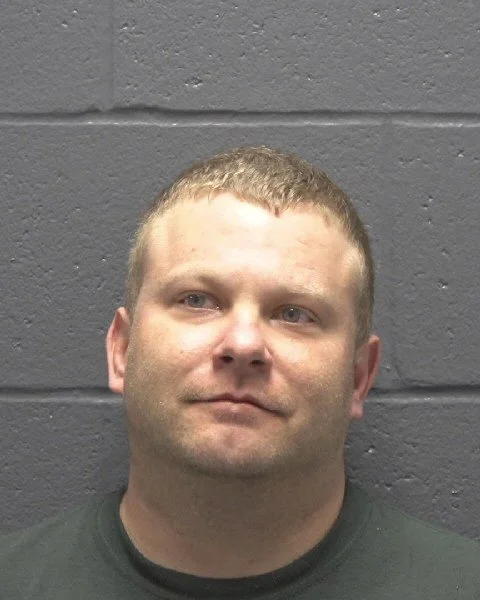
On February 18, 2026, at 8:39 p.m. Gibson County Deputy Wyatt Hunt conducted a traffic stop on a Grey 2025 Hyundai Lantra on the courthouse square after observing an equipment violation and multiple suspicious and erratic behaviors.  Upon approaching the vehicle Deputy Hunt observed multiple clues that the driver 35-year-old Joshua Hemmings of Fort Branch may be under the influence.  At that point Deputy Hunt began a roadside investigation.  During the investigation a Gibson County Ambulance responded to the scene to check Mr. Hemmings’ physical and emotional welfare. At the end of the investigation, he was transported to the Gibson County Detention Center.  Upon arriving at the detention center Mr. Hemmings was charged with Operating a Motor Vehicle While Intoxicated-Refusal, Harassment, Forgery, and Possession of a Firearm by a Serious Violent Felon.
 
Sgt. Loren Barchett and Wes Baumgart assisted Deputy Hunt in his investigation.  Also assisting were Princeton Officers Matt Perry and Jeremy Robb.   
 
All criminal defendants are to be presumed innocent until and unless proven guilty beyond a reasonable doubt in a court of law.

Voting Underway For March 17th Primary

At Tuesday’s meeting of the Wabash County Commissioners, County Clerk Janet Will provided an update on the upcoming primary election.

Will reported that vote-by-mail ballots, including permanent vote-by-mail ballots, have been mailed, along with several regular vote-by-mail ballots. Early voting is currently underway at the Clerk’s Office.

She noted that Tuesday was the final day to register to vote in person. However, residents may still register online through the 27th. Grace period voting bis now underway, allowing individuals who need to register or update their address to do so in the Clerk’s Office and cast their ballot at the same time.

Voters are reminded that the Primary Election will be held March 17th.

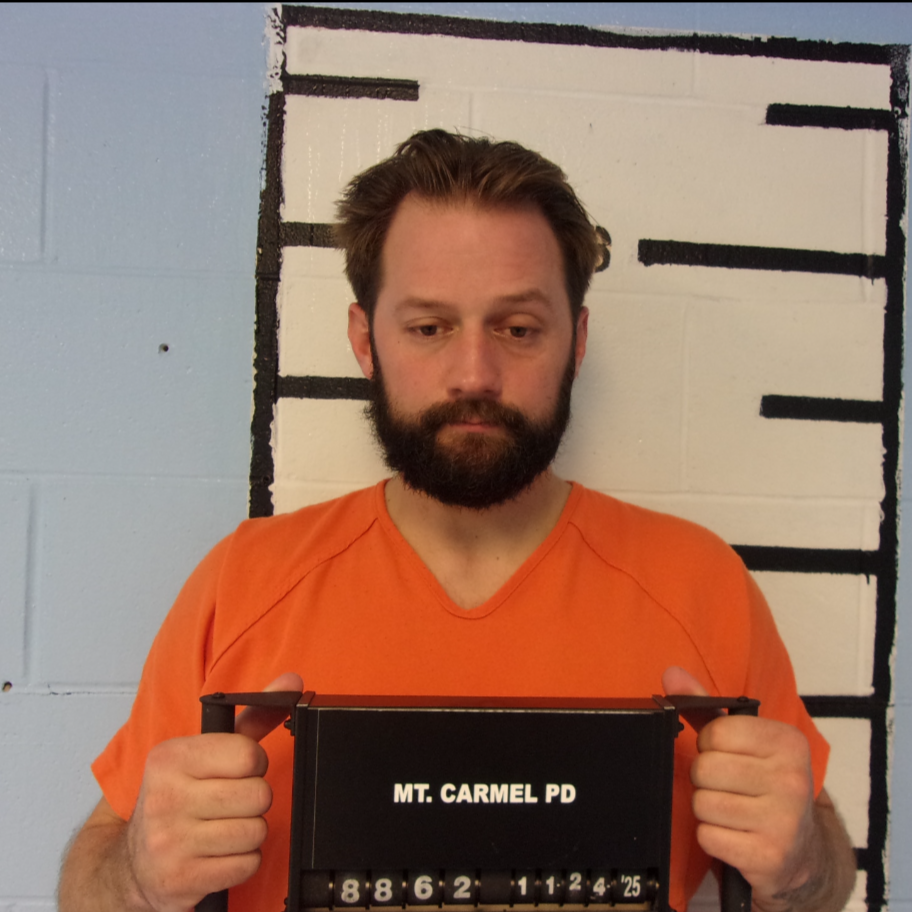
Missing Mt. Carmel Teen Located

An endangered missing person advisory issued for a Mount Carmel teenager has been canceled after he was safely located.

Illinois State Police activated the alert Thursday morning at the request of the Mount Carmel Police Department for 16-year-old Zachary K. Hedge. Authorities said Hedge had last been seen around 10 a.m. at the corner of Fifth and Cedar Streets in Mount Carmel.

Police indicated at the time that Hedge has a condition that placed him in danger and asked for the public’s help in locating him.

According to a social media post from his sister, Hedge has now been found in Tennessee. No additional details about the circumstances of his recovery have been released.

The cancellation notice states the subject has been located. Mount Carmel Police have not provided further information at this time.

Birkla Released to Treatment Under Strict Conditions

34 year old Jeremy Birkla was back in Wabash County Court Thursday for a pre-trial hearing, where a judge granted a defense motion allowing him to enter a long-term treatment in-patient facility for alcoholism.

As a result, Birkla’s jury trial previously set for March 2nd has been vacated.

Judge Denton Aud told Birkla the court was “very hesitant” and “extremely hesitant” to allow his release, but agreed under strict conditions tied to his admission into treatment. The judge warned Birkla the terms of his pretrial release will be extremely stringent and that he must fully comply with all court-ordered conditions.

Under the order, Birkla must appear in court when required, cannot violate any criminal laws, cannot possess firearms, and may not leave the state without permission,  though the court is allowing travel specifically for the approved treatment program. He must also stay away from and have no contact whatsoever with the alleged victim in the case.

Birkla is charged with aggravated domestic battery, unlawful restraint, domestic battery, interference with the reporting of domestic violence, and criminal damage to property stemming from alleged incidents in November.

Democrats offer muted praise of Pritzker’s speech, Republicans dismiss ‘campaign’ rhetoric 

Reactions largely fell along partisan lines, though there were some mixed feelings all around

By BRENDEN MOORE, NIKOEL HYTREK & JENNA SCHWEIKERT
Capitol News Illinois 
news@capitolnewsillinois.com  

Article Summary  

  • Reaction to Gov. JB Pritzker’s combined State of the State and fiscal year 2027 budget address fell largely along partisan lines as Democrats offered muted praise while Republicans dismissed his affordability message as campaign-style rhetoric.

  • Rank-and-file Democratic lawmakers acknowledged the strain from federal cuts and touted Pritzker’s efforts to protect key programs from the chopping block. But some expressed disappointment in the largely defensive posture the governor is staking out.

  • Republicans were less generous in their assessment of the budget picture Pritzker painted. But they found some items to agree on, including slightly less charged rhetoric than his 2025 speech, which was delivered just weeks into Trump’s second term.

This summary was written by the reporters and editors who worked on this story.  

SPRINGFIELD — Reaction to Gov. JB Pritzker’s combined State of the State and fiscal year 2027 budget address on Wednesday fell mostly along partisan lines. 

Democrats offered muted praise of the largely status-quo spending plan while Republicans dismissed his affordability message as campaign-style rhetoric devoid of substance.

The $56 billion budget proposal and associated legislative priorities outlined by Pritzker, including a sweeping plan to encourage homebuilding through new statewide zoning standards and a renewed effort to ban cellphones in the classroom, come amid deep uncertainty over the status of federal funding under the Trump administration. About $1 billion in funds promised to the state are currently in limbo, the governor’s office said. 

This uncertainty was a common undercurrent as Democratic elected officials offered their first impressions of Pritzker’s proposed spending plan. Republicans found few items to praise though suggested that the tone was better than last year, when Pritzker likened the return of President Donald Trump to the rise of Nazism in 1930s Germany.

Democrats offer muted praise

House Speaker Emanuel “Chris” Welch, D-Hillside, told Capitol News Illinois in an interview that Pritzker’s speech was “a State of the State that needed to be said.”

“President Trump's policies and a Republican Congress that's been absent and letting him do what he wants to do is causing the cost of living to skyrocket,” Welch said. “Groceries are going up, health care is going up, energy is going up. Everyday essentials are costing more. And you have to talk about that.”

And with more federal cuts to come, Welch said it's something lawmakers “have to consider” as they “go through this process of presenting yet another balanced budget.”

Comptroller Susana Mendoza, who is responsible for paying the state's bills, told Capitol News Illinois she plans to "stay the course" in managing her office through the latest wave of financial uncertainty in the state. The FY27 budget will mark the last that Mendoza will oversee as she leaves office 11 months from now. 

"We need to make sure that we're not adding unnecessary spending to the budget," Mendoza said. "The governor was very clear today that that's not happening in this budget. This is a very conservative budget relative to prior years, and I think it speaks to the moment that we're living in, which is a moment of unpredictability and a lack of stability at the federal level. So here at the state level, we'll continue to prioritize the most vulnerable."

Mendoza said the challenges the state faces now remind her of her ascent into office in December 2016 during the state's two-year budget impasse, when many organizations that depend on state funding were also struggling under the weight of lost government funding.

Sen. Elgie Sims, D-Chicago, told Capitol News Illinois that lawmakers are "going to make the best decisions based on the information we have." 

"Nobody can predict if there's going to be a rage tweet that happens in the middle of the night that will lead to hundreds of millions of dollars being in jeopardy," Sims said. "We can't predict that. What we can predict is our response to it being responsible in this moment and responding in a way that protects taxpayers, that protects our neighbors, that also provides the services that people so desperately need."

Managing expectations

In his role as the top budget negotiator for Senate Democrats, Sims said part of his job will be managing expectations among lawmakers and advocates who want the final product to fund their priorities. 

"We're making sure that they understand that it's not a lack of desire, it's a lack of a partner that's willing to participate with us to help make people's lives better," he said.

Rank-and-file Democratic lawmakers acknowledged the strain from federal cuts and touted Pritzker’s efforts to protect key programs from the chopping block. But some expressed disappointment in the largely defensive posture the governor is staking out.

Some progressive lawmakers want to raise taxes substantially to fill gaps in the budget and to increase funding for “critical services” like health care, child care and education.

 “This moment calls for more than simply holding the line,” Sen. Graciela Guzmán, D-Chicago, said at a Latino Caucus press conference following the governor’s 48-minute address. “These are essential infrastructure. We should not be walking away from … our commitment to protect essential services and make sure that families are not forced to choose between their health, their rent and putting food on the table.”

Sen. Javier Cervantes, D-Chicago, said the governor’s proposal includes “helpful investments” for child care assistance and early childhood programs, but expressed disappointment that it did not include an increase in the state’s Child Tax Credit.

Leaders from the Illinois Black Caucus said they appreciated the governor mentioning the affordability of housing, education and energy, but they also want to see commitment to issues affecting the Black community.

"We know that there are budget pressures, budget challenges. The White House is not doing us any favors,” said Rep. Justin Slaughter, D-Orland Park. “But with that being said, we are advocating for equity. Advocating for a budget that reflects an intentional effort to address the historical disparities that plague our black communities."

This is the start of the conversation, lawmakers added, emphasizing their commitment to affordability. Many statements issued by members of the majority party said they would review the proposal “line-by-line" and “in detail.”

Welch said he expects “about 90% of the what the governor proposed” to end up in the budget lawmakers approve this spring. But unlike Pritzker’s tax strategy of tweaking on the sides while avoiding changes to broad-based taxes, Welch intends to push for a surcharge tax on millionaires. Supermajorities in the legislature would have to approve placing a constitutional amendment on the ballot by May 5, and then voters would then have to approve it in the November election.

“I'm having meetings with advocacy groups, I'm talking to people, I'm building support for it (and) making my case with data and facts because I certainly believe that that's one of the long-term answers to what we're dealing with here in Illinois,” Welch said. 

He said he’s had “preliminary conversations” with Pritzker and Senate President Don Harmon about the revenue-generating proposal.

Republicans respond

Predictably, Republicans were less generous in their assessment of the budget picture Pritzker painted. But they found some items to agree on, including slightly less charged rhetoric than his 2025 speech, which was delivered just weeks into Trump’s second term.

"I think, like we discussed before, you know, you walk out and say, 'Well, at least we weren't called Nazis.' That's a positive step,” said House Minority Leader Tony McCombie, R-Savanna. “The love stuff was interesting and weird. And just the whole thing about the speech was about his run for president. I mean, that was apparent."   

McCombie noted the “buzzword" of the year in Springfield is “affordability.” Pritzker used it at least a dozen times in his remarks. But she said the proposals don’t match the rhetoric.

“Let's be clear about what affordability really means: It means families can pay their mortgage and their utility bill in the same month, it means seniors can stay in their homes, it means small businesses can actually keep their doors open and it means tax relief, not gimmicks or new revenue schemes," McCombie said, referring to Pritzker’s revenue plan, which includes a proposed tax on social media companies. 

Senate Minority Leader John Curran, R-Downers Grove, summed up the governor’s remarks as “less of a State of the State, and it was more of a campaign speech."

“Certainly a governor in campaign mode (and) a lot of pointing the finger at President Trump and the federal administration when the reality is we have to address Illinois' fundamentals where we lack in economic growth,” Curran said, though noting that there was “less name calling” directed at Trump in this year’s remarks.

“He did keep the rhetoric above board this year, so that's a positive step,” Curran said.

Curran also said Pritzker’s executive order to promote the development of nuclear power plants is “a positive step forward” on increasing grid capacity. Curran also said Pritzker’s proposed cellphone ban “should get bipartisan support and ultimate passage.”

GOP governor candidates

Two of the Republicans seeking to deny Pritzker a third term criticized the proposal.

Former state Sen. Darren Bailey, R-Xenia, who lost to Pritzker by 12 percentage points in 2022, said the governor “offered more government and no relief” and that “families continue to feel squeezed.”

“The governor can talk about upgrades in our credit rating, but Illinois still holds the lowest bond rating in the country,” Bailey said. “He can talk about economic growth, but families and businesses are still moving out. He can talk about new programs, but structural challenges that have plagued Illinois for decades still remain untouched.”

Former Wirepoints president Ted Dabrowski highlighted Illinois’ high tax burden, outmigration and economic growth that lags the rest of the country as signs the state of the state is not great.

“He sees things the way he wants to see them,” Dabrowski said. “I see them grounded in reality. And if you look at the last seven years, they have been miserable, they’ve been dismal under Gov. Pritzker.”

Peter Hancock and Ben Szalinski contributed.

Capitol News Illinois is a nonprofit, nonpartisan news service that distributes state government coverage to hundreds of news outlets statewide. It is funded primarily by the Illinois Press Foundation and the Robert R. McCormick Foundation.

ouse Minority Leader Tony McCombie, center, R-Savanna, is joined by Reps. Ryan Spain, R-Peoria, and Norine Hammond, R-Macomb, at a news conference Wednesday, Feb. 18, 2026, following Gov. JB Pritzker’s budget address. (Capitol News Illinois photo by Peter Hancock)