Lawmakers mull betting on internet gambling while existing industry warns it’ll fold

Proposal to legalize ‘iGaming’ comes as Illinois' still-growing sports betting market turns 5

By HANNAH MEISEL
Capitol News Illinois
hmeisel@capitolnewsillinois.com

SPRINGFIELD — In the years since the COVID-19 pandemic temporarily shut down Illinois casinos, video gambling terminals, horse racing and professional sports — just days after legal sports betting went live — the state’s gambling industry has seen an explosion in growth.

Even the state lottery, which was launched 50 years ago, has experienced an expansion in recent years after a decade of stagnation. Total state tax revenues from all sources of wagering in Illinois, including the lottery, surpassed $2 billion in the last fiscal year.

Against this backdrop, some lawmakers are pushing for Illinois to join eight other states that have legalized internet gambling, also known as iGaming. It’s a tempting possibility in a year when the state is facing a possible budget deficit and uncertainty about normally solid sources of federal funding as President Donald Trump and congressional Republicans are cheering for cuts.

While Illinois already allows sports betting on mobile apps, iGaming includes online casinos and other forms of online gambling that are currently outlawed. 

Read more: Legislative revenue estimate more than $700M lower than Pritzker’s proposed budget | Pritzker calls $55.2B budget ‘responsible and balanced’ – but warns Trump policies could upend it

State Rep. Edgar Gonzalez, D-Chicago, asked a panel of his fellow House members this week to imagine Illinois facing another financial downturn like the pandemic-recession of 2020 when Trump was finishing out his first term. That year, Illinois faced a major budget shortfall, though federal stimulus money ended up helping the state recover.

“If we had something like iGaming, we would have still had a financial fallback in spite of gross negligence by the first Trump administration,” he said Wednesday at a Capitol hearing on his proposal to legalize internet gambling. "Illinois is gambling with its financial future by delaying the adoption of iGaming.”

Proponents of Gonzalez’s House Bill 3080 point out that plenty of Illinoisans are already gambling on the internet illegally, often facilitated by overseas-based websites.

“Whether or not you choose to pass legislation legalizing iGaming, it is already here,” James Hartmann, a lobbyist for sports betting giant FanDuel, told the panel. “Right now, you can take out your phone and in five minutes, be gambling real money slot machines from the app store, unregulated and untaxed.”

Hartmann, who was heavily involved in drafting and negotiating Illinois’ legalized sports betting framework as a House Democratic staff attorney in 2019, said iGaming sites are “flooding the Illinois market” — and operating unscrupulously.

Meanwhile, FanDuel, Draft Kings and other sports betting platforms must adhere to the law’s strict requirements for age checks, problem gambling prevention notifications and other consumer protections to maintain their expensive licenses. 

“And so while these bad actors profit, none of it is being captured in tax revenue for the state of Illinois,” Hartmann said.

He and others pushing the iGaming bill claim Illinois could collect an additional $1 billion annually in taxes on internet gambling. The estimate is extrapolated from a 2024 report commissioned by the Sports Betting Alliance, an industry group that represents the four biggest sportsbooks in the U.S. 

Those mobile sports betting platforms, which operate in 31 states, Puerto Rico and Washington, D.C., are eager to expand their nascent iGaming business into more states. The Sports Betting Alliance has been running geotargeted social media ads urging iGaming legalization in recent weeks, not just in Illinois but also Maryland.

The analysis from the gambling industry consultancy firm Eilers & Krejcik estimated $775 million in state tax revenues after five years of legalized iGaming at a nearly 25% tax rate. The $1 billion figure would reflect a higher tax rate more in line with what larger casinos and sports books pay, especially after a hike in the state’s sports betting tax last year. Pritzker last month also floated a tax hike on casino table games to help fill the state’s budget gap.

Read more: Democrats tap gaming cash cow to help fill state budget gap

But opponents of legalizing iGaming — including some casinos, video gambling terminal operators and the hospitality groups that represent the bars and restaurants in which those VGTs have proliferated in the 13 years since video gambling’s launch in Illinois — warn the introduction of iGaming would prove a zero-sum game.

Indeed, the General Assembly’s fiscal forecasting arm has for years reported on the cannibalization effects that new gambling opportunities have on existing gambling outlets. In its annual study from October, the legislature’s Commission on Government Forecasting and Accountability continued to chronicle the downfall of Illinois’ once-thriving horse racing industry, in addition to noting flagging revenues from the state’s legacy riverboat casinos, the oldest of which have been in business for a little more than three decades.

While overall casino revenue in Illinois is up, that success is mainly attributable to the opening of six new casinos provided for under Illinois’ massive 2019 gambling expansion law. Additionally, Rivers Casino in Des Plaines, Illinois’ first land-based casino that opened in 2011, has also seen continued growth.

Read more: Annual report shows gains in some areas of gambling may come at others’ expense

But the state’s nine legacy riverboat casinos have seen their revenues decline “for nine consecutive years,” according to the report. Visits to casinos in East St. Louis, East Peoria and Joliet’s Harrah’s Casino have seen significant drop-off. Many of those casinos would be even worse off if it weren’t for sportsbook partnerships entered into during the thick of the pandemic, when the type of in-person betting that was provided for under the law was not allowed.

The Illinois Gaming Board opposes the bill due to the agency’s own struggles to keep up with its existing regulatory responsibilities and the General Assembly’s lack of motion on banning so-called “sweepstakes machines,” which are similar to video gambling terminals but operate in a legal gray area.

Read more: Jury convicts politically connected businessman for bribing pair of lawmakers

Jay Keller, a contract lobbyist for Penn Entertainment Inc., noted the company has spent $600 million in recent years enhancing and expanding its casinos in Aurora, Joliet and Alton — an investment “made with the understanding that Illinois’ gaming landscape would remain stable,” he told lawmakers.

"The economic impact of iGaming is uncertain, but the potential negative consequences are clear: The proliferation of online gaming could reduce in-person casino traffic, threatening jobs, lowering the economic benefits to local communities and ultimately discouraging future investments in the state,” he said.

Penn also operates video gambling terminals throughout Illinois and sportsbooks at all three of its casinos, including mobile sports betting via the casino in Aurora. Keller noted that roughly half of Illinois casinos are on Penn’s side opposing iGaming, while the other half are in favor of legalizing it.

Though one major labor union, the Chicago-based International Brotherhood of Electrical Workers Local 134, supports legalizing iGaming, another influential union is opposed. 

Marc Poulos, the executive director of the labor-management group for the International Union of Operating Engineers Local 150, warned against any move that might jeopardize funding for state infrastructure projects, which provide jobs for Local 150 members.

“Every study that we have looked at shows that iGaming would cannibalize existing gaming positions, mainly video gaming terminals,” he told the panel.

A study published last month, commissioned by the National Association Against iGaming, warned that if Illinois legalizes internet gambling, the state could lose $252.5 million in direct casino tax revenues and 4,733 jobs, taking into account the gambling industry’s adjacent hospitality industry.

Though the study concluded that land-based casinos underperformed expected growth in states where iGaming has been legalized, internet gambling proponents disagree.

“iGaming brings new customers to casinos,” Sports Betting Alliance President Jeremy Kudon told lawmakers, saying the threat of cannibalization has become a mythical “Loch Ness Monster.”

Another report the Sports Betting Alliance commissioned last year found that of Illinois survey respondents who participated in either illegal iGaming or placed online bets while traveling to a state where it’s legal, 23% said they visited casinos more after they began iGaming. However, 54% said the frequency of their casino visits stayed the same, while 19% said they didn’t go as much.

Additionally, Michael Pollock of the New Jersey-based consultancy firm Spectrum Gaming Group said “two immutable laws of human nature” will still attract people to casinos.

“One is that people like games of chance, and two is that people enjoy being in social settings,” he said.

Trevor Hayes, an executive with Caesars Sportsbook, which operates in partnership with Elgin’s Grand Victoria Casino, agreed, saying his company has found iGaming is "actually a marketing tool” for brick-and-mortar casinos to “find new customers – younger customers.”

But that’s exactly what some opponents worry will happen, creating a new class of problem gamblers.

A Tulchin Research survey published this week of 800 Illinois voters last month found 71% believed online gambling is more addictive than betting at casinos or other brick-and-mortar establishments. Seventy-seven percent of survey respondents agreed with the sentiment that “lawmakers should look for better ways to balance the state budget than expanding mobile gambling in Illinois.”

The October report from the legislature’s economic forecasting commission estimated that in the last five fiscal years, the per-capita amount spent on gambling and lottery tickets in Illinois has increased from $325 to $560 annually, driven primarily by the explosion of video gambling terminals in Illinois and sports betting.

Illinois’ sports betting market is now second in the nation behind New York in terms of overall sportsbook revenue, according to a report published last month by the American Gaming Association.

And Illinois’ video gambling terminal industry is far and away the largest of any state with legal VGTs; a whopping 48,176 machines were in operation at bars, restaurants, dedicated gaming cafes, truck stops and the state fairgrounds in Springfield as of the end of last fiscal year in June.

Ivan Fernandez, director of the Illinois Gaming Machine Operators Association, which represents the VGT industry, warned that, unlike video gambling and casinos, iGaming presents a more dangerous risk of addiction. He urged lawmakers to follow other states that have rejected bids for iGaming legalization in recent years.

“They declined to authorize putting online casino gambling at people's fingertips on millions of cellphones, tablets and computers available 24 hours a day, seven days a week, when people are most vulnerable,” he said. “When they're alone or in isolation and within the close reach of minors, without regard for local authority or any reasonable time or spending limits.”

This week’s hearing yielded no vote, as it was purely informational, but the House Gaming Committee’s chair, state Rep. Dan Didech, D-Buffalo Grove, indicated there would be a long road ahead for any iGaming legalization bid, calling opponents’ concerns “well-founded.” 


Capitol News Illinois is a nonprofit, nonpartisan news service that distributes state government coverage to hundreds of news outlets statewide. It is funded primarily by the Illinois Press Foundation and the Robert R. McCormick Foundation.
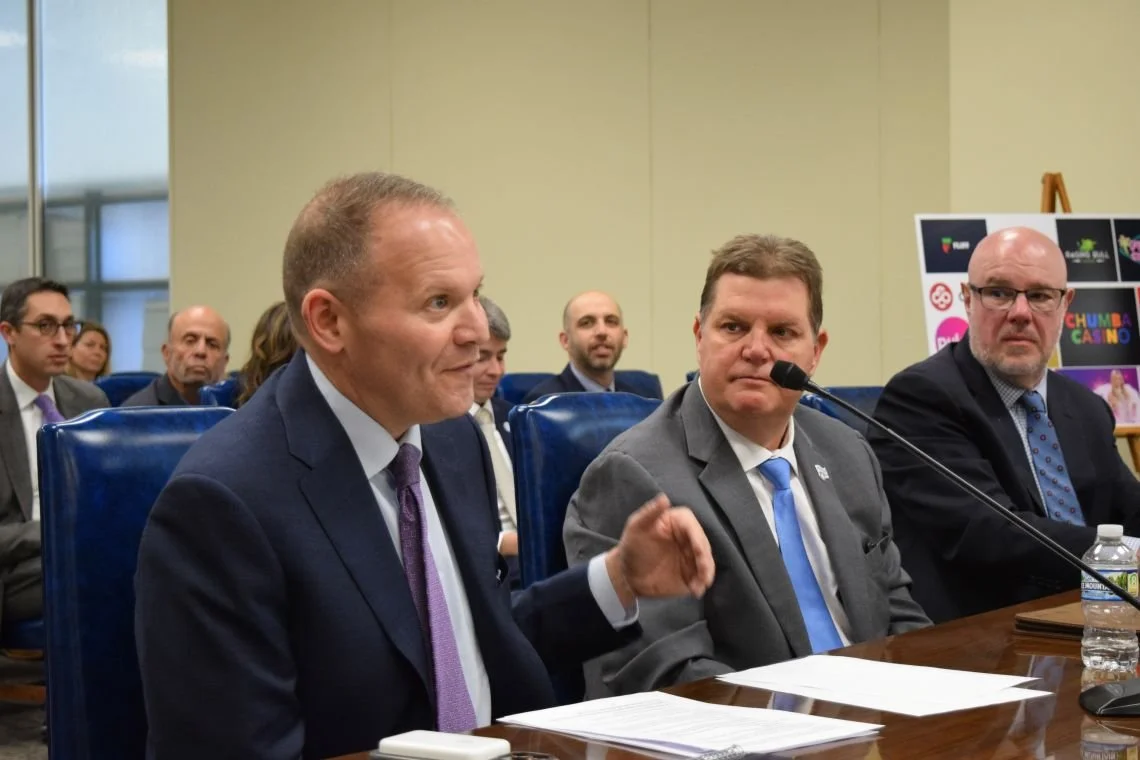
Jeremy Kudon, president of the Sports Betting Alliance, testifies in front of the Illinois House Gaming Committee in Springfield this week in favor of legalizing internet gambling, also known as iGaming. Sportsbooks like FanDuel and DraftKings are eager to expand their nascent iGaming business into more states and claim Illinois could see a revenue windfall from the industry. But opposition is stiff. (Capitol News Illinois photo by Jade Aubrey)
Alcohol Compliance Checks Coming To Local Establishments

Prom season is right around the corner and the Wabash County Health Department’s Drug Free Communities division with working with local police to crack down on underage drinking. At Wednesday’s health board meeting, Tristan Barbre said one of the main underlying issues with underage drinking is how easily teens can buy booze…

Barbre said parents are the second biggest source of buying alcohol for their kids.

Haubstadt man arrested for DUI with Prior Conviction

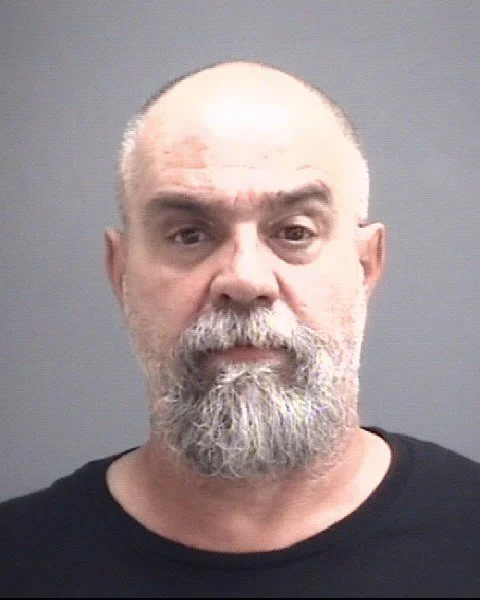
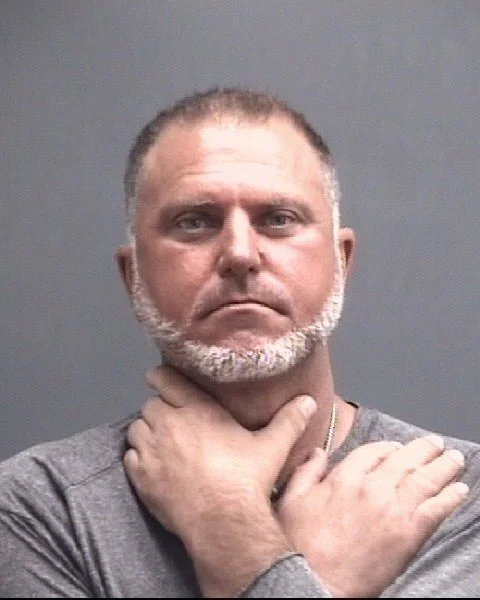
On March 15, 2025, at 2:56 p.m. Gibson County Special Deputy Zach Lienemann observed a Silver 2012 GMC Sierra fail to maintain its lane of travel and nearly hit another vehicle head on while traveling West on State Road 168.  Deputy Lienemann and Deputy Bart Wagner conducted a traffic stop in the Huck’s parking lot at the intersection of State Road 168 and US 41.  Upon approaching the vehicle Deputies observed an open container of alcohol and observed obvious clues of impairment coming from the driver 51 year old Scott Reid of Haubstadt.  At that point Deputy Wagner began a roadside DUI investigation that resulted in Mr. Reid being taken into custody and transported to the Gibson County Jail.  Upon arriving at the jail Mr. Reid was charged with Operating a Vehicle While Intoxicated With a Prior Conviction Within 7 Years. 
 
Assisting Deputy Wagner and Lienemann in their investigation were Deputies Michael Owens and Wyatt Hunt. 
 
All criminal defendants are to be presumed innocent until, and unless proven guilty beyond a reasonable doubt in a court of law.

Wabash Valley College and Wabash General Hospital Host Annual Health Professionals Day

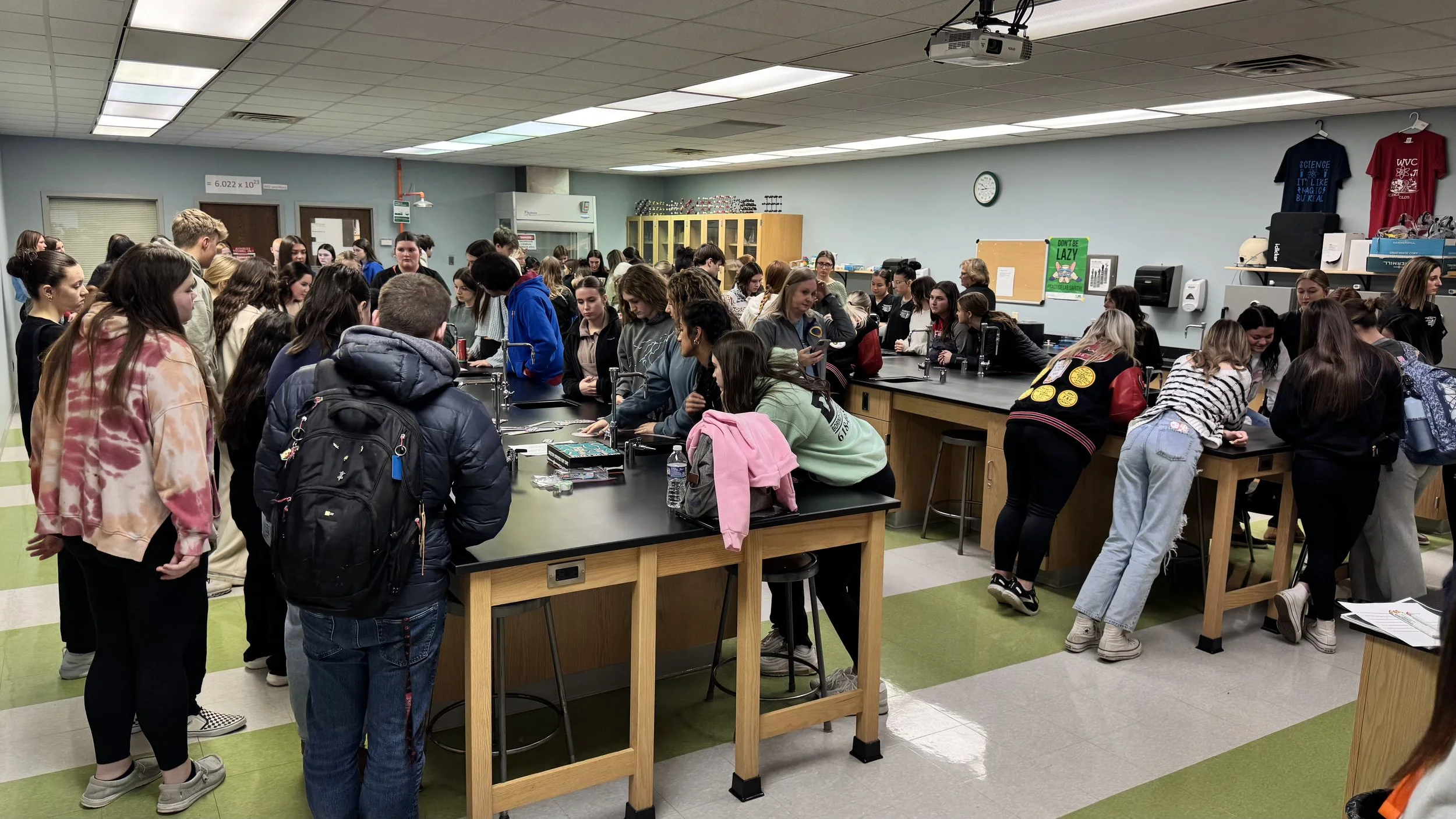
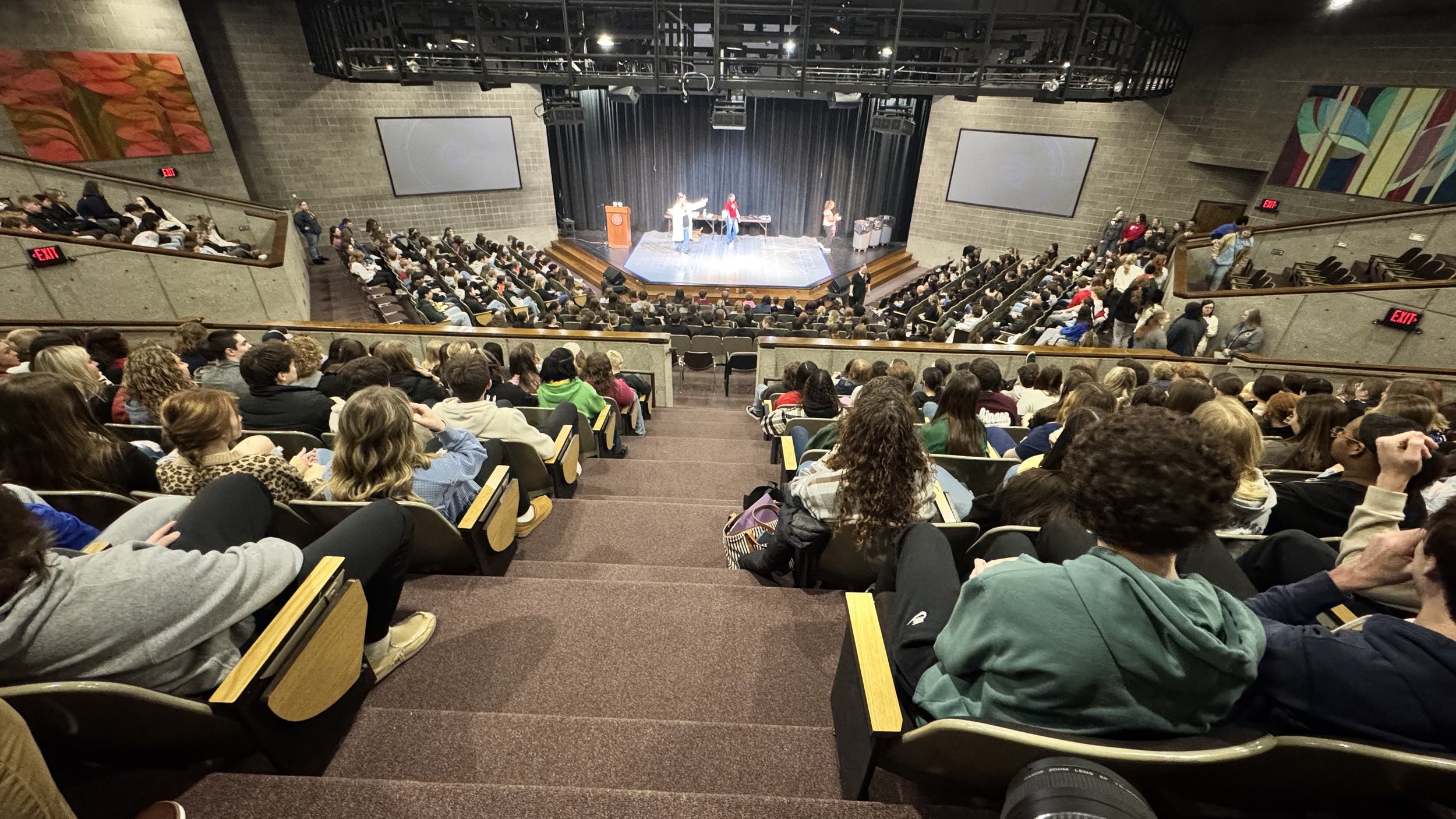
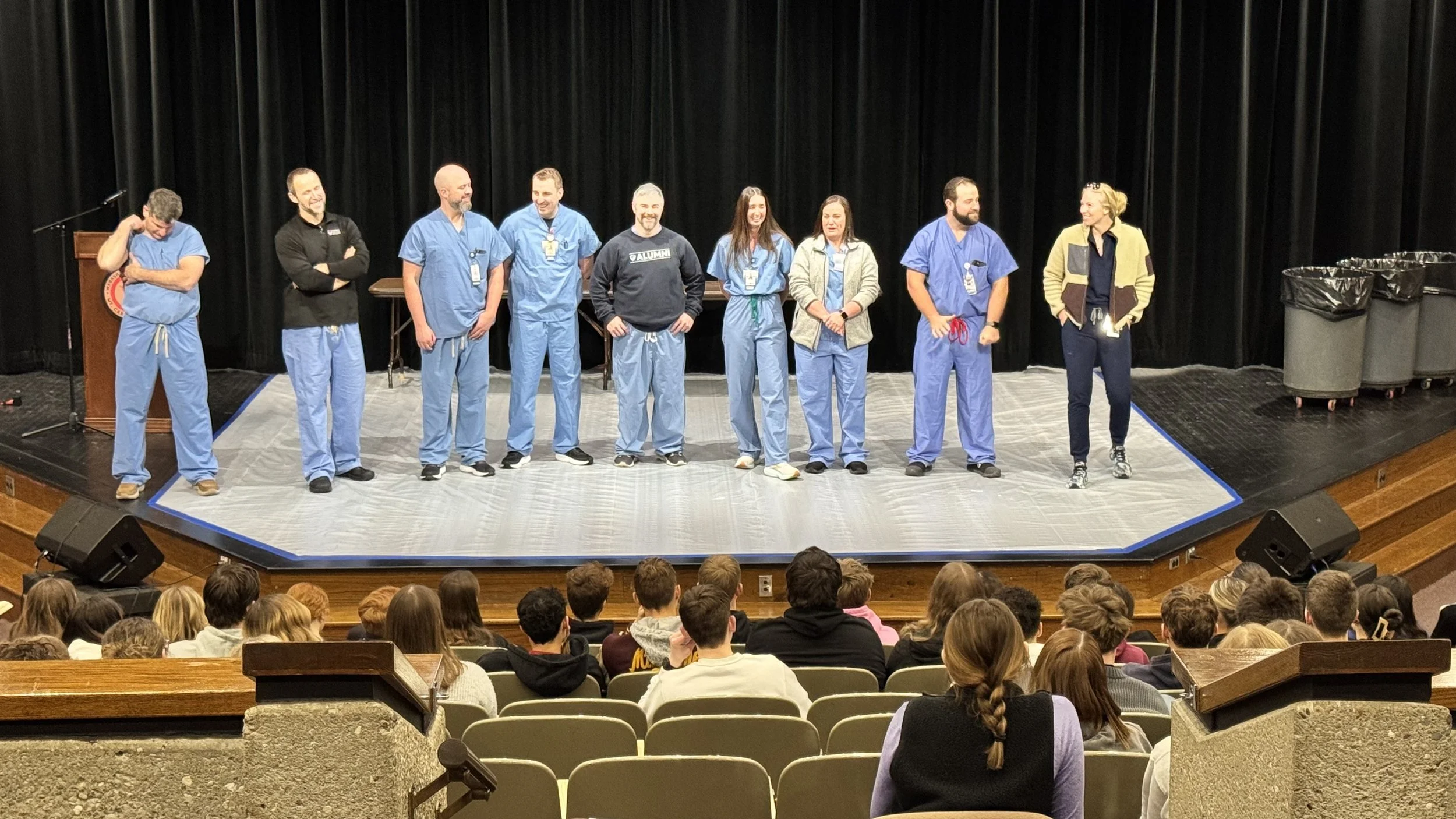
On Friday, February 21st, Wabash Valley College welcomed over 500 high school students from the area to the Brubeck Theatre for its Annual Health Professionals Day. The event gave students a unique opportunity to explore careers in the medical field, engage with healthcare professionals, and gain hands-on experience.

A major highlight of the day was the live surgical demonstration, featuring a cadaver limb provided by Arthrex. Many students described it as an eye-opening experience that deepened their interest in medicine. One student remarked, “I thought it was going to be more of a fake surgery, not a real leg!” Others said that seeing a real procedure up close was “incredible” and “something they will never forget.”

In addition to the surgery, students had the chance to interact with cadavers in the lab, which proved to be another favorite experience. One participant shared, “I saw a cadaver for the first time, and it was really cool that we were allowed to touch them.” Others found it especially beneficial to learn about anatomy in such a hands-on way.

The event also featured breakout sessions covering various medical fields, including emergency services, laboratory work, respiratory therapy, rehabilitation services, athletic training and sports medicine, surgery, nursing, and radiology. Many students appreciated the opportunity to engage directly with professionals, ask questions, and explore different career paths. One student reflected, “Hearing from real healthcare workers and being able to ask questions about their experiences was so helpful.” Another said, “The emergency services session was amazing—I really liked seeing a real-life scenario play out.”

Wabash Valley College President and IECC Vice-Chancellor of Student Affairs Dr. Matthew Fowler emphasized the event’s impact, stating, “What an opportunity students had to see and hear firsthand from leading professionals in the healthcare field today at Health Professionals Day. It’s certainly a blessing to partner with Wabash General Hospital to strengthen our community in this way.”

Dr. Justin Miller, Orthopedic Surgeon at Wabash General Hospital, echoed the importance of exposing students to the medical profession: “I didn’t know anybody who was an orthopedic surgeon or had gone to medical school when I was their age. I didn’t even know what questions to ask. I love having the opportunity to give students tips and tricks that I wish I had known at their stage in the game.”

Heather Greenwood, Director of the Southeast Illinois Area Health Education Center at Wabash General Hospital, highlighted the event’s significance: “We had students from two hours away. There’s nothing like this in the state of Illinois, and the fact that we can invite students from as close as five minutes away or as far as two hours away to fill the campus is a truly unique opportunity that not many high school students across America have. It’s a diamond in the rough, and for it to happen in a small town like Mount Carmel—it’s really amazing.”

Thanks to the collaboration between Wabash Valley College, Wabash General Hospital, Southeast Illinois AHEC, and support from professionals across the IECC district, this year’s Health Professionals Day was a resounding success. Students left the event inspired, informed, and eager to pursue careers in the healthcare industry.

Don’t count on a four-leaf clover ​ to keep you safe this St. Patrick’s Day

SPRINGFIELD – The Illinois Department of Transportation, Illinois State Police and local law enforcement remind you to plan ahead for a sober ride home before partaking in any St. Patrick’s Day celebrations. When you know how you’ll get home after the revelry ends, you – and those around you – are more likely to end the night safely with your luck intact.

“Don’t push your luck this St. Patrick’s Day by driving impaired,” said Stephane B. Seck-Birhame, IDOT’s bureau chief of Safety Programs and Engineering. “Plan ahead for a safe celebration and don’t let anyone get behind the wheel if they’ve been drinking or using drugs. Take their keys away and make sure they have a safe ride home. It might be the difference between a memorable celebration or a tragedy that could have easily been avoided by making the right choice.”

Through March 18, ISP and local law enforcement will be conducting various enforcement operations, including roadside safety checks, seat belt enforcement zones and dedicated patrols. These efforts will focus on enforcing DUI laws, seat belt compliance, speeding, distracted driving and other traffic safety violations.

“St. Patrick's Day is considered one of the top drinking holidays,” said ISP Division of Patrol Col. Chris Owen. “It is also a time when we see a higher number of drunk and impaired drivers. ISP troopers will be actively patrolling for intoxicated drivers, so make sure you have a plan to get home safely if you drink, or your luck could run out."

Follow these simple steps to enjoy a safe St. Patrick’s Day.

If you are hosting a party:

  • Remember, you can be held liable and prosecuted if someone you served is involved in an impaired driving crash.

  • Make sure all your guests designate their sober drivers in advance or help arrange ride sharing with other sober drivers.

  • Serve plenty of food and non-alcoholic beverages.

  • Keep information on cabs and ride-sharing services handy. Take keys away from anyone who is thinking of driving impaired.

If you are attending a party:

  • Designate your sober driver before the party begins and give that person your car keys.

  • Ask a sober friend or family member for a ride, call a cab, take public transportation, use a ride-sharing service or stay where you are until you are sober.

  • Never let a friend leave your sight if you think they are about to drive impaired.

  • Always buckle up – it is your best defense against an impaired driver.

The St. Patrick’s Day “Drive Sober or Get Pulled Over” and “Click It or Ticket” campaigns are made possible through federal funds administered by IDOT and coincide with the comprehensive “It’s Not a Game multimedia campaign.

Outdoor weather siren update

The Gibson County Sheriff’s Office and Emergency Management Agency of Gibson County want to make citizens of the Gibson County aware that three of the county’s outdoor weather sirens are not in proper working order.  These sirens are on the South, East, and West sides of Princeton.  Gibson County EMA Director Stephanie McKinney has been in contact with the county’s contracted company that services and maintains the sirens with the issues. 
 
The Sheriff’s Office as well as the county EMA encourage citizens to have at least two other sources to obtain weather alerts beside the weather sirens.  Cell phones, weather radios, television, and traditional radio are all great resources in obtaining weather related alerts.  Citizens are cautioned not to rely on the outdoor weather sirens as they designed to be heard outdoors, and you may not be able to hear the siren indoors or while asleep.
 
Finally the Indiana Department of Homeland Security has these Tornado Safety Tips:
 

  • Identify safe places to shelter. For optimal protection, choose basements, storm cellars and inner rooms away from doors, windows and outer walls.

  • If you live in a mobile or manufactured home, identify an alternative shelter such as a single-family home, designated tornado shelter or building built with reinforced concrete. Also, find the best route to this shelter and practice how long it takes to get there.

  • During tornado warnings, move to the lowest level of a sturdy building. It is best to go to a basement, safe room or storm cellar. If unavailable, use an interior room or hallway without windows.

  • Stay out of damaged buildings until they have been inspected and cleared by a building official.

 
As always be mindful of continuing changes in the weather.

If you notice that a siren did not go off in your area please contact the Gibson County Emergency Management Agency Office or the Gibson County Commissioner's Office.  

Anti-bullying legislation filed in Springfield

Concerns by a parent in State Representative CD Davidsmeyer’s district has resulted in the Jacksonville Republican filing legislation that amends the Courses of Study Article of the School Code. In provisions concerning bullying prevention, it provides that “policy on bullying” means a bullying prevention policy that is age and developmentally appropriate.

Davidsmeyer explained to colleagues in committee that his amendment to the bill clarifies that what they are teaching on bullying must be age appropriate and not the policy itself being age appropriate.

Illinois law requires each school district, charter school and non-public, non-sectarian elementary school to create, maintain, and implement a policy on bullying, which must be filed with the State Board of Education. House Bill 1411 now moves on to the full House of Representatives for debate.

Evansville Parents Arrested for Neglect after Traffic Stop on I-69

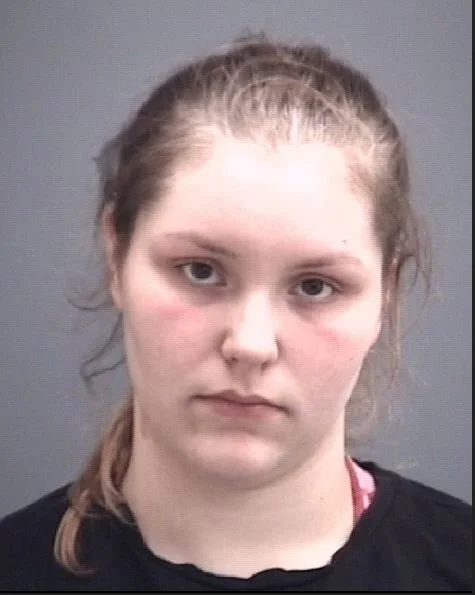
Gibson County – Wednesday night, March 12, at approximately 9:18 p.m., Trooper Hurley stopped the driver of a Chevrolet Impala on I-69 near the SR 168 exit for not having a front bumper and for a defective taillight. When Trooper Hurley approached the vehicle, he detected an odor of burnt cannabis and observed a glass smoking device containing suspected marijuana on the center console. The driver was identified as Trinity Duncan, 21, of Evansville. She also displayed signs of impairment. The passenger was identified as her boyfriend, Christopher Conlee, 23, of Evansville. Trooper Hurley also observed their two small children in the rear passenger seat. A loaded pistol with a 30-round magazine was also located on the floor in the rear passenger area. Further investigation concluded that Duncan was intoxicated. Duncan and Conlee were both transported to the Gibson County Jail where they are currently being held on bond. The Indiana Department of Child Services took custody of the two children. Toxicology is pending.

Arrested and Charges:

  • Trinity Duncan, 21, Evansville

  1. Operating a Vehicle While Intoxicated with a Passenger Less than 18 years of age, Level 6 Felony

  2. Neglect of a Dependent, Level 6 Felony

  3. Possession of Marijuana, Class B Misdemeanor

  4. Possession of Paraphernalia, Class C Misdemeanor

  • Christopher Conlee, 23, Evansville

  1. Neglect of a Dependent, Level 6 Felony

  2. Possession of Marijuana, Class B Misdemeanor

  3. Possession of Paraphernalia, Class C Misdemeanor


Arresting Officer: Trooper Tanner Hurley, Indiana State Police

Assisting Officers: Trooper Cummings and Trooper Kincaid

Semi driver arrested for OWI

On March 12, 2025, at 3:38 p.m. Gibson County Central Dispatch received a 911 report of a Semi facing eastbound in the westbound lanes of Interstate 64 near the 29 mile marker. Deputy Eric Powell was dispatched to the scene and upon arriving he found a Blue Freightliner Semi with a box trailer attached sitting partially in the fast lane of travel of westbound traffic.  Haubstadt Fire and an ambulance were also dispatched to the scene to treat a possible patient and to assist in removing oil and debris from the roadway.  Deputies with the Gibson County Sheriff’s Office and Haubstadt Police Department assisted in traffic control during the investigation of this incident. 
 
While investigating this incident Deputy Powell located the driver 55 year old Shawn Kemble of North Richland Hills, Texas.  While speaking with Mr. Kemble Deputy Powell detected clues that the driver was under the influence of an unknown intoxicant.  At that point Deputy Powell and Indiana State Trooper Tanner Hurley began a DUI investigation.  At the conclusion of the investigation Mr. Kemble was placed into custody and transported to the Gibson County Jail where he was charged with Operating a Vehicle While Intoxicated. 
 
Also assisting in this investigation were Deputy Wes Baumgart and Haubstadt Officer Bryan Munnier. 
 
Preliminary findings on scene indicate that Mr. Kemble’s Freightliner struck the Interstate 64 Bridge over Interstate 69 on the north side of the roadway.  The semi continued down the concrete bridge where it then crossed the median and came to rest partially in the westbound lane. 
 
 
All criminal defendants are to be presumed innocent until, and unless proven guilty beyond a reasonable doubt in a court of law.

Illinois schools turn to retirees, substitutes, outsourcing & state grants to combat prolonged teacher shortage

Annual educators’ survey showed lack of applicants, salary issues and poor working conditions among main causes
By Jessie Nguyen, Jordan Owens and Medill Illinois News Bureau

SPRINGFIELD – From hiring retired educators to adjusting class offerings, Illinois schools are relying on a variety of short-term, innovative measures to cope with a prolonged and critical statewide teacher shortage. 

The most recent survey of education leaders from the Illinois Association of Regional Superintendents of Schools, or IARSS, shows overall shortage percentages similar to pre-pandemic levels, yet school districts are still struggling to ease less-than-optimal student-teacher ratios. 

“For our school districts throughout the state, (the teacher shortage) is not universally created everywhere. It looks different in every place, but I think everybody believes – or at least feels like – it's a challenge,” said Gary Tipsord, IARSS Executive Director. “So let's accept that as a reality, and then that will allow us to best solve this sustainably.”.

This is the eighth year the IARSS has partnered with Goshen Consulting to produce the report.

Of more than 750 schools surveyed this year, 87% said they have a “minor, serious or very serious (shortage) problem.” The report also found that 91% of schools said they struggle to hire substitute teachers, while 65% said more than half of teacher candidates don’t have the proper credentials for the teaching positions they’re applying to.

“I think the biggest impact that (the shortage) has is on teacher morale. If there aren’t enough people to do all of the jobs, then those of us who are committed and dedicated to what we do automatically do more,” said Gretchen Weiss, a special education teacher at Macomb Middle School in West Central Illinois. 

Illinois had roughly 140,000 teachers for the 2023-2024 school year, according to a report by the Illinois State Board of Education. This number has grown every year since the implementation of Evidence-Based Funding, or EBF, in 2018. The student-teacher ratio was 17:1 in 2024 at both the elementary and high school levels, a steady decrease from roughly 19:1 in 2016.

The IARSS 2024-25 teacher shortage survey found that while alternative teaching methods helped districts see an increase in the number of educators, the shortage persists due to a lack of new teachers entering the profession.

School leaders surveyed said a limited applicant pool, compensation issues and “poor working conditions” are among the main causes of the shortage, though Tipsord said the term “working conditions” is broad and its meaning can vary from one respondent to another.

“When people talk about working conditions … that potentially means something different to every teacher or every district or every building,” Tipsord said. “I don’t know that we’re in a good space to truly understand that yet, and I think that’s the place where we need to continue to dig.”

Pandemic

In 2020, Illinois schools, like others across the country, were hit with temporary school closures due to the COVID-19 Pandemic. 

Rachael Mahmood, a teacher at Georgetown Elementary School in Aurora and the 2024 Illinois Teacher of the Year, noted that students and teachers alike struggled with the effects of an upsurge in online learning.

“I missed my students being in the classroom, and I missed all the community of a classroom, so I was ready to return,” Mahmood said. 

In the 2020-2021 academic year, administrators saw a spike in unfilled positions or low-quality hires. Budget and health concerns due to the pandemic in school districts caused a decrease in the number of educators working in K-12 schools. Though the shortage seemed to improve the following year, it has proved to be a continuing issue with shortages rising between 2022-2024. 

Because of the pandemic, school districts in the state are working to return shortage rates back to pre-pandemic levels. In 2018, 85% of education leaders reported “a major or a minor issue” in filling teaching positions. This number grew by 3% in 2019. 

To help relieve issues caused by the pandemic, schools across the country received an infusion of federal money called Elementary and Secondary School Emergency Relief (ESSER) funds.

Illinois saw this money distributed in three rounds over the last five years through the Coronavirus Aid, Relief and Economic Security Act; the Coronavirus Response and Relief Supplemental Appropriations Act; and the American Rescue Plan (ARP ESSER). About $7.7 million of the $8 million funds were spent, with final ESSER dollars being allocated to schools in September of this school year. 

“I think what is going to be very interesting is after this year, all those ESSER dollars will have expired unless they get an extension through March of 2026,” said Tipsord. “But as those have expired, what's the landscape? And will data next year - raw data next year – look worse?”

Alternative measures

About 3,864 positions are left unfilled this school year at a vacancy rate of 2.8%, a decrease from 4,096 positions last year, or 3%. 

For the 2024-2025 school year, Illinois schools filled 6,117 teaching positions with innovative alternative measures like using retired teachers, going virtual, modifying class offerings and utilizing third-party vendors to find educators. Many of those positions were in areas such as bilingual or special education, early childhood and elementary education.

At Macomb Middle School, these measures include having two Leading, Educating and Partnering in Schools, or LEAP, advocates and a “paperwork day” for special education teachers. 

LEAP advocates are the school’s support staff who help with school attendance, academics and student well-being, according to the Macomb Regional Office of Education’s website. A paperwork day is when teachers take time off from school to complete an Individualized Educational Plan (IEP) outlining the special education students’ academic goals and deficits for the school year.

Weiss said in addition to teaching, she also writes IEPs for 14 of her students. 

“The district hires a sub for me, and I find a quiet workspace in the building, and I can work on paperwork,” Weiss said. “That speaks to my district’s commitment to work-life balance… That’s something that my district does very well in terms of taking care to make sure that teachers have the support they need.”

This year, school districts hired about 1440 substitute teachers, including some retired teachers. To accommodate those retirees, many downstate school districts increased the number of days retired educators can work as substitutes without affecting their retirement benefits. Of the schools surveyed, 86% said this measure helped with the shortage.

“We do have one retiree that's helping us with a math vacancy right now,” said Travis. “She just retired, and she signed up right away to be a substitute. We reached out to her, and she said, ‘Absolutely,’ because she's familiar with the curriculum and the students.”

Policy recommendations

Increasing state funding for K-12 schools, investing in teacher and school leadership and helping support staff become educators are some of the recommendations school leaders mentioned in the survey as possible ways to ease the shortage crisis. 

Fifty-nine percent of school leaders said EBF money allowed districts to add additional staff, while others said the teacher vacancy grants and career and technical education pathway grants can also help ease the crisis. 

EBF is a school funding formula lawmakers adopted in 2017 that seeks to reduce funding gaps in the state by sending more resources to the most underfunded districts. CTE programs prepare students for high-skill, in-demand occupations like engineering or culinary arts.

 In his February State of the State address, Gov. JB Pritzker reiterated Illinois’ ongoing support for K-12 education funding, including a $350 million increase in EBF and a $1.3 million increase in CTE programs. This brings the total EBF funds to $8.9 billion since the program was enacted in 2017.

Pritzker also proposed continued funding of $45 million for the Teacher Vacancy Grant Pilot Program.

“We are recipients of the teacher vacancy program. I should say that has helped us retain teachers because we were able to offer some signing bonuses for hard-to-fill positions,” said LaTesh Travis, Assistant Superintendent for Human Resources at Berkeley School District 87.

Launched in the 2023-2024 academic year, the teacher vacancy grant allowed districts to fill educator positions and offer money for education training. For the Berkeley School District, Travis says they were able to offer signing bonuses for math, special education and bilingual teachers. 

Though the state has pledged its support for education funding over the past couple of years, some say there is still room for improvement.

“We understand that this budget, although compassionate, still has a long way to go when it comes to really being able to close gaps. Illinois has committed to education, and I think that has to be part of (the budget) as well,” said Jelani Saadiq, director of government relations with Advance Illinois, a nonprofit agency that promotes public education in Illinois.

Aside from funding, the report proposed more support for shortage research — to better understand what is working to ease shortages — and the implementation of Illinois Vision 2030, a five-year policy framework for state legislators and education officials to better support K-12 public education. 

One of the framework’s focuses is on attracting and retaining high-quality educators through marketing campaigns, strengthening educator pathway programs and improving educators’ experience. Vision 2030 also advocates for grow-your-own programs that encourage local high school students to consider careers in education.

Mahmood said one other way to keep teachers in the workforce is through leadership, though balancing a professional’s “natural desire” to be promoted and their sense of duty can be challenging. 

“Every teacher is a leader — they lead classrooms, they’re in charge of little people and they’re making all these decisions as a leader. But are we treating them as leaders?” Mahmood said. “Teaching is the only job where going up means going out of the classroom, and we need great teachers to choose to stay in the classroom.”

Jessie Nguyen is a graduate student in journalism with Northwestern University’s Medill School of Journalism, Media, Integrated Marketing Communications, and a fellow in its Medill Illinois News Bureau working in partnership with Capitol News Illinois.

Jordan G. Owens is a graduate student in journalism with Northwestern University’s Medill School of Journalism, Media, Integrated Marketing Communications, and a fellow in its Medill Illinois News Bureau working in partnership with Capitol News Illinois.

Capitol News Illinois is a nonprofit, nonpartisan news service that distributes state government coverage to hundreds of news outlets statewide. It is funded primarily by the Illinois Press Foundation and the Robert R. McCormick Foundation.