Southeastern Illinois Educational Leaders Launch Farm-to-School Initiative to Boost Local Agriculture

Southeastern Illinois, September 2024 – Educational leaders from ten school districts across six counties in southeastern Illinois are embarking on a mission to strengthen Farm-to-School initiatives in the Greater Wabash region. Supported by generous funding from the Lake Michigan School Food Innovation Hub, this group is working to expand access to locally grown produce by addressing the challenge of food seasonality through the exploration of flash-freezing techniques. This solution would allow farmers to extend the availability of their products to schools throughout the year.

This initiative has launched for the 2024-2025 school year, with three key goals:

1. Create an Advisory Committee to guide and support the initiative.

2. Identify state-level partners to collaborate with and ensure long-term sustainability.

3. Conduct test tastings for flash-freezing sweet corn and a vegetable soup mix with herbs, preparing the way for broader use of these locally sourced foods in school cafeterias.

The project’s budget, enhanced by funding from the Lake Michigan School Food Innovation Hub, will focus on human capital, investing in staff to support Farm-to-School programming across 32 school cafeterias, coordinate tasting events, and fund the acquisition of a blast chiller for the region. This innovative approach will help local farmers extend their growing season, making fresh, nutritious foods more consistently available to students throughout the year.

“Flash-freezing local produce is a game-changer for our Farm-to-School program,” said Trish Bellmore, Executive Director of the Greater Wabash Food Council. “This not only draws economic opportunity to the agricultural community but also ensures that students are getting high-quality, local food even outside of peak growing seasons.”

By bringing together educational leaders, farmers, and state-level partners, this initiative aims to set a new standard for how schools can work with local agriculture to enhance both the economy and student well-being. The introduction of a blast chiller will be a key asset, enabling schools to store locally grown produce efficiently for long-term use. For more information about this initiative, please contact Greater Wabash Food Council online or on Facebook at "GWFOODCOUNCIL."

About Farm-to-School in Southeastern Illinois Farm-to-School programs connect schools with local farms to provide fresh, local foods for school meals while also educating students about agriculture, health, and nutrition. The program fosters community engagement and strengthens the local economy by supporting area farmers.

Task force recommends tornado shelters in warehouse following deadly 2021 storm

SPRINGFIELD — A task force created in the wake of a deadly Metro East tornado has issued recommendations for better protecting warehouse workers. 

Six people were killed when an EF3 tornado with 150 mph winds struck an Amazon warehouse in Edwardsville on Dec. 10, 2021. The incident raised questions about the safety of warehouses in severe weather, including if warehouses are designed to withstand extreme winds and if warehouse operators are properly prepared for severe weather.

Illinois lawmakers established the Warehouse Safety Standards Task Force in January 2023 to study warehouse safety in response to the Edwardsville tornado, and it issued its final report last month. 

Among its recommendations was that building codes be amended to require tornado shelters in warehouses. The International Building Code became Illinois’ statewide building code on Jan. 1 after being approved by the legislature in 2023. The task force recommended shelters be added to that code.

The IBC doesn’t have specific requirements for severe weather because threats vary around the world, Tim Schmitz from the International Code Council told the task force. However, communities can adopt their own codes specifically to meet the needs of natural disasters in their area.

Providing the right shelter from tornadoes can save lives, Greg Bryant from the Masonry Structural Coalition told the task force. He pointed to a 2004 F4 tornado in Woodford County that destroyed a manufacturing plant, but all 140 people in the building made it out alive after taking refuge in a designated safe area of the building. 

The six people killed in Edwardsville were not in a safe area of the warehouse, Edwardsville police said after the tornado. 

More: Edwardsville chief on Amazon warehouse: ‘It was definitely one of our worst days’

The 2021 tornado hit around 8:30 p.m. as the facility was bustling ahead of the holidays. According to the National Weather Service, the tornado touched down near I-270 and Illinois Route 255 southwest of the warehouse and traveled through the south half of the building. The tornado first impacted the west-facing wall, causing it to collapse. That caused other structural failures, including the roof to collapse. The tornado was on the ground for just five minutes, but debris from Amazon was found miles away from the warehouse after the tornado lifted. 

An Occupational Safety and Health Administration investigation into Amazon did not find any violations, according to the task force report. OSHA recommended the company review its severe weather procedures, ensure employees are provided training and participate in drills, have site-specific information about severe weather plans, and ensure audible warning devices are accessible. The warehouse was rebuilt and reopened in September 2024.

The task force also recommended requiring site-specific emergency plans based on OSHA’s guidelines for employers to prepare for tornadoes. The plans would be shared with local first responders and would include floor plans and details about what is stored in the warehouse. 

Illinois saw a record of 142 tornadoes in 2024, according to the National Weather Service. The state has averaged 60 tornadoes each year over the last 10 years. But the number of tornadoes in the state could be increasing as technology to detect them improves, according to data compiled by The New York Times. Most Illinois counties saw an increase in tornadoes in the 20 years from 2002 to 2022compared to the previous 20 years. 

Most tornadoes are not as powerful as the Edwardsville tornado, Marc Levitan from the National Windstorm Impact Reduction Project told the task force, but warehouses are more vulnerable because they’re tall and supported by heavy walls that rely on the roof for stability. 

Levitan told the task force it is better to design buildings to withstand the more common modest tornadoes, and buildings should be constructed either with a shelter inside or with a more wind resistant exterior structure. The National Weather Service in Chicago reported all but one of northeast Illinois’ 63 tornadoes in 2024 had winds of 110 mph or less. 

First responders also need more assistance responding to tornadoes, retired Edwardsville Fire Chief James Whiteford told the task force. 

The task force agreed with his recommendation that the General Assembly provide regular funding to the Mutual Aid Box Alarm System. MABAS is a series of intergovernmental agreements between Illinois fire departments to bring additional or specialized support to major incidents. MABAS calls range from dispatching additional units to a structure fire to long-term disaster response missions, including outside Illinois. The system received a $200,000 grant from the Office of the State Fire Marshall in fiscal year 2024. 

Capitol News Illinois is a nonprofit, nonpartisan news service that distributes state government coverage to hundreds of news outlets statewide. It is funded primarily by the Illinois Press Foundation and the Robert R. McCormick Foundation.
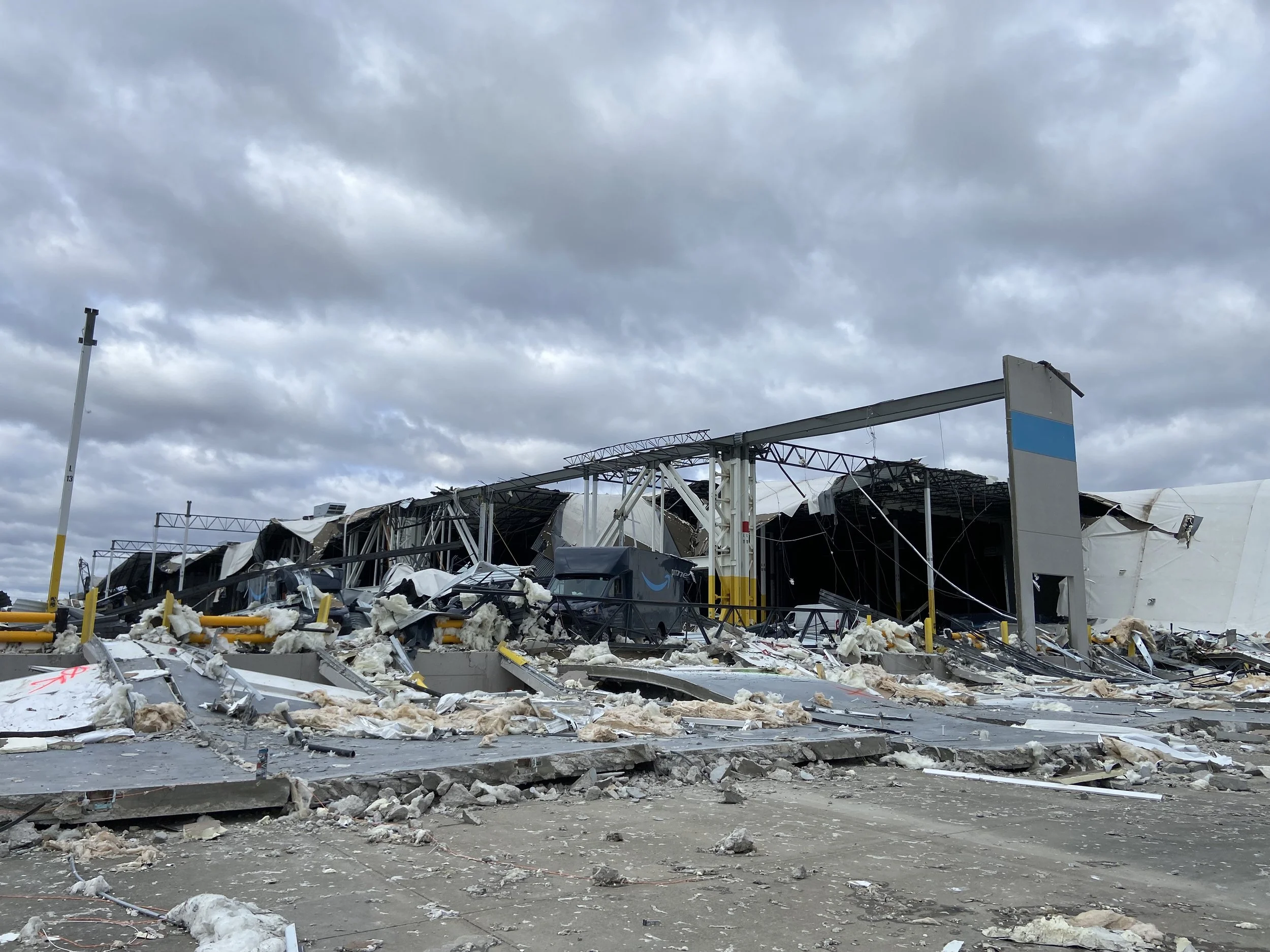
 A survey photo shows the damage to an Amazon warehouse in Edwardsville following an EF3 tornado on Dec. 10, 2021. (Photo provided by the National Weather Service)


State could adopt ‘kin-first’ approach to foster care

By AMALIA HUOT-MARCHAND
Medill Illinois News Bureau
for Capitol News Illinois
amaliahuor-marchand2025@u.northwestern.edu

SPRINGFIELD – Illinois lawmakers could soon make it easier for children in foster care to live with their relatives or other people close to them.

Child welfare experts have long touted the benefits of foster children staying with kin. Advocates say those arrangements offer children more stability, decrease the trauma they experience, improve their mental health and reduce the number of times the child is moved from home to home.

But both state and federal law often made those placements impractical. To get paid to support the children, relatives had to follow the same stringent rules that apply to other foster parents. They go through a rigid home inspection with bedroom size requirements, as well as restrictions on the number of people and gender of individuals who can sleep in the same bedroom. Prospective parents also go through lengthy classroom training. 

In 2023, though, the federal government decided to allow states to use separate standards for relatives of children in foster care than for other foster parents, in an effort to pair more children with relatives.

Now, Illinois lawmakers are moving forward with a plan to do just that, along with making other changes that will encourage the placement of children with relatives. The Illinois Senate unanimously approved the measure, known as the Kinship in Demand, or KIND Act, in the fall. But the House must sign off on the changes by the time it adjourns in early January, otherwise the bill must go through the entire legislative process again to reach the governor’s desk. 

“I think it's really important that we reckon with how unjust our systems have been in foster care,” said state Sen. Mike Simmons, D-Chicago, one of the bill’s 15 co-sponsors in the upper chamber. “It's an excellent step forward in terms of respecting the integrity of the families these kids come from, that includes their immediate family but also their extended kin that love them.”


Illinois’ record

Close to 10,000 children – or more than half of the total number of kids in the care of the Illinois Department of Children and Family Services – live with family members. 

But more than 60% of those families are not eligible for monthly foster care payments, annual clothing vouchers, or foster care support groups according to the ACLU of Illinois.  

“Support for kin, for relatives who have not received the same kind of support that foster parents do, for example – I’m talking about monetary support – I think is a very important component of dealing with the amount of time a child spends in the custody of DCFS. We want to make sure they get back to a home environment as fast as they can, and this is a way to encourage that,” said Illinois Gov. JB Pritzker, a Democrat, in a news conference on Dec. 11. 

Casey Family Programs, the nation’s largest foundation focused on foster care, states that prioritizing relative caregivers decreases sibling separation, reduces the risk of abuse and gives a higher chance of achieving permanency.

Placing foster children with relatives could also help Illinois do a better job in finding permanent homes for children in its care. Illinois’ foster care system ranked in the bottom third of states in 2019 for children placed in permanent homes, according to the U.S. Department of Health and Human Services. Between 2017 and 2021, the number of children who were placed in a permanent home decreased by 7.8%, according to the 2021 Child Welfare Outcomes Report to Congress

KIND Act’s changes

The KIND Act would allow DCFS to pursue additional federal funding in order to apply a kin-first approach. DCFS would use the federal money to put more effort into finding families of foster children, notifying them and improving support services, as well as doing background and identity checks. 

“By promoting kinship care and addressing systemic issues with a long length of time to permanency and insufficient support of foster care, the KIND Act aims to improve safety, stability and the well-being of children in DCFS care,” state Sen. Mattie Hunter, D-Chicago, a primary sponsor of the bill, said during a November Senate Judiciary Committee hearing.

Payments for relatives particularly impact Black children, who are overrepresented in the foster care system. 

In Illinois, as of October, more than 18,000 children were in the DCFS system; more than 8,000 of them were Black. In terms of proportional representation, Black children have a 250% higher chance of being placed in DCFS care, according to the School of Social Work at the University of Illinois Urbana-Champaign. 

The poverty rate for Black Illinoisans is 27.7% compared to 8.5% for white Illinoisians. Preventing these families from accessing government subsidies for foster care adds on additional hardships and repeats the cycle of poverty they face, according to the University of Alabama Institute for Human Rights.

“We know that the vast majority of kids who are coming in are overrepresented, and the KIND Act is removing financial barriers for relatives being able to care for kids,” said Nora Collins-Mandeville, director of systems reform policy at the ACLU of Illinois, in an interview.

“Relatives who are coming forward have considerably less resources than a foster parent would. And so the fact that we're not even, in our current system, paying those relatives the same amount that we pay a stranger to care for a child, it's pretty frustrating,” she said.

Under the KIND Act, there would also be a different criminal background criteria for relatives and foster parents. The federal government allows DCFS to waive “non-safety-related licensing” for relative caregivers on a case-by-case basis. Relatives would be subject to a personal analysis assessing their criminal record and its potential impact on the child. The bill would allow DCFS to consider, for example, the overrepresentation of minorities in the prison system, especially for minor drug felonies. 

The foster care legislation would also require courts to oversee DCFS’ implementation of the kin-first approach. Courts would have a larger role in family-finding efforts like monitoring whether DCFS complies with notifying relatives that a child has been removed from its parents’ custody within 30 days. Plus, courts would be able to expedite emergency placements of children with relatives who are waiting for a custody hearing. 

Contentious history

The bill’s sponsors called the measure historic because of the collaboration between DCFS and the ACLU, which have long fought each other over the state’s care of foster children. In 1988, the ACLU sued DCFS in B.H. v. Johnson. Three years later, both parties entered a consent decree to reform DCFS to provide safer homes, reduce the caseload per employee, protect DCFS funding, allow more supervision and accountability, and improve caseworker training. 

These efforts ran into severe obstacles through the years. 

A two-year budget stalemate between Democrats in the General Assembly and Republican Gov. Bruce Rauner that ended in 2017 had a major impact on DCFS funding. It forced the agency to close many group homes throughout Illinois. This led to children under DCFS care being housed in places not designed to accommodate children in the long-term, including psychiatric hospitals, juvenile detention centers and shelters and even DCFS offices. 

Since then, DCFS struggled to recover from the loss of funds in 2017 and hasn't implemented changes spelled out in the consent decree. 

In light of those shortcomings, in 2018, the court appointed a special master to DCFS in order to ensure significant action was taken and to mitigate tensions between the ACLU and DCFS, 

Pritzker, who defeated Rauner in the 2018 election, campaigned on the promise to reform the system. Since 2019, the DCFS budget nearly doubled from $1.22 billion to $2.03 billion, mostly to hire more staff and caseworkers. Despite these improvements, a Cook County judge continuously held DCFS director Marc Smith in contempt of court in 2022 for failing to find adequate placements for foster care children, some of whom were still residing in psychiatric hospitals. An appellate court later vacated the contempt citations, and Smith stepped down at the end of 2023. He was the 13th DCFS director in 10 years. 

“For a good period of time, there wasn't stability in the agency's leadership at all. We had turnover every year. It wasn't up until the Pritzker administration that we had a director there for multiple years. And so that can be really challenging. You have different priorities for every leader who comes in,” Collins-Mandeville said.

Despite the turnover at the top and the agency’s ongoing court battles, DCFS reduced the number of youths in care from 50,000 in 1995 to 16,000 in 2023. The number, however, has risen in the past year to 18,000. 

“Today marks a day that we had long hoped to see: the ACLU and DCFS are in alignment on a piece of landmark legislation that offers an essential opportunity to reform Illinois’ foster care system,” Collins-Mandeville said in her testimony to the Senate committee. 

 Amalia Huot-Marchand is a graduate student in journalism with Northwestern University’s Medill School of Journalism, Media, Integrated Marketing Communications, and a Fellow in its Medill Illinois News Bureau working in partnership with Capitol News Illinois.

Capitol News Illinois is a nonprofit, nonpartisan news service that distributes state government coverage to hundreds of news outlets statewide. It is funded primarily by the Illinois Press Foundation and the Robert R. McCormick Foundation.
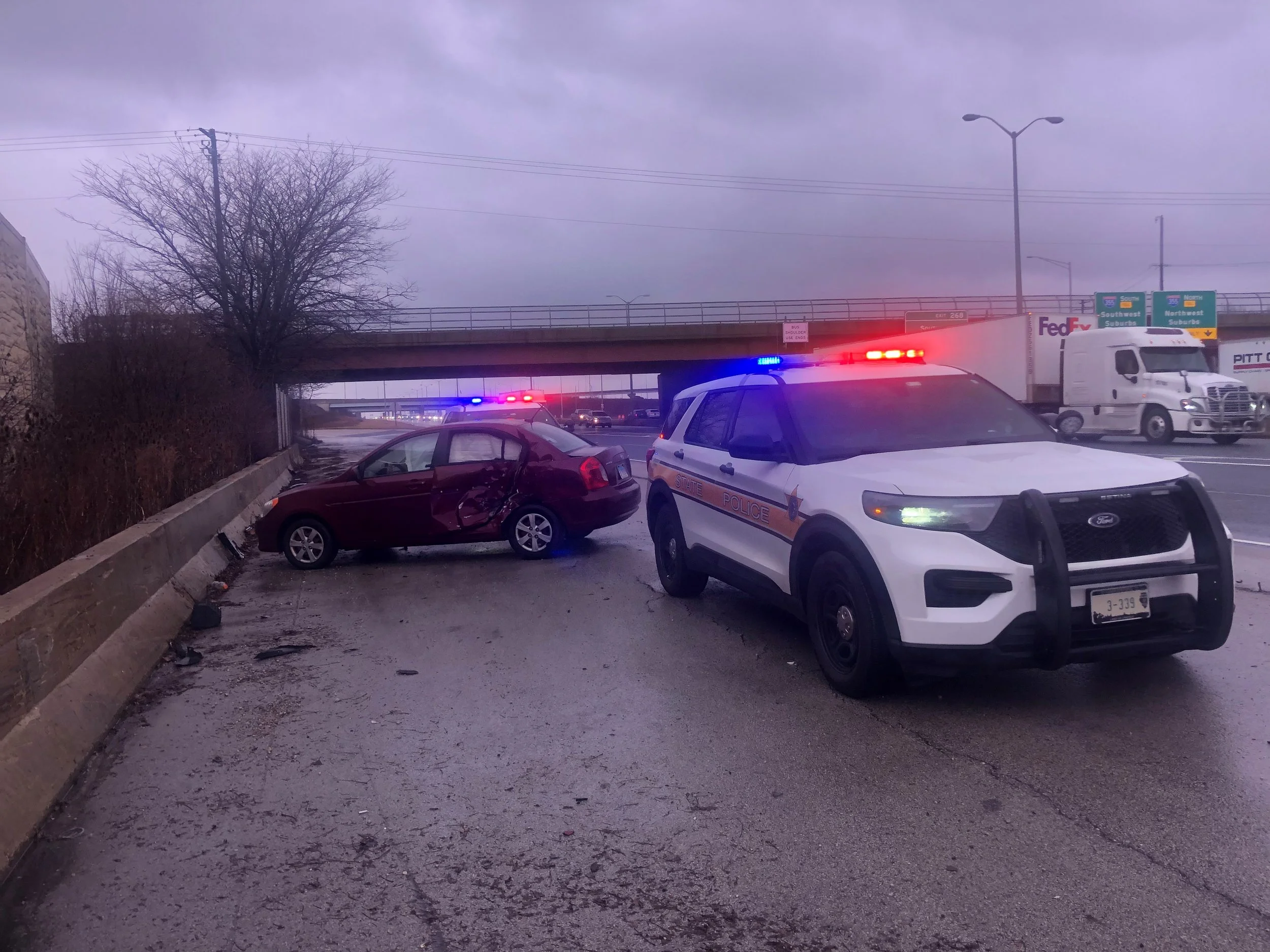

THREE ILLINOIS STATE POLICE SQUAD CARS STRUCK IN TWO DAYS

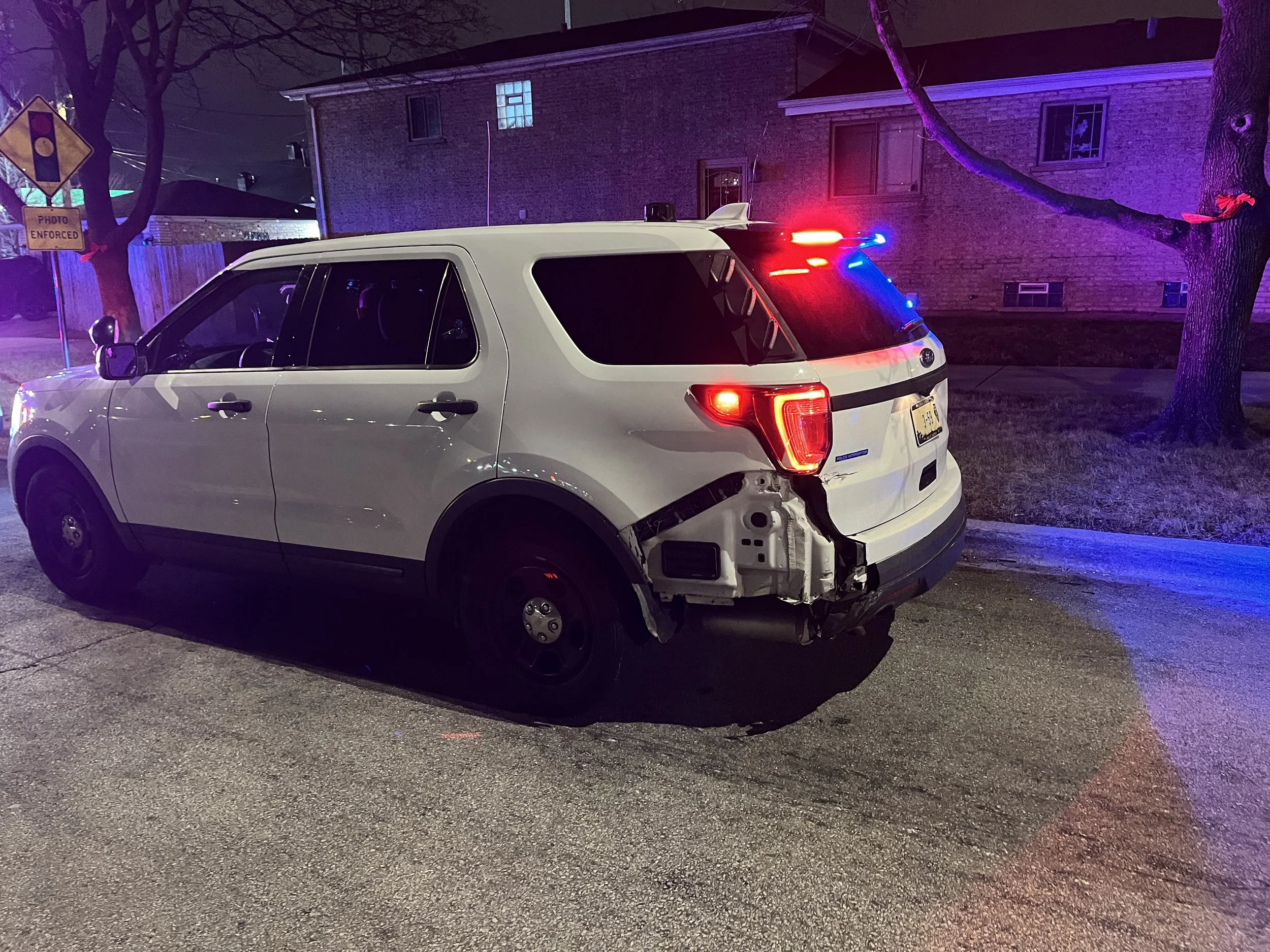
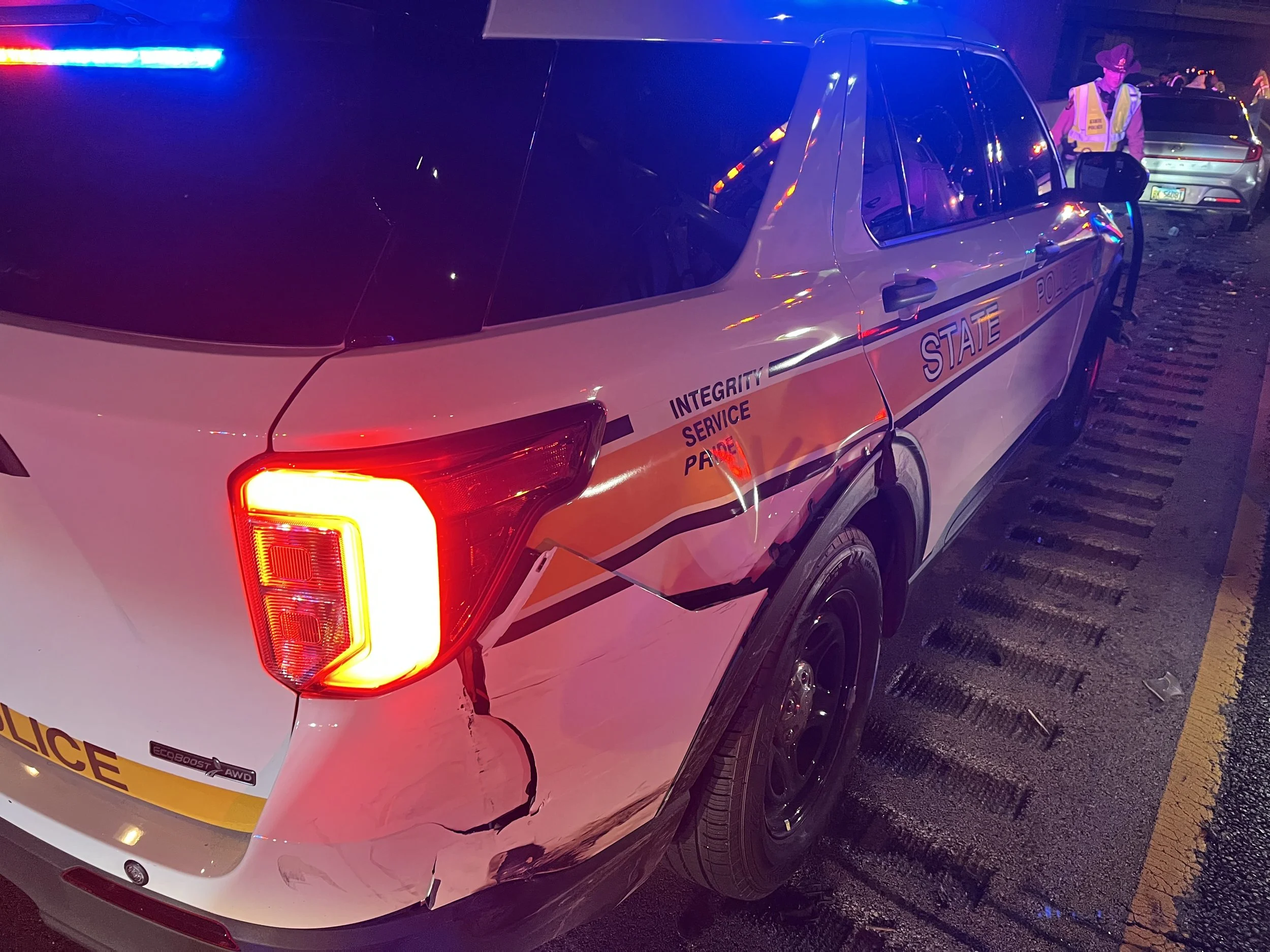
CHICAGO – Illinois State Police (ISP) officials investigated two separate traffic crashes that occurred in DuPage and Cook counties involving ISP troopers who were handling separate vehicle crashes when their squad cars were struck by drivers who failed to move over.

 On December 31, 2024, at approximately 1:57 p.m., an ISP trooper was outside of their squad car handling a crash with their emergency lights activated on Interstate 55 northbound near Woodward Avenue. A Hyundai sedan failed to move over and rear-ended the parked squad car. The parked squad car blocked three troopers on scene from being hit. No injuries were reported. The ISP squad car was towed from the scene due to damage sustained during the crash. The driver of the Hyundai, 23-year-old Alyssa M. Ceballos of Lockport, Illinois, was charged with driving Too Fast for Conditions and a Scott’s Law violation.

 On January 1, 2025, at approximately 3:09 a.m., two ISP troopers were enroute to assist with a previous personal injury crash on I-57 when they came upon a separate crash on I-57 northbound at 107th Street. Both ISP troopers stopped on the left shoulder and partially in the left lane with their emergency lights activated. A Hyundai Sonata approaching the crash scene, struck a black passenger car, then struck both ISP squad cars. One ISP trooper was inside their squad car and one ISP trooper was outside their squad car at the time of the crash. No injuries were sustained by the ISP troopers. The driver of the Hyundai, Kashawn M. Walker, 34, of Matteson, Illinois was transported to an area hospital with injuries. Walker was charged with a Scott’s Law Violation.

 In 2025, ISP has already suffered one Move Over Law-related crash. In 2024, ISP suffered 27 Move Over Law-related crashes with 12 troopers injured and one death. In 2023, ISP had 21 Move Over Law-related crashes with seven troopers injured and suffered 25 crashes in 2022 leaving 13 troopers injured. ISP reminds the public the Move Over Law, also known as “Scott’s Law” in Illinois, requires all drivers to move over when approaching an emergency vehicle or any vehicle with its emergency or hazard lights activated. ​ ​

 A person who violates the Move Over Law faces a fine of no less than $250 and no more than $10,000 for a first offense. If the violation results in injury to another person, the violator’s driver’s license will be suspended for a mandatory period of anywhere between six months and two years. Additional information can be found at the following link: https://isp.maps.arcgis.com/apps/dashboards/340d57cd956c453da2de25af804c268d.


ILLINOIS STATE POLICE HONORS TROOPER CLAY M. CARNS

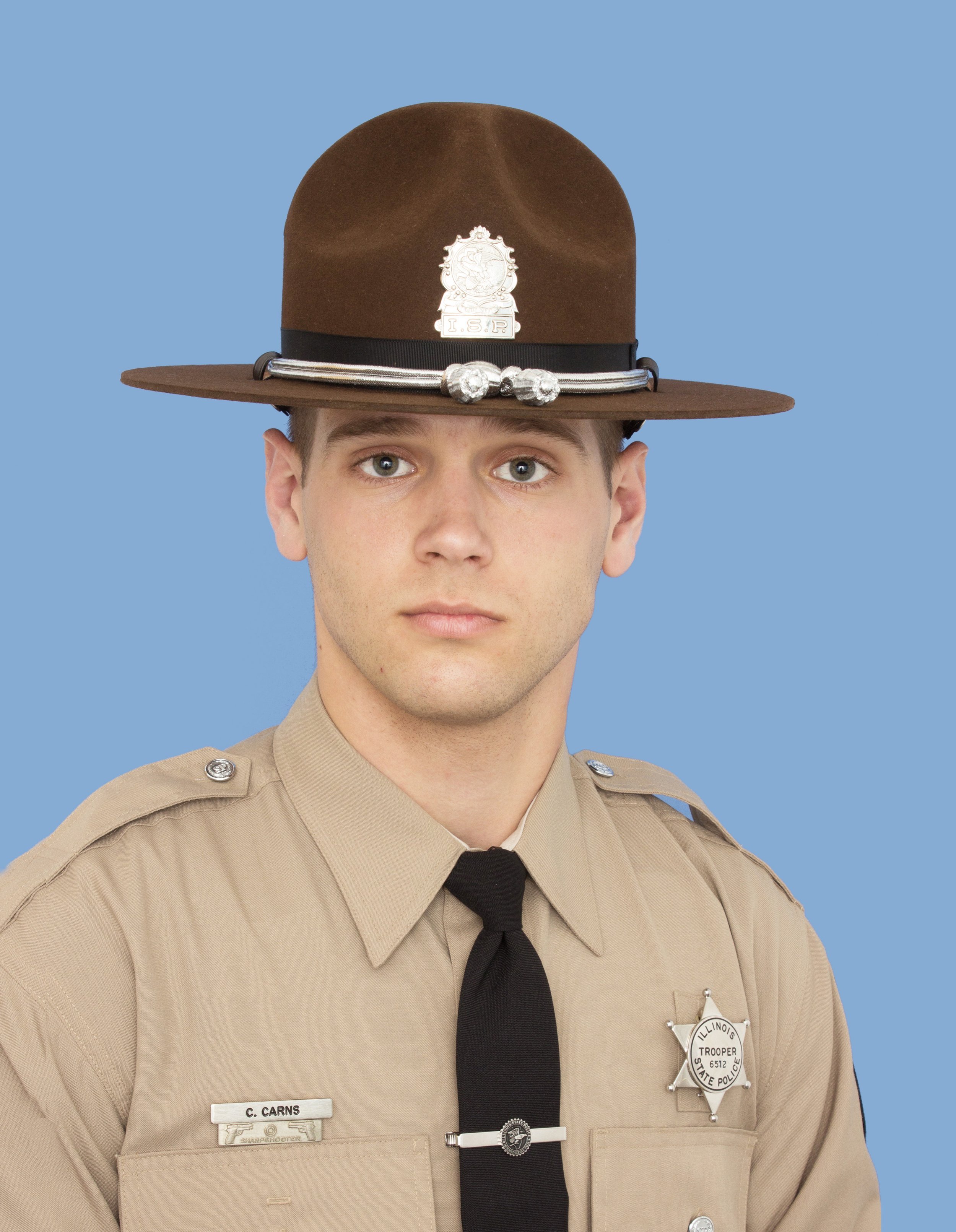
ORLAND PARK – Friday, the Illinois State Police (ISP) joined Trooper Clay M. Carns’ family and friends, along with officers from law enforcement agencies across the country, to honor and pay respects to Trooper Carns, who was killed in the line of duty on December 23, 2024. ​ Trooper Carns was laid to rest today.

“Today, and every day going forward, we honor Illinois State Police Trooper Clay Carns for his sacrifice, and the sacrifice made by his family,” said ISP Director Brendan F. Kelly. ​ “While ISP is hurting as we lay to rest the second trooper killed on Illinois highways in just three months, we will not falter. ​ To honor Trooper Carns means to preserve and uphold that which he stood for – Integrity, Service, and Pride. ​ Trooper Carns will remain in our hearts and in our sacred work of protecting public safety and pursuing justice.” 

Trooper Carns entered the ISP Academy on November 10, 2013 as part of Cadet Class 123, and graduated on May 2, 2014. ​ In 2022, Trooper Carns received the Violent Crime Expressway Ribbon for his work in helping combat gun violence and interstate shootings. ​ He was assigned to Troop 3. ​ Trooper Carns was a passionate public servant who will be remembered for his unparalleled dedication to his city, community, and state. ​

Around 9:42 p.m. on Monday, December 23, 2024, Trooper Carns observed debris in a lane on southbound I-55 just north of Blodgett Road near Channahon. ​ He turned on his emergency lights and pulled over to the right shoulder. ​ Trooper Carns exited his vehicle and was removing debris from the road when he was struck by a Chevrolet Silverado driven by John Fleet. ​ Trooper Carns was taken to St. Joseph Hospital in Joliet, where at approximately 10:45 p.m., he succumbed to his injuries. ​

Trooper Carns was 35 years old and served 11 years as an officer with ISP. ​ He is survived by his wife Meghan, children Gray and Ally, parents Patti and Danny Carns, and siblings Chad Carns, Erica (Carns) Raciak, and Elyssa Carns.

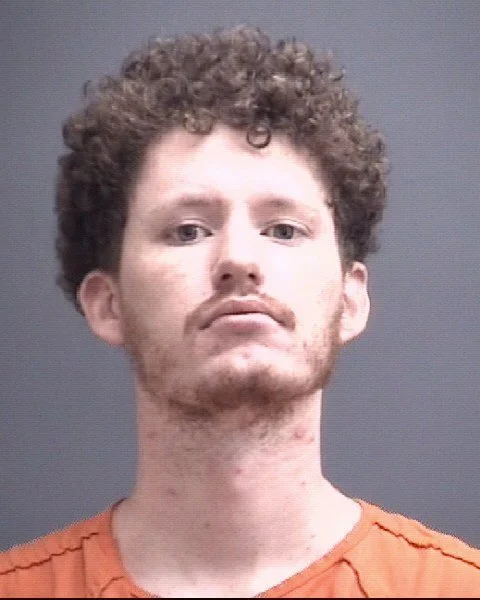
On December 24, 2024, the Will County State’s Attorney’s Office approved a Scott’s Law charge (Class 4 Felony) against Fleet. ​ ISP also issued Fleet multiple Illinois Vehicle Code citations.

In lieu of flowers, donations may be made to the Trooper Clay Carns Memorial fund:


ILLINOIS STATE POLICE K9 DuQ TO GET DONATION OF BODY ARMOR

DUQUOIN – Illinois State Police K9 DuQ will receive a bullet and stab protective vest thanks to a charitable donation from non-profit organization Vested Interest in K9s, Inc. ​ K9 DuQ’s vest was sponsored by Vested Interest in K9s, Inc. and will be embroidered with the sentiment “Born to Love-Trained to Serve-Loyal Always”. ​ Delivery is expected within ten weeks.

Vested Interest in K9s, Inc., established in 2009, is a 501(c)(3) charity whose mission is to provide bullet and stab protective vests and other assistance to dogs of law enforcement and related agencies throughout the United States. This potentially lifesaving body armor for four-legged K9 officers is U.S. made, custom fitted, and NIJ certified. ​ Since its inception, Vested Interest in K9s, Inc. has provided over 5,878 vests to K9s in all 50 states at a value of $6.9 million, made possible by both private and corporate donations. ​

The program is open to U.S. dogs that are at least 20 months old and actively employed and certified with law enforcement or related agencies. ​ K9s with expired vests are also eligible to participate. ​ There are an estimated 30,000 law enforcement K9s throughout the United States.

Vested Interest in K9s, Inc. accepts tax-deductible contributions in any amount, while a single donation of $1,050 will sponsor one vest. ​ Each vest has a value of $1,800.00, weighs an average of 4-5 lb., and comes with a five-year warranty. ​ For more information, or to learn about volunteer opportunities, please call 508-824-6978. ​ Vested Interest in K9s, Inc. provides information, lists events, and accepts donations at www.vik9s.org, or you may mail your contribution to P.O. Box 9, East Taunton, MA 02718.

Snow, ice and subzero temperatures to impact travel this weekend

SPRINGFIELD – The Illinois Department of Transportation and Illinois State Police are advising the public that a significant winter storm is anticipated to create dangerous travel conditions throughout much of the state, with several inches of snow, heavy icing, high winds and severe cold this weekend. Slick and slippery conditions, reduced visibility, subzero wind chills and much longer travel times are expected.

“The team at IDOT is prepared for the first major snow-and-ice event of the season, but we ask for your cooperation as well,” said Lora Rensing, IDOT’s chief engineer and director of highways project implementation. “The safest option during severe winter weather always is to avoid unnecessary trips and stay home to minimize risk. If you must travel, please monitor the latest forecast and consider adjusting your plans, if necessary. Conditions at times could become treacherous.”

The National Weather Service has issued a winter storm warning for much of Illinois from late Saturday night through Monday morning. The heaviest snow is expected along Interstates 70 and 72, with 8 to 12 inches anticipated in Quincy, Springfield, Champaign and Effingham. Lower amounts are expected to the south and north. The Chicago area could see up to 4 inches. Periods of sleet and freezing rain south of I-64 could result in areas of heavy ice accumulations that damage trees and power lines.

Statewide, IDOT has more than 1,800 trucks and equipment available to treat roads, spread salt, plow snow and respond to weather emergencies as needed. Today and into Saturday, IDOT is pretreating areas prone to icing, though wind gusts as high as 35 mph will cause blowing and drifting snow into the weekend, challenging visibility and snow –and ice operations. Bitter cold temperatures also are forecast for the northern part of the state, with wind chills below zero.

Please drive according to conditions, slowing down, increasing braking distances and allowing more space between you and other vehicles. Check current road conditions 24/7 at GettingAroundIllinois.com. You also can follow IDOT on Facebook and X.

“Snow, ice and cold temperatures can make driving conditions more dangerous,” said ISP Division of Patrol Col. Chris Owen. “If you have to drive, slow down and give yourself more space between the vehicles around you. Even if the roads don’t look bad, looks can be deceiving, so give yourself extra time.”

Other tips:

  • Check the forecast and make sure someone is aware of your travel route and schedule.

  • Do not crowd the plows! Give them plenty of room and do not attempt to pass too closely. Conditions in front of the plow are going to be worse than behind it.

  • Fill up your tank or fully charge your vehicle and pack winter weather essentials, such as a cellphone charger, traction materials, warm clothes, blankets, food, water, first-aid kit, washer fluid and ice scraper.

  • Use extra caution in areas susceptible to icing, including ramps, bridges, curves and shaded areas. Watch for black ice. A road may appear clear but can be extremely slippery.

  • Give them distance. Obey the Move Over law by slowing down and changing lanes when approaching ANY stopped vehicle.

  • Always wear a seat belt. It’s the law and your best protection in the event of a crash.

  • Drop it and drive. Put down the mobile devices. This, too, is the law.

  • If you are involved in a crash, remain inside your vehicle. Exiting your vehicle near a busy road can have fatal consequences.

Wabash County Board Of Commissioners Agenda

January 6, 2025 at 4:30pm

AGENDA

1) Call to order.

2) Approve minutes of previous meeting:

3) Commissioner’s reports:

4) Officer’s reports:

5) Old Business:

a. HVAC update for the Courthouse.

6) New Business:

a. Resolutions No. 2025-01 and 2025-02 authorizing the County Board to execute deeds for properties located at 17885 Highway 1 and 12455 N 1790 Blvd in Patton.

b. Resolution No. 2025-03 authorizing the County Board to cancel a certificate of purchase on a mobile home at 730 W 6th Street in Mt. Carmel.

7) Executive Session:

8) Correspondence:

9) Approval for payment of claims presented:

10) Adjournment.

Wabash County Board Of Health Agenda

Wabash County Health Department

130 W. 7th St.

Mt. Carmel, IL 62863

The Wabash County Board of Health will meet at the Wabash County Health Department Conference Room on Wednesday January 8,2025

The agenda will be as follows:

1. Call to Order 12:00 pm

2. Approval of previous Meeting Minutes

3. Claims Review/ Approval

4. Financial Report Review/Approval

5. Building Projects Update

6. Division Reports

7. Adjournment

Evansville man arrested on OWI charge

On January 2, 2025, at 10:34 a.m. Gibson County Deputy Michael Owens was dispatched to the Love’s Travel Center located at 901 E 1250 S near Haubstadt to investigate a Black Toyota Camry that refused to move from the fuel islands.  Upon arriving Deputy Michael Owens located the vehicle parked on the north side of the property.  At that point Deputy Owens located 24 year old Elijah Sallee, the driver of the vehicle and began speaking with him.  While speaking with him Deputy Owens detected clues that Mr. Sallee was under the influence.  At that point he began a roadside DUI investigation.  At the conclusion of the investigation Mr. Sallee was taken into custody and transported to the Gibson County Jail where he was charged with Operating a Vehicle While Intoxicated and Possession of a Controlled Substance.
 
Assisting Deputy Owens in his investigation was Deputy Bryan Small. 
 
All criminal defendants are to be presumed innocent until, and unless proven guilty beyond a reasonable doubt in a court of law.